Duloxetine Medication Explained
Introduction to SNRIs
Meet the SNRIs
Beyond SSRIs, there's another common class of antidepressants called SNRIs, which stands for Serotonin-Norepinephrine Reuptake Inhibitors. As the name suggests, they work on two important chemical messengers in the brain: serotonin and norepinephrine.
Think of these messengers, or neurotransmitters, as mood regulators. Serotonin is often linked to feelings of well-being and happiness, while norepinephrine is involved in energy, alertness, and concentration. When the levels of these chemicals are out of balance, it can contribute to conditions like depression and anxiety.
SNRIs are a type of antidepressant that increases the levels of both serotonin and norepinephrine in the brain.
How They Work
Your brain cells, called neurons, communicate by sending these chemical messengers across a tiny gap called a synapse. After the message is delivered, the sending neuron usually reabsorbs the leftover neurotransmitters in a process called reuptake.
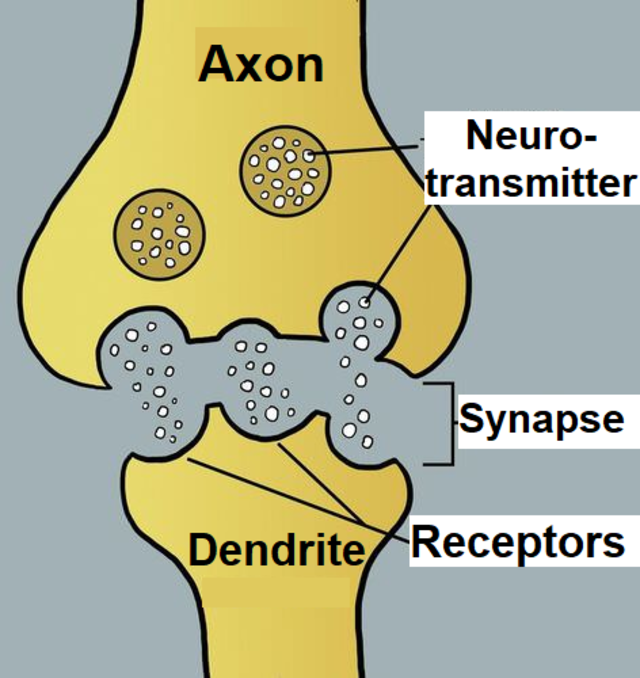
SNRIs block this reuptake process for both serotonin and norepinephrine. By doing so, they leave more of these messengers available in the synapse. This boosts the signal between neurons, which can help improve mood, increase energy, and reduce feelings of anxiety.
Imagine two people trying to talk across a wide canyon. Their voices (the neurotransmitters) are too quiet to be heard clearly. An SNRI acts like a megaphone, amplifying their voices so the message comes through loud and clear. This improved communication can help alleviate symptoms of depression and other disorders.
SNRIs vs. SSRIs
The main difference between SNRIs and SSRIs is right in their names. SSRIs are selective, meaning they primarily target the reuptake of serotonin only. SNRIs have a dual action, affecting both serotonin and norepinephrine.
| Feature | SSRIs (Selective Serotonin Reuptake Inhibitors) | SNRIs (Serotonin-Norepinephrine Reuptake Inhibitors) |
|---|---|---|
| Target | Primarily Serotonin | Serotonin and Norepinephrine |
| Action | Single | Dual |
| Effect | Elevates serotonin levels | Elevates both serotonin and norepinephrine levels |
Why target norepinephrine too? Because of its role in alertness and energy, the dual action of SNRIs may be particularly helpful for people whose depression includes symptoms like fatigue and low motivation. This broader mechanism is also what makes SNRIs effective for treating certain types of chronic pain.
Common Uses
Thanks to their dual-action mechanism, SNRIs are versatile and prescribed for several conditions beyond major depressive disorder. These include:
- Anxiety Disorders: Such as generalized anxiety disorder (GAD), social anxiety disorder, and panic disorder.
- Chronic Pain: SNRIs are often used to treat nerve pain (like diabetic neuropathy) and conditions like fibromyalgia and chronic musculoskeletal pain. They can help dampen pain signals in the nervous system.
- Other Conditions: They may also be prescribed for obsessive-compulsive disorder (OCD) and post-traumatic stress disorder (PTSD).
The choice between an SNRI, an SSRI, or another type of medication depends on a person's specific symptoms, medical history, and how they respond to treatment. Now, let's review what we've learned.
What is the primary mechanism of action for SNRI medications?
The 'dual action' of SNRIs refers to their effect on which two neurotransmitters?