Ductless Mini Split Air Conditioners Explained
Introduction to Ductless Split Systems
Cooling Without the Clutter
Traditional air conditioning relies on a network of ducts to move cool air through a building. But what if you don't have ducts, or don't want to install them? That's where ductless split systems come in. They offer a flexible and efficient way to control the temperature in specific spaces.
These systems, also known as mini-splits, consist of two main parts: an outdoor unit and an indoor unit. Instead of bulky ductwork, they are connected by a small conduit that runs through the wall. This design allows for targeted cooling and heating, giving you more control over your environment.
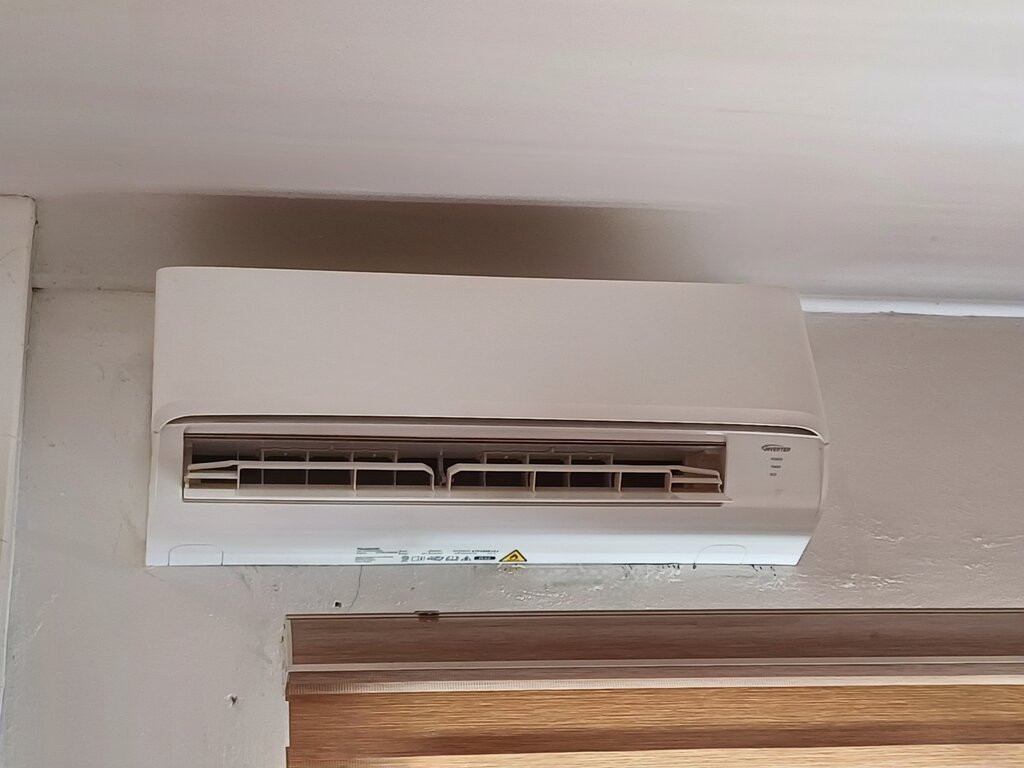
How It Works
The magic of a ductless system lies in its two-part design and the connection between them.
- The Outdoor Unit: This is the powerhouse of the system. It houses the compressor, which pumps refrigerant, and the condenser, which releases heat absorbed from inside your home. It's the part that does the heavy lifting.
- The Indoor Unit: This is the part you see inside. It contains the evaporator coil and a fan. The fan blows air over the cold evaporator coil, cooling the room. A single outdoor unit can often support multiple indoor units.
- The Conduit: This is the lifeline connecting the two main components. It's a small bundle of tubes and wires that contains the refrigerant lines, a power cable, and a condensate drain line to remove moisture.
In cooling mode, the system absorbs heat from the indoor air and transfers it outside. Many ductless systems are also heat pumps, meaning they can reverse this process in the winter, absorbing heat from the outside air and bringing it inside.
Ducts or No Ducts?
The primary difference between ductless and traditional central HVAC is the delivery method. Central systems push conditioned air through a network of ducts hidden in walls, ceilings, and floors. Ductless systems deliver it directly into a room or zone.
| Feature | Traditional Central HVAC | Ductless Split System |
|---|---|---|
| Air Delivery | Through a network of ducts | Directly into the room |
| Installation | Invasive, requires ductwork | Minimally invasive, needs a small hole |
| Zoning | Difficult, requires complex dampers | Built-in, each indoor unit is a zone |
| Energy Efficiency | Prone to leaks and energy loss in ducts | More efficient, no duct losses |
Ductless systems offer some clear advantages. Since there are no ducts, you don't lose energy from leaks, which can account for more than 30% of energy consumption for space conditioning. This makes them highly efficient.
Installation is also much simpler, especially in buildings without existing ductwork, like older homes, apartments, or new additions. Instead of major construction, it only requires a small three-inch hole in the wall for the conduit.
Perhaps the biggest benefit is zoning. With multiple indoor units connected to a single outdoor unit, you can set different temperatures for different rooms. This means you don't have to waste energy cooling an empty guest room just to keep your bedroom comfortable.
Zoning allows you to cool or heat only the rooms you're using, saving energy and customizing comfort.
However, there are downsides. The upfront cost of a ductless system can be higher than a traditional system, especially if you need multiple indoor units. Some people also object to the appearance of the indoor units, which are mounted visibly on a wall or ceiling, unlike the discreet vents of a central system.
Where They're Used
Ductless split systems are incredibly versatile. In homes, they're perfect for additions, sunrooms, or for supplementing an existing system in a room that's always too hot or cold. They're also a great solution for entire homes, especially those built without ductwork.
In commercial settings, you'll find them in server rooms, small offices, and retail shops where customized climate control is needed. Their flexibility makes them ideal for retrofitting older buildings where installing a full duct system would be impractical or architecturally damaging.
Ductless systems provide a powerful alternative to traditional HVAC, offering efficiency and control without the need for extensive ductwork.