Dual-Income Couple New Baby Tax Strategies
Tax Basics
How Taxes Work in the U.S.
The U.S. federal income tax system is progressive. This means that as your income increases, the rate you pay on that income also increases. It's not a flat tax where everyone pays the same percentage.
This system works using tax brackets. A tax bracket is a range of income taxed at a specific rate. A common mistake is thinking that if you're in the 22% bracket, all your income is taxed at 22%. That's not how it works.
You only pay a specific rate on the portion of your income that falls within each bracket. This is called a marginal tax rate. Everyone pays the same rate on their first dollars of income, regardless of how much they earn in total.
| Rate | Taxable Income (Single Filer, 2023) |
|---|---|
| 10% | $0 to $11,000 |
| 12% | $11,001 to $44,725 |
| 22% | $44,726 to $95,375 |
Let's look at an example. Imagine your taxable income is $50,000. Here’s how you'd calculate your tax:
- The first $11,000 is taxed at 10%:
- The next chunk, from $11,001 to $44,725 (which is $33,724), is taxed at 12%:
- The remaining amount, from $44,726 to $50,000 (which is $5,274), is taxed at 22%:
Your total tax would be the sum of these amounts: . Even though you're in the 22% bracket, your effective tax rate (total tax divided by income) is only about 12.6%.
Lowering Your Tax Bill
Notice we used the term "taxable income" above. This isn't the same as your total income. Your taxable income is the amount you actually pay tax on after accounting for deductions. The goal is to make this number as low as legally possible.
The simplest way to reduce your taxable income is with the standard deduction. This is a fixed dollar amount that you can subtract from your income. You don't need to track expenses or save receipts to claim it. The government sets this amount, and it changes based on your filing status, age, and other factors.
Think of the standard deduction as a tax-free portion of your income.
Besides deductions, you may also encounter tax credits. While both reduce your tax bill, they work differently.
Tax credits and deductions both aim to reduce your tax liability, but they do so in different ways:
A deduction reduces your taxable income. Its value depends on your marginal tax rate. For someone in the 22% bracket, a $1,000 deduction saves them $220 in tax.
A credit directly reduces your final tax bill, dollar for dollar. A $1,000 tax credit saves you $1,000 in tax. This makes credits much more powerful than deductions.
Your Filing Status Matters
Your filing status is a category that describes your marital and family situation. It's a key factor in determining your standard deduction amount and your tax brackets. The most common statuses are:
- Single: For unmarried individuals.
- Married Filing Jointly: For married couples who file one tax return together.
- Married Filing Separately: For married couples who each file their own tax return.
- Head of Household: For unmarried individuals who pay for more than half of the household expenses for a qualifying person, like a child or relative.
Choosing the right filing status is important because it can significantly change your tax liability. For example, the standard deduction for someone Married Filing Jointly is exactly double that of a Single filer. Similarly, the income thresholds for tax brackets for joint filers are typically double those for single filers.
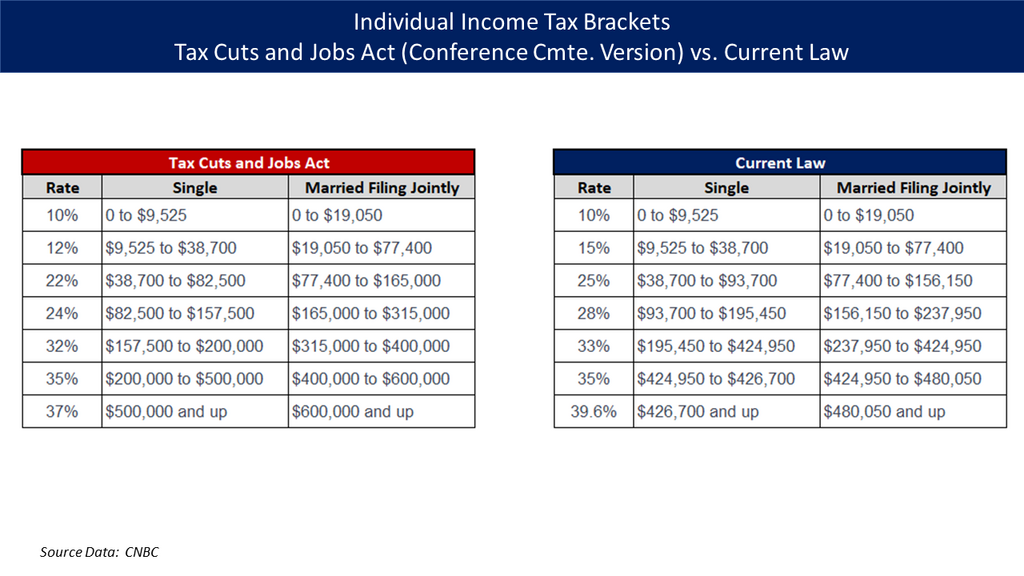
For dual-income married couples, this structure generally works well. By combining incomes and filing jointly, their tax liability is often similar to what it would be if they were two single individuals. However, most couples choose to file jointly because it usually results in a lower tax bill than filing separately and provides access to certain tax credits and deductions that aren't available to separate filers.
Ready to check your understanding? Let's see what you've learned.
What is the defining characteristic of a progressive tax system, like the one in the U.S.?
True or False: If a person's income puts them in the 22% tax bracket, all of their taxable income is taxed at a rate of 22%.
Understanding these core concepts—progressive taxes, deductions vs. credits, and filing status—is the first step toward managing your taxes effectively.