Dry Needling Fundamentals
Introduction to Dry Needling
What Is Dry Needling?
Dry needling is a treatment technique used by physical therapists and other trained practitioners to relieve muscle pain and improve movement. It involves inserting a very thin, solid needle through the skin directly into a painful knot in a muscle. Unlike the needles used for injections, these needles don't inject any fluid, which is why the technique is called "dry."
The main target of dry needling is something called a myofascial trigger point.
Myofascial Trigger Point
noun
A hyperirritable spot within a taut band of skeletal muscle that is painful on compression and can give rise to characteristic referred pain, tenderness, and motor dysfunction.
You probably know these spots by a more common name: muscle knots. These are tight, sensitive areas that can form in muscles after an injury or from overuse. They can be a source of chronic pain and stiffness.
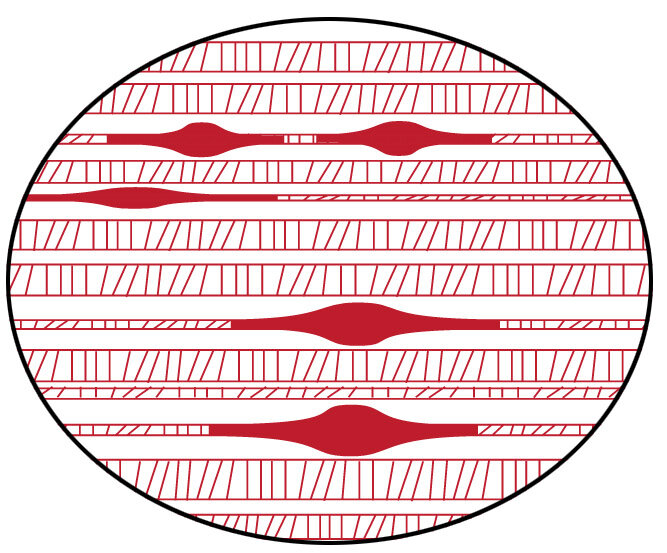
The goal of inserting a needle into one of these trigger points is to get the muscle to release. This can help reduce pain, ease muscle tension, and restore normal function.
Dry needling is a contemporary and evidence-based intervention for the treatment of musculoskeletal pain and movement impairments.
Not the Same as Acupuncture
Because both practices use thin needles, dry needling is often confused with acupuncture. However, they are based on entirely different principles.
Acupuncture is a key component of traditional Chinese medicine. It is based on the concept of balancing the flow of energy, or qi, through pathways in the body called meridians. Needles are placed at specific acupuncture points along these meridians to restore a healthy energy flow.
Dry needling, on the other hand, is a modern, Western medical technique. Its development is more recent, emerging from the work of physicians in the 20th century who were studying trigger points. The practice is grounded in anatomy and neurophysiology. Practitioners choose where to place needles based on their understanding of the musculoskeletal system, not on energy pathways.
| Feature | Dry Needling | Acupuncture |
|---|---|---|
| Philosophy | Western neuroanatomy and modern science | Traditional Chinese Medicine (TCM) |
| Goal | Release trigger points, relieve muscle pain | Balance energy flow (qi) in the body |
| Needle Placement | Into trigger points, tendons, or near nerves | Along meridian lines at specific points |
So while the tool is the same, the rationale behind where the needles go and why is completely different.
How It Works
When a needle is inserted into a trigger point, it can provoke a brief, involuntary muscle contraction called a local twitch response. This twitch is a spinal cord reflex, and it’s often seen as a sign that the needle has hit the right spot.
This response is thought to be a key part of how dry needling works. The twitch can help break the cycle of pain and tension by:
- Deactivating the trigger point: It helps the knotted muscle fibers relax.
- Improving blood flow: It brings more oxygen and nutrients to the area, which helps with healing.
- Releasing natural painkillers: The needle insertion may stimulate nerve fibers that signal the brain to release endorphins, the body's own pain-relieving chemicals.
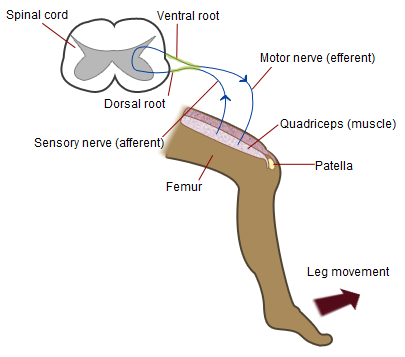
Essentially, the needle creates a tiny lesion that jump-starts the body’s natural healing process, resetting the muscle tissue and calming down irritated nerves.
What It's Used For
Dry needling is used to treat a variety of musculoskeletal conditions. It's often applied when muscle pain is a primary symptom.
Some common indications include:
- Myofascial Pain Syndrome: A chronic condition characterized by persistent pain from trigger points.
- Tendinopathies: Pain and dysfunction in tendons, such as tennis elbow or Achilles tendinitis.
- Headaches: Especially tension-type headaches that originate from tight neck and shoulder muscles.
- Low Back and Neck Pain: Often caused by muscle strain or dysfunction.
- Joint Pain: It can help relieve pain associated with conditions like osteoarthritis by treating the tight muscles surrounding the affected joint.
It's important to remember that dry needling is rarely a standalone treatment. A physical therapist will typically use it as part of a broader treatment plan that includes other therapies.
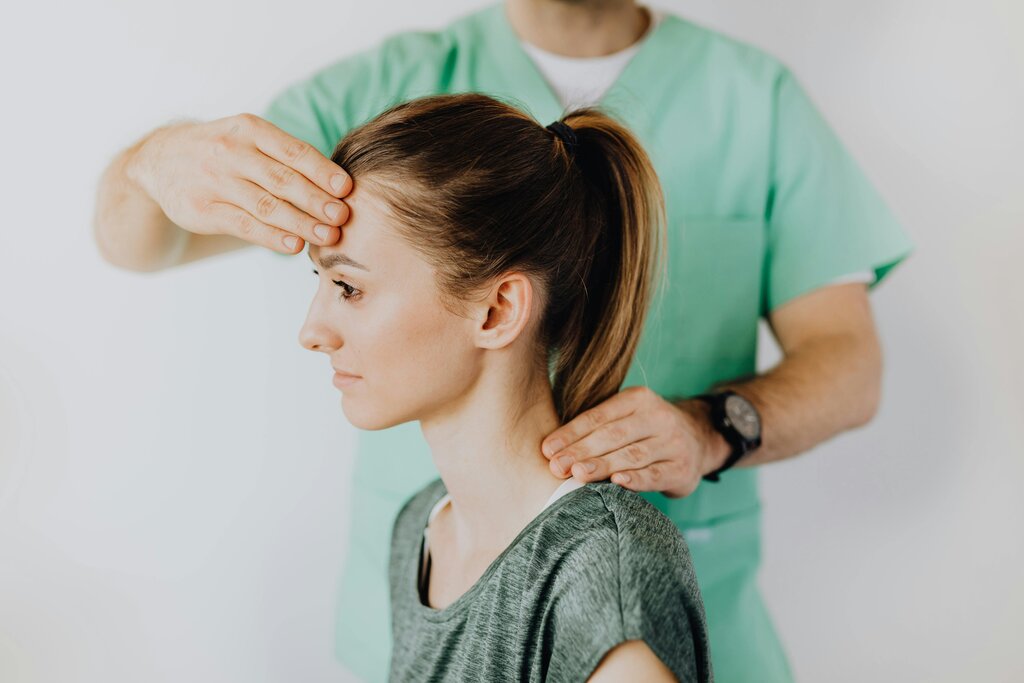
For example, after a dry needling session helps to release a trigger point and reduce pain, it becomes easier for the patient to perform therapeutic exercises. The overall plan might include stretching, strengthening exercises, and education on posture and movement to prevent the problem from returning. This integrated approach helps ensure a more complete and lasting recovery.
What is the primary target of a dry needling treatment?
Dry needling and acupuncture both use thin needles, but they are based on different principles. What is the fundamental principle behind dry needling?