Drumming Fundamentals for Absolute Beginners
Drum Set Basics
Meet the Kit
A drum set isn't a single instrument. It's a collection of drums, cymbals, and other percussion instruments arranged to be played by one person. Think of yourself as the conductor of a rhythm orchestra. Each piece has a unique voice, and your job is to bring them together to create a cohesive beat.
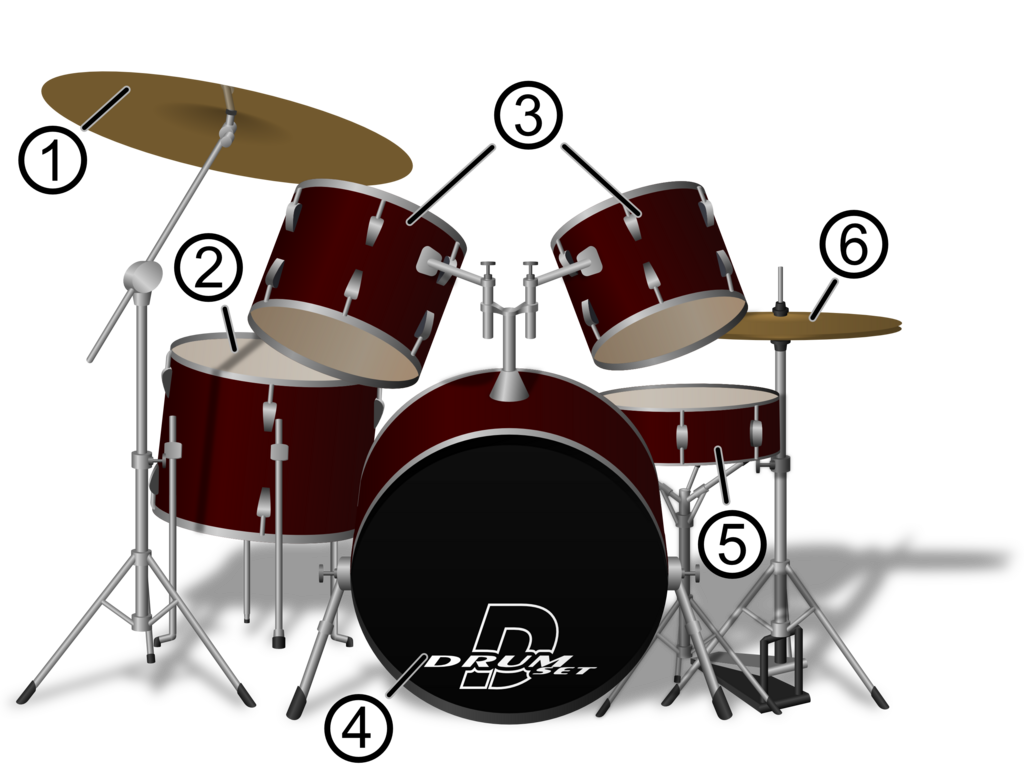
The setup you see above is a common configuration, often called a five-piece kit (three toms, a snare, and a bass drum). While setups can vary wildly between drummers, understanding these core components is the first step for everyone.
The Core Components
Let's break down the essential parts of the kit. Each one has a specific role in creating the grooves and fills that drive the music.
snare drum
noun
A shallow drum with a set of metal wires (snares) stretched across the bottom head, creating a sharp, buzzing sound when struck.
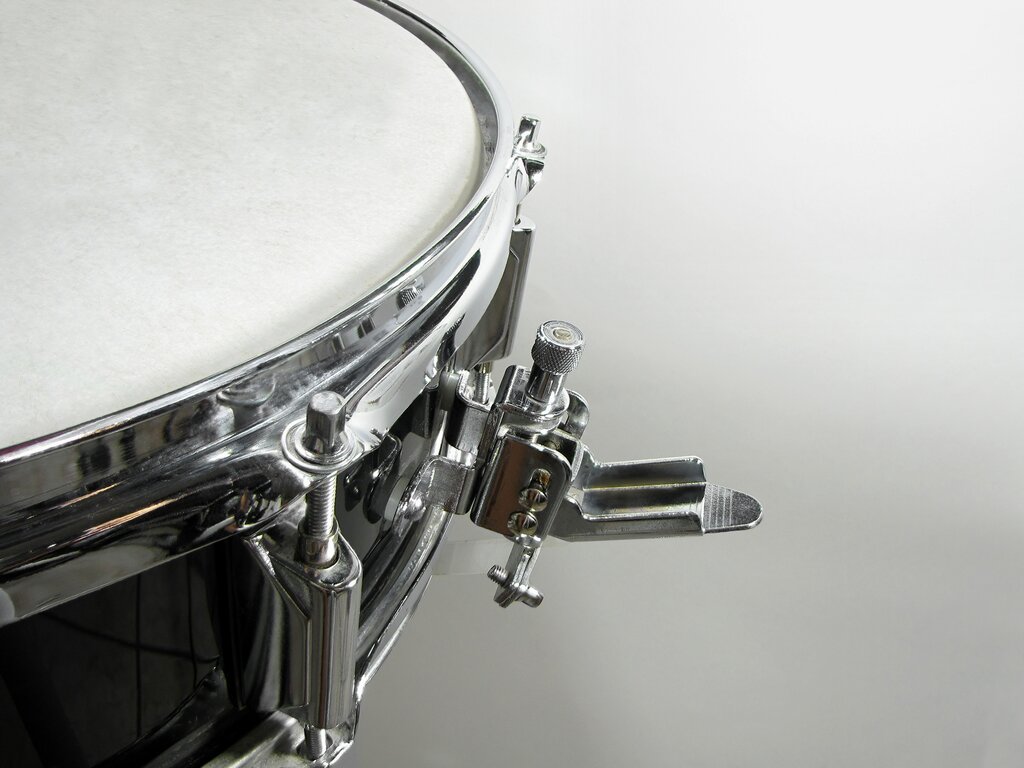
The snare is the heart of most drum beats. It provides the sharp, cracking backbeat that you hear in rock, pop, and funk. A lever on the side of the drum, called a strainer, allows you to engage or disengage the snares. With the snares off, the drum has a higher, more open tone similar to a tom.
Next is the bass drum, also known as the kick drum. This is the largest drum in the set, and it produces the lowest-pitched tone. It sits on the floor and is played with a foot pedal, providing the deep pulse that often lands on beats one and three. Together, the kick and snare form the foundation of the rhythm.
If the snare is the heartbeat, the bass drum is the pulse.
The hi-hat consists of two cymbals mounted on a stand with a pedal at the bottom. The pedal allows you to bring the cymbals together or apart. This versatility gives you a range of sounds. You can strike it with sticks when it's closed for a crisp "chick" sound, play it open for a sizzling "wash," or press the pedal for a sharp "chup." It's the primary timekeeper.
The toms, or tom-toms, add melodic color to your playing. They are typically tuned to different pitches, from high to low. Most kits have two mounted toms (or rack toms) above the bass drum and a larger floor tom standing on its own legs to the side. Drummers use toms for fills—short rhythmic phrases that transition between different sections of a song.
Finally, we have the cymbals. Besides the hi-hat, the two most common are the ride cymbal and the crash cymbal. The ride is a large cymbal used for playing steady rhythmic patterns, similar to the hi-hat but with a more open, shimmering tone. The crash is smaller and louder, used for accents at key moments, like the beginning of a chorus.
Setting Up for Success
How you arrange your kit is crucial. A proper setup makes playing comfortable, efficient, and helps prevent injury. The goal is to position everything within easy reach so you can move smoothly between instruments without twisting or straining.
Everything starts with your seat, called a drum throne. Adjust its height so your thighs are slightly angled downwards when your feet are flat on the pedals. This gives you balance and power.
Next, position your bass drum pedal where your right foot naturally rests, and your hi-hat pedal where your left foot rests. Place the snare drum between your legs, angling it slightly towards you for a comfortable wrist angle. These three pieces—throne, snare, and pedals—form your core setup.
Once your core is set, bring in the toms and cymbals. Place them along the natural arc of your arms. You shouldn't have to fully extend your arm or lean over to hit anything. Keep everything low and angled slightly towards you. This minimizes effort and maximizes speed.
Your setup should fit you, not the other way around. Don't be afraid to experiment and adjust things until it feels completely natural.
Keeping Your Kit Happy
Basic maintenance will keep your drums sounding great and lasting for years. The most important parts to maintain are the drumheads—the surfaces you strike. Over time, they get worn out and lose their tone. How often you change them depends on how much you play, but if you notice dents or the sound becomes dull, it's time for a change.
Wipe down your drums and cymbals with a dry microfiber cloth after playing to remove fingerprints and dust. This is especially important for cymbals, as oils from your hands can cause tarnishing. You can use a dedicated cymbal cleaner occasionally, but don't overdo it, as it can remove protective coatings and alter the sound.
Finally, check your hardware. Make sure screws on your pedals and stands are tight. A little lubrication on the moving parts of your pedals can keep them smooth and silent. A well-maintained kit is a joy to play.
Ready to test your knowledge on the parts of the drum set?
Which component of the drum set is considered the "heart" of the beat and provides the sharp backbeat in most popular music?
A drummer uses short, rhythmic, melodic phrases to transition between different sections of a song. What are these phrases called and what part of the kit are they most often played on?
Understanding the components and how to set them up is the foundation of good drumming. Now you're ready to pick up some sticks and start making noise.