Drumming Fundamentals
Drum Kit Components
The Core Pieces
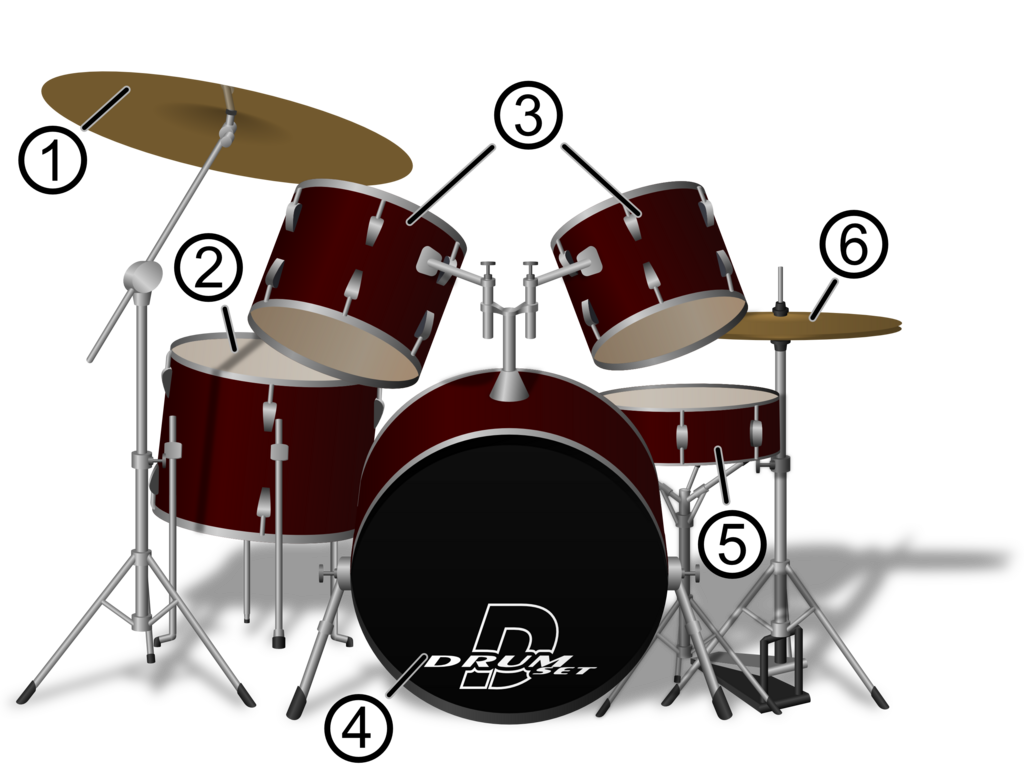
A drum kit, or drum set, is a collection of drums, cymbals, and other percussion instruments arranged for a single player. At its heart, the kit is divided into two families of instruments: the drums themselves and the metallic cymbals that add shimmer and punctuation.
Let's start with the drums. These are the instruments that create sound when a stretched membrane, or 'drumhead,' is struck.
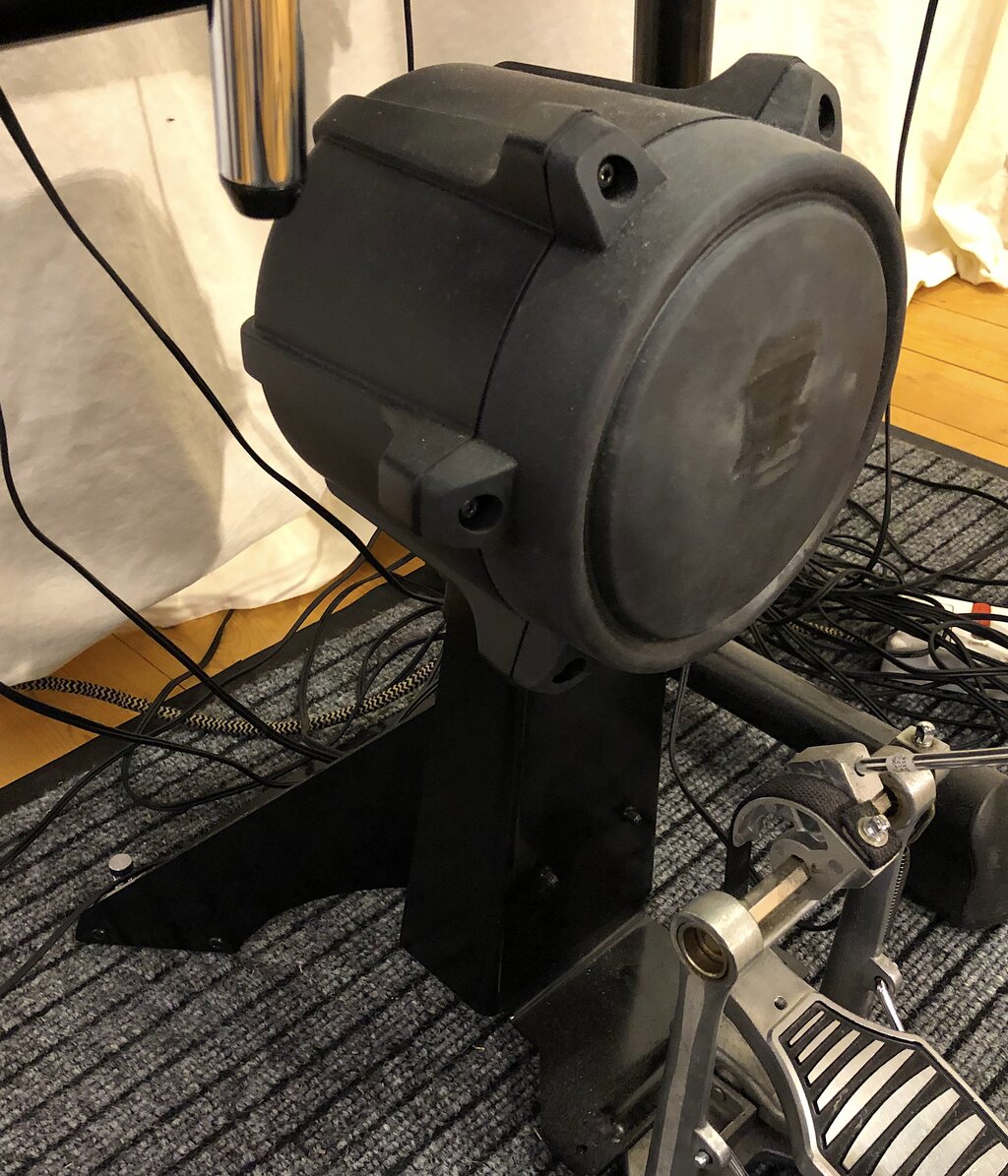
The Bass Drum, also called the kick drum, is the largest drum in the kit. It sits on the floor and is played with a foot pedal, providing the low-end pulse that often acts as the music's heartbeat.
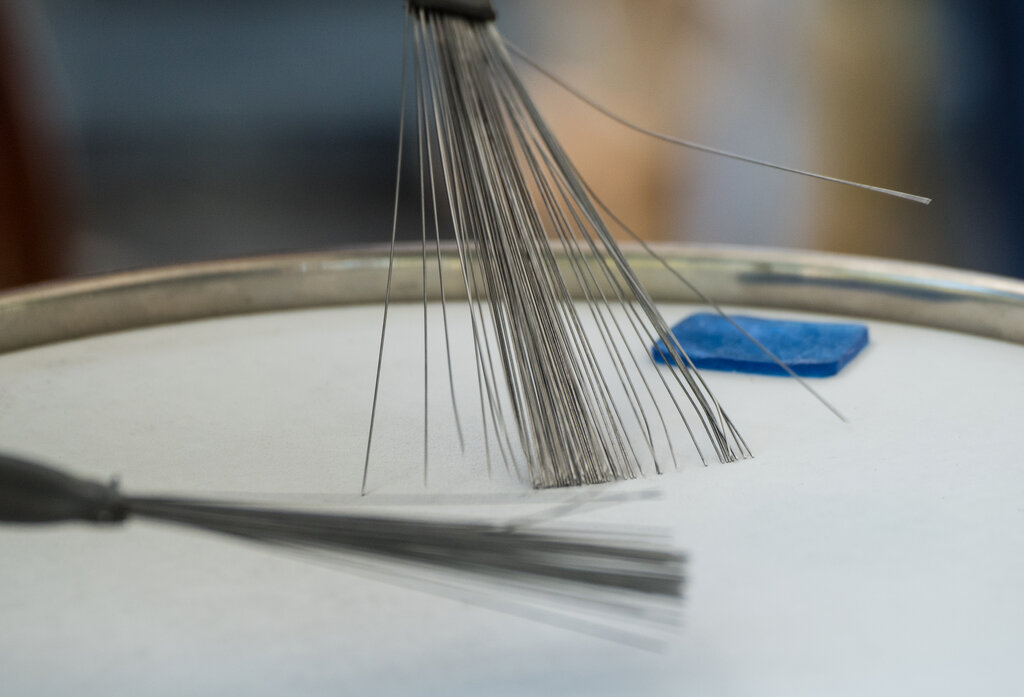
The Snare Drum is the centerpiece of the kit, positioned directly in front of the drummer. Its defining feature is a set of metal wires, called snares, stretched across the bottom head. When the top head is hit, these wires vibrate against the bottom head, producing a sharp, cracking sound. The snare is often used to emphasize the backbeats, typically beats two and four in a standard rock or pop song.
Next are the Toms, or tom-toms. These drums produce a purer, more melodic tone than the snare because they don't have snares. They are used for fills and rolls, adding color and excitement between rhythmic phrases. A standard kit has at least two types:
- Rack Toms: These are smaller toms mounted on top of the bass drum or on a separate stand.
- Floor Tom: This is the largest tom, standing on its own legs to the side of the drummer.
Toms are typically tuned to different pitches, descending from high (the smallest rack tom) to low (the floor tom).
The Metal Section
Cymbals add brightness and sustain to the drum kit's sound. They're metal discs that are struck with sticks, and they come in a variety of sizes and types.
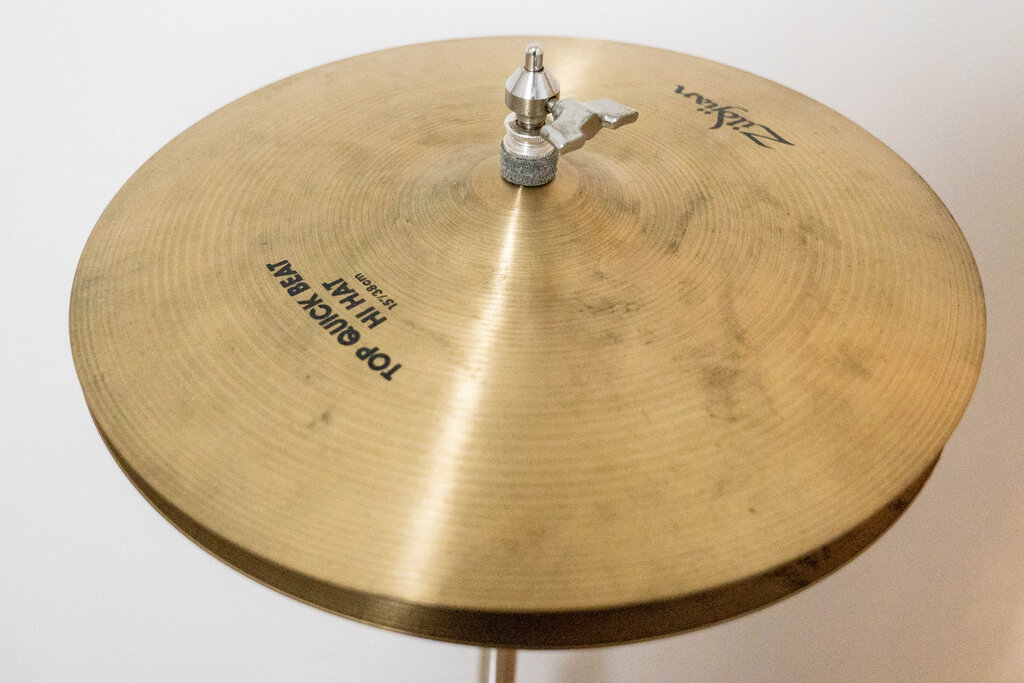
The Hi-Hat is a pair of cymbals mounted on a stand with a foot pedal. This clever setup makes it incredibly versatile. Pressing the pedal down brings the cymbals together for a crisp 'chick' sound. When played with sticks while closed, it creates a tight, precise timekeeping pattern. Releasing the pedal while they ring creates a sustained 'shhh' sound. Drummers use the hi-hat to play steady rhythmic patterns that form the backbone of a groove.
Other essential cymbals include:
- Crash Cymbal: Used for loud accents. Think of it as an exclamation point. Drummers often strike it at the end of a fill or to mark a new section of a song. Its sound is explosive and has a medium-long decay.
- Ride Cymbal: This is typically the largest cymbal in the kit. Like the hi-hat, it's used for playing steady timekeeping patterns. Hitting the main surface, or 'bow,' of the ride creates a distinct 'ping' sound, while hitting the raised center, or 'bell,' produces a clear, cutting tone.
Putting It All Together
Once you know the pieces, you need to arrange them. A proper drum kit setup is all about ergonomics. You want every drum and cymbal to be within comfortable reach, without having to stretch or twist your body. The goal is to create a setup that feels natural and allows for fluid movement around the kit.
Finally, there's tuning. Yes, drums are tuned! While they don't produce specific notes like a piano, their pitch can be adjusted by tightening or loosening the tension rods around the rim of each drumhead. Proper tuning ensures each drum has a clear tone and that the toms have a pleasing melodic interval between them. A well-tuned kit sounds focused and professional, while a poorly tuned one can sound flat and uninspiring.
Now, let's test your knowledge on the different parts of the drum kit.
What is the defining feature of a snare drum that gives it its characteristic sharp, cracking sound?
In a standard drum kit, what is the primary role of the tom-toms?