Drone Piloting Essentials
Drone Basics
What Makes a Drone Fly?
At its core, a drone is a flying robot. It can be controlled by a pilot on the ground or fly on its own using a pre-programmed path. While they come in many shapes and sizes, two main types dominate the skies: multi-rotor and fixed-wing.
The most common type you'll see is the multi-rotor, especially the quadcopter. With four propellers, it's like a helicopter but more stable and easier to control. Quadcopters are masters of maneuverability. They can take off vertically, hover in place, and zip around in tight spaces, which makes them perfect for photography, inspections, and racing.
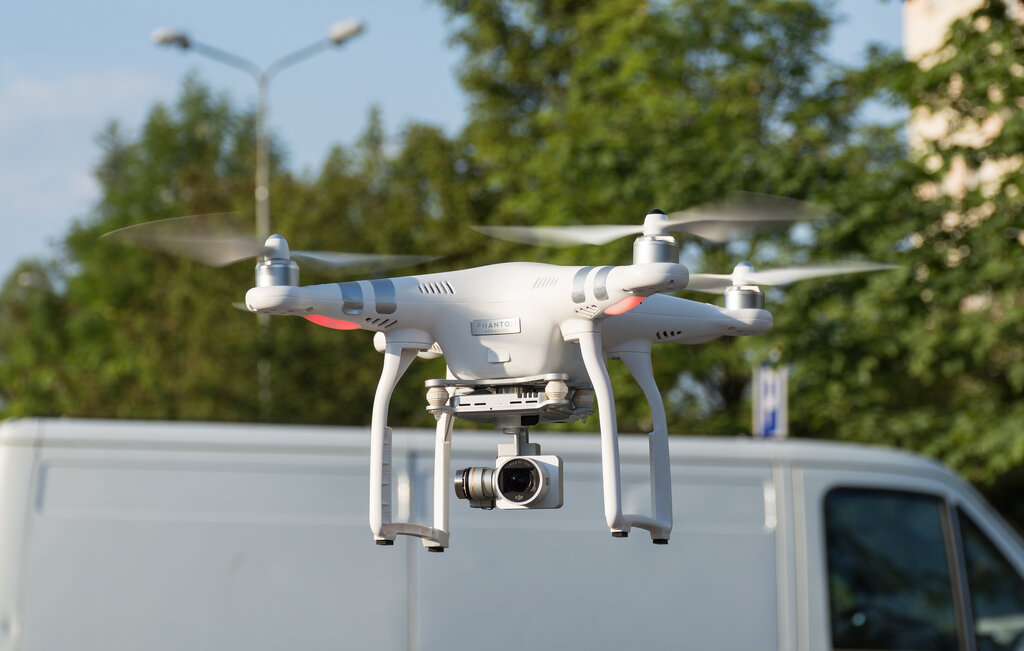
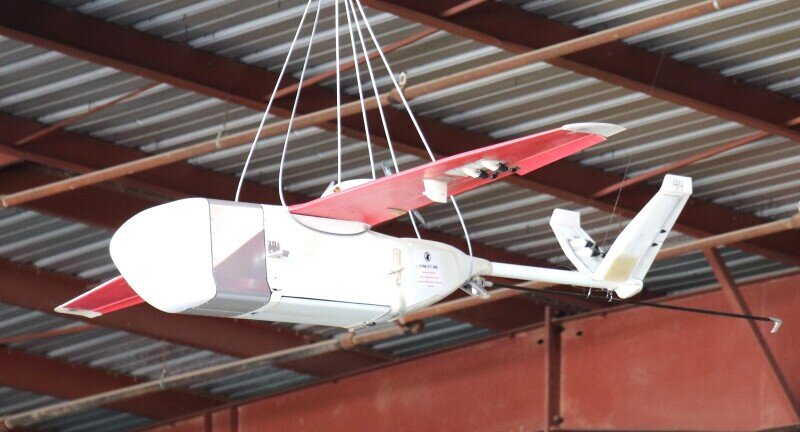
The other major category is the fixed-wing drone. These look and fly more like traditional airplanes. They can't hover, but they are incredibly efficient at flying forward. This design allows them to stay in the air for much longer and cover greater distances, making them ideal for mapping large areas or delivering medical supplies.
The Forces of Flight
Whether it's a quadcopter or a fixed-wing, every drone is subject to the same four forces of aerodynamics: lift, weight, thrust, and drag.
To fly, a drone's propellers must generate enough lift to overcome its weight. To move forward, it needs thrust to push through the air, overcoming the resistance known as drag.
A quadcopter hovers when lift and weight are equal. To climb, its propellers spin faster to generate more lift. To move, it tilts. By speeding up the rear propellers and slowing the front ones, the drone tilts forward, directing some of its lift into thrust and propelling itself forward.
Anatomy of a Drone
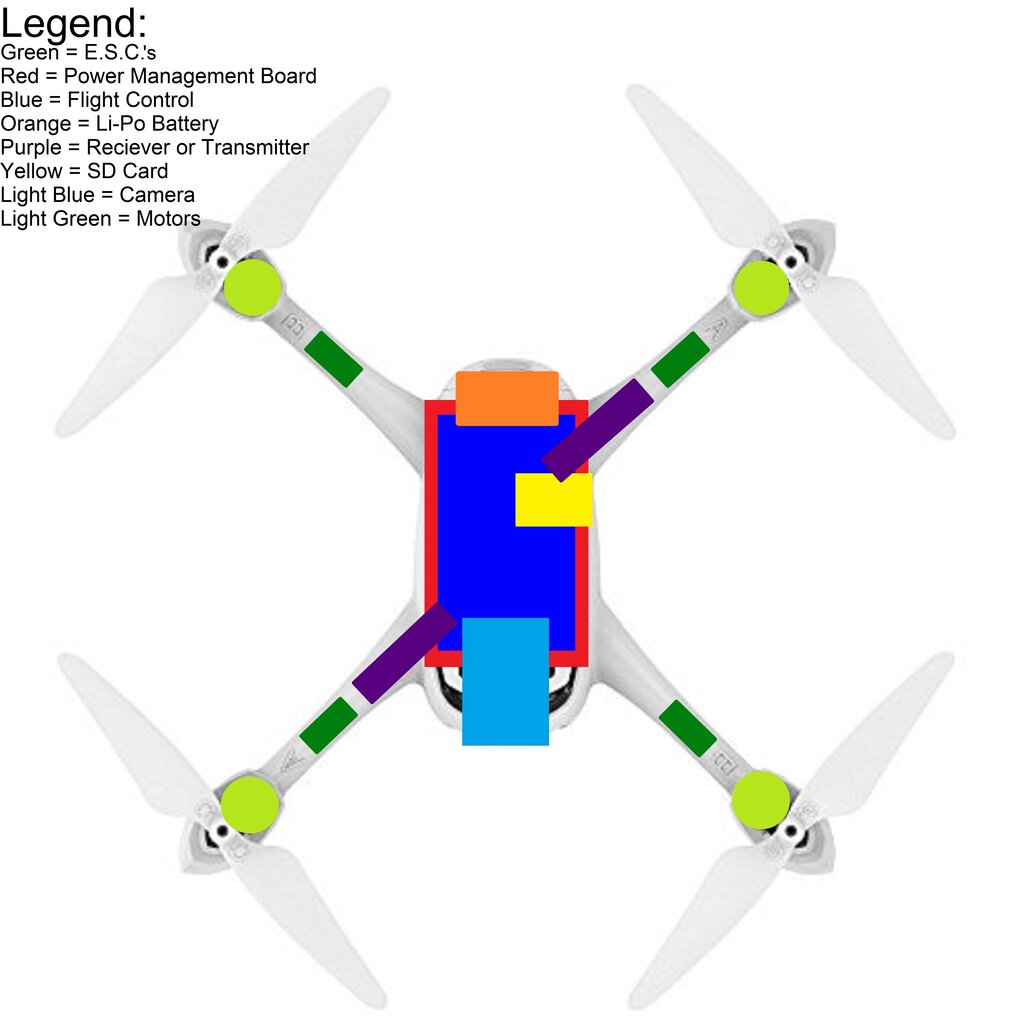
Drones might seem complex, but they are built from a few key parts working together.
| Component | Role |
|---|---|
| Frame | The skeleton of the drone, holding everything together. It needs to be lightweight but strong. |
| Motors & Propellers | The power couple. Motors spin the propellers, which create the airflow for lift and thrust. |
| Battery | The power source. Usually a rechargeable Lithium Polymer (LiPo) battery. |
| Flight Controller | The brain of the operation. It takes input from the pilot and sensors to control the motors. |
| Controller (Transmitter) | The device in the pilot's hands used to send commands to the drone. |
The flight controller is the most critical component. It's a small computer with sensors like an accelerometer and gyroscope that constantly make tiny adjustments to keep the drone stable in the air.
Drones at Work
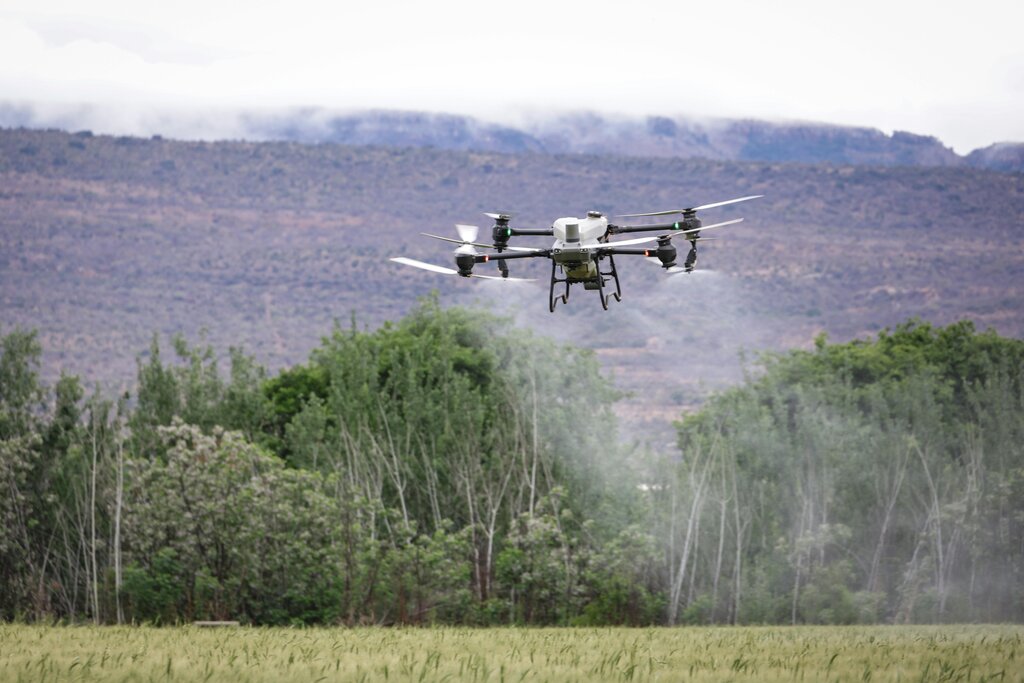
Drones are more than just a hobby. They've become powerful tools across many industries. Farmers use them to monitor crop health, filmmakers capture stunning aerial shots, and engineers inspect bridges and power lines without risking human lives.
In public safety, drones help search for missing people and assess damage after natural disasters. They're also revolutionizing package delivery, promising faster and more efficient ways to get goods to your doorstep.
By understanding these fundamentals—the types, forces, and parts—you have a solid foundation for how these amazing machines work.
Which of the following tasks is best suited for a fixed-wing drone rather than a multi-rotor drone?
For a quadcopter to climb straight up, which relationship between the four forces of flight must be true?