Drone Fundamentals
Introduction to Drones
From Balloons to Quadcopters
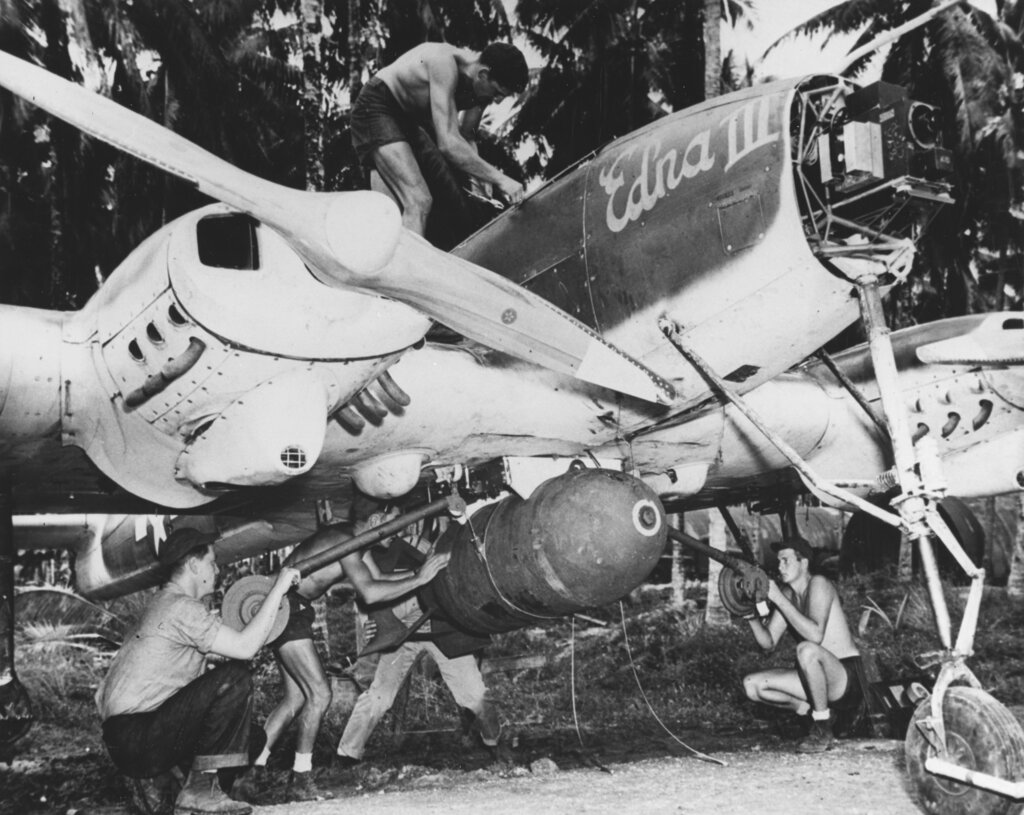
The idea of an unmanned aerial vehicle isn't new. In 1849, Austria launched 200 unpiloted, bomb-filled balloons to attack Venice. While most were blown off course, the concept was born. For the next century, these “drones” were almost exclusively military tools, evolving from simple radio-controlled planes in World War I to the jet-powered reconnaissance vehicles of the Cold War.
The drone revolution truly began in the 21st century. Key technologies like GPS, tiny sensors, and powerful, lightweight batteries became cheap and widely available. This convergence allowed hobbyists and companies to build small, agile, and affordable aircraft. The quadcopter, with its simple design and stable flight, quickly became the iconic drone for consumers and professionals alike, transforming a military technology into a tool for everyone.
The Drone Family
Not all drones are the familiar four-propeller quadcopters. They come in several shapes and sizes, each designed for different tasks. The most common types you'll see are multi-rotor, fixed-wing, and single-rotor helicopters.
Multi-rotor drones, like quadcopters, are the most popular. They are masters of hovering and precise movement, making them perfect for photography, inspections, and short-range deliveries.
Fixed-wing drones look and fly like airplanes. They can't hover, but they trade that ability for speed and endurance. They can cover large areas of land efficiently, which is why they are used for agricultural mapping and long-distance surveillance.
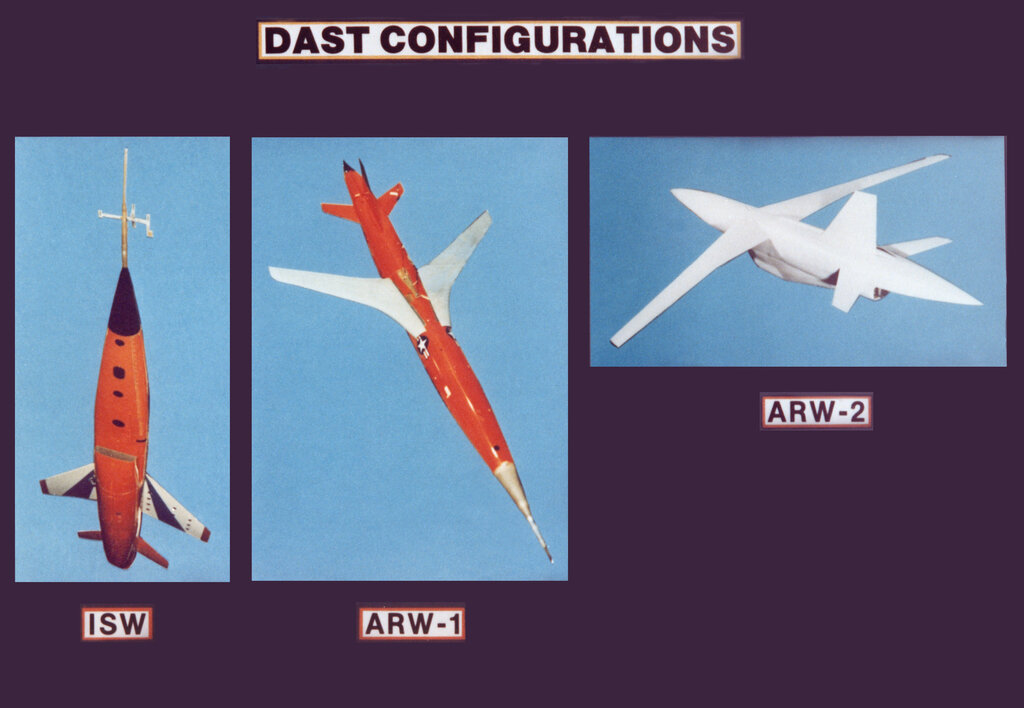
Single-rotor drones are essentially miniature, unmanned helicopters. They combine the long flight times of fixed-wing models with the hovering ability of multi-rotors. Their complexity and cost usually reserve them for specialized industrial tasks, like carrying heavy sensor equipment.
What's Inside?
A drone might seem complex, but it's built from a handful of core components working together. Think of it as a flying computer with propellers.
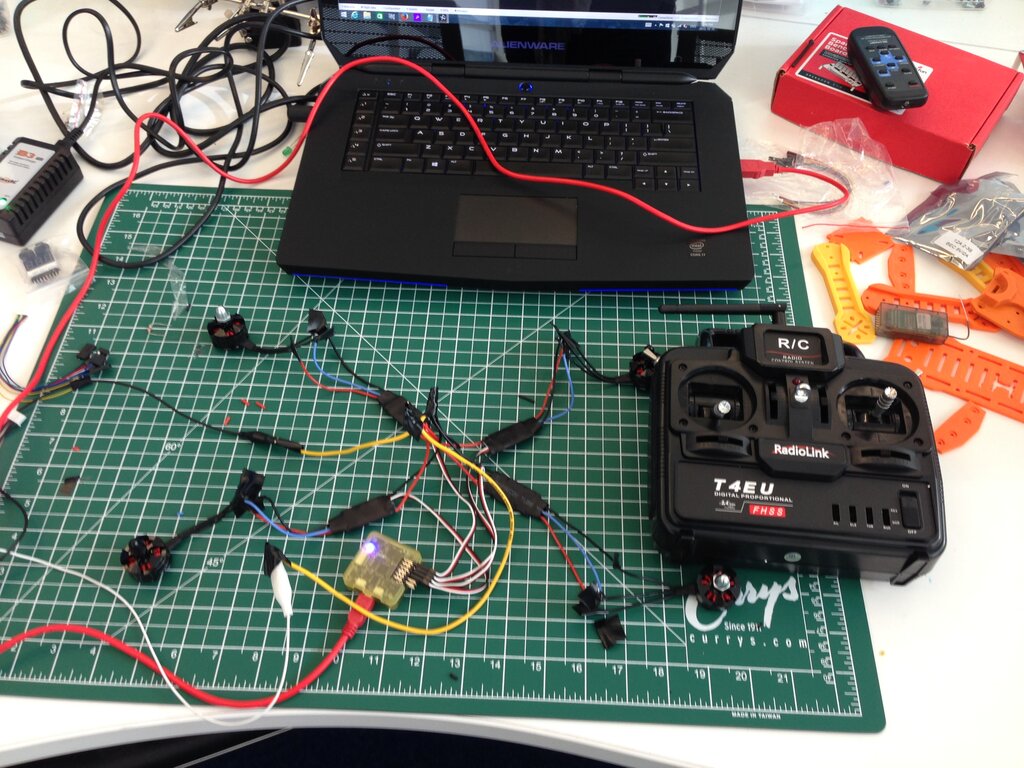
The basic components of a drone include a frame or chassis, motors, propellers, sensors, batteries, control systems (remote or onboard), communication systems (such as radio frequency or Wi-Fi), and a camera for capturing images or videos.
The frame is the skeleton, holding everything together. The motors and propellers provide the lift, spinning at incredible speeds to push air down. A powerful battery, usually lithium-polymer, is the heart of the drone, providing the energy to fly.
The brain is the flight controller, a small circuit board with sensors like an accelerometer and gyroscope. It makes thousands of tiny adjustments per second to keep the drone stable in the air. You communicate with it using a remote controller, which sends your commands over a radio link. And of course, many drones carry a payload, most commonly a high-resolution camera.
Drones at Work
Drones are much more than flying cameras for hobbyists. They've become transformative tools across dozens of industries.
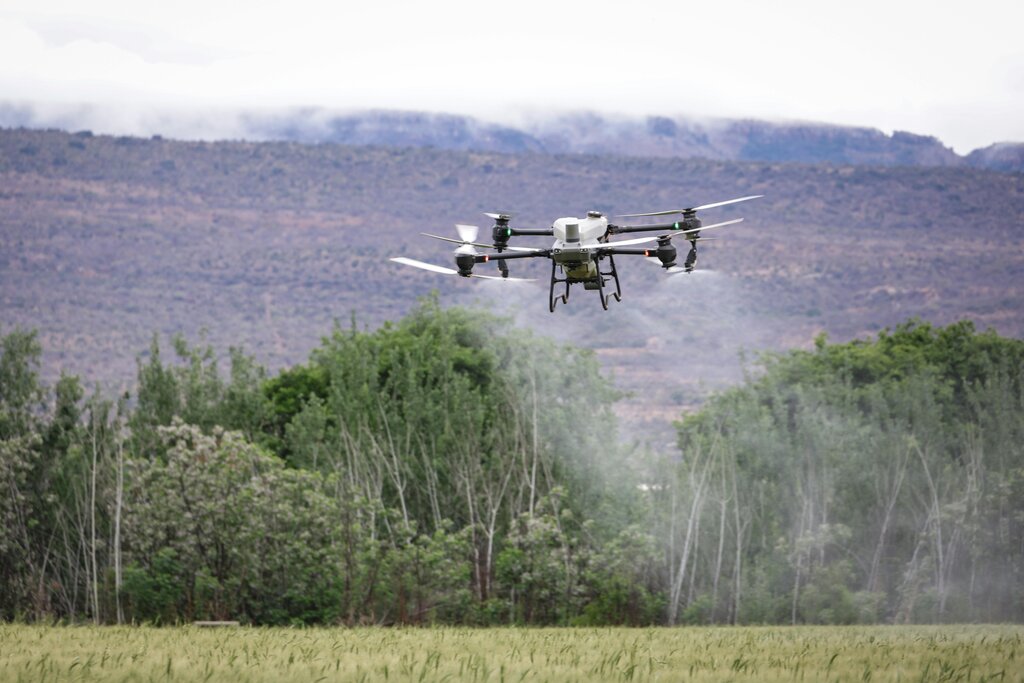
In agriculture, drones monitor crop health with special sensors, identify problem areas, and spray fertilizer or pesticides with pinpoint accuracy. This saves farmers money and reduces environmental impact.
Emergency services use drones to quickly survey disaster areas, find missing persons with thermal cameras, and deliver medical supplies to remote locations. They provide a vital eye-in-the-sky without risking a human pilot.
For filmmakers and photographers, drones have unlocked impossible camera angles, creating breathtaking aerial shots that were once only possible with expensive helicopters or cranes.
They are also crucial for industrial inspection. Drones can safely inspect wind turbines, cell towers, and bridges, getting close-up views of hard-to-reach spots without putting workers in danger. From delivering packages to mapping construction sites, drones are reshaping the way we work, create, and explore.
Ready to test what you've learned about the world of drones?
What is considered the first historical use of unmanned aerial vehicles in an attack?
Which combination of technologies was most crucial for the rise of small, affordable consumer drones in the 21st century?