Driving Theory App Development
Understanding Driving Theory
The Rules of the Road
Driving is a shared activity. To make sure everyone stays safe, we all agree to follow a common set of rules. These aren't just suggestions; they're laws that create order and prevent chaos. They govern everything from how fast you can go to who has the right to go first at an intersection.
Think of traffic laws as the language of the road. Signs, signals, and road markings are the vocabulary. Learning them allows you to understand what's happening around you and communicate your intentions to other drivers. This shared understanding is the foundation of safe driving.
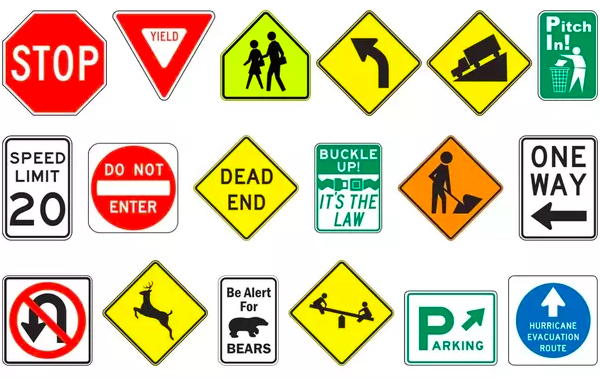
At a four-way stop, the rule is simple: the first vehicle to arrive has the right-of-way. If two vehicles arrive at the same time, the driver on the right gets to go first. At a green light, you can proceed, but you must still yield to pedestrians or vehicles already in the intersection. These rules eliminate guesswork and make traffic flow predictable.
Understanding Your Vehicle
Every car handles differently. Knowing your vehicle's capabilities and limitations is just as important as knowing the rules of the road. This doesn't mean you need to be a mechanic, but you should have a feel for how your car accelerates, brakes, and turns in various conditions.
Consider braking distance. It's not just about hitting the pedal; it's about how long it takes your car to come to a complete stop. This distance increases dramatically on wet or icy roads. Similarly, a heavy vehicle like an SUV or a truck will take longer to stop than a small sedan. Modern cars have features like anti-lock braking systems (ABS) and traction control, which can help in tricky situations, but they don't defy the laws of physics.
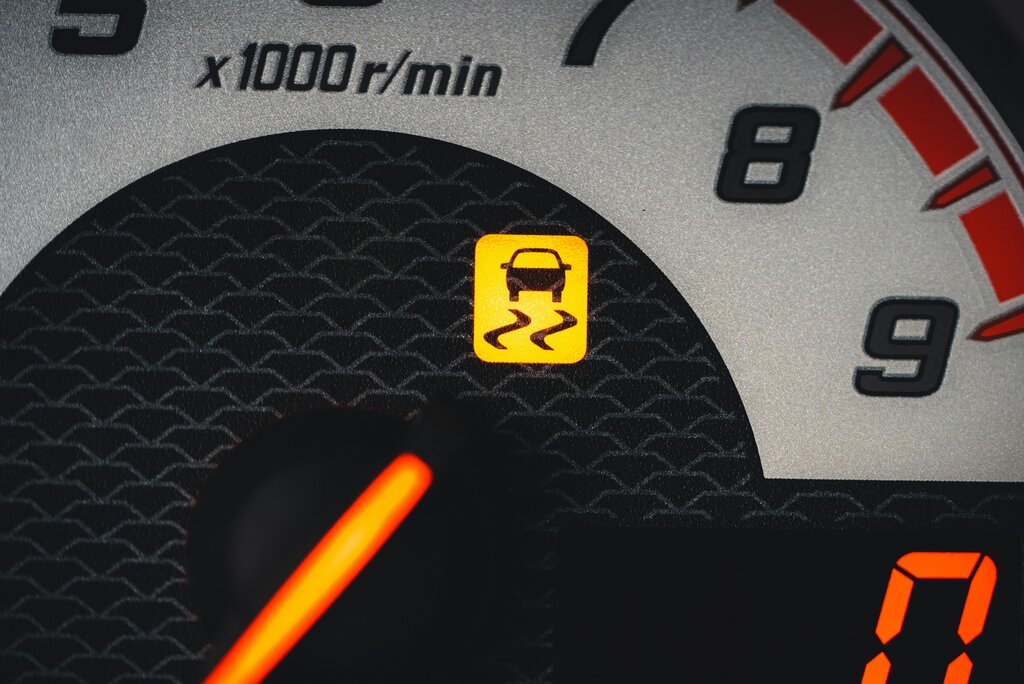
Being familiar with your car’s handling isn't about pushing its limits. It’s about knowing where those limits are so you can stay well within them.
Reading the Road Ahead
Safe driving is proactive, not reactive. It means constantly scanning your environment, anticipating potential problems, and giving yourself enough time and space to respond. This is often called defensive driving.
A key part of this is maintaining a safe following distance, or margin, from the car in front of you. A good rule of thumb is the three-second rule. Pick a fixed object on the road, like a sign or a bridge. When the car ahead of you passes it, start counting. If you reach the object before you count to three, you're following too closely. Increase this to four or five seconds in bad weather.
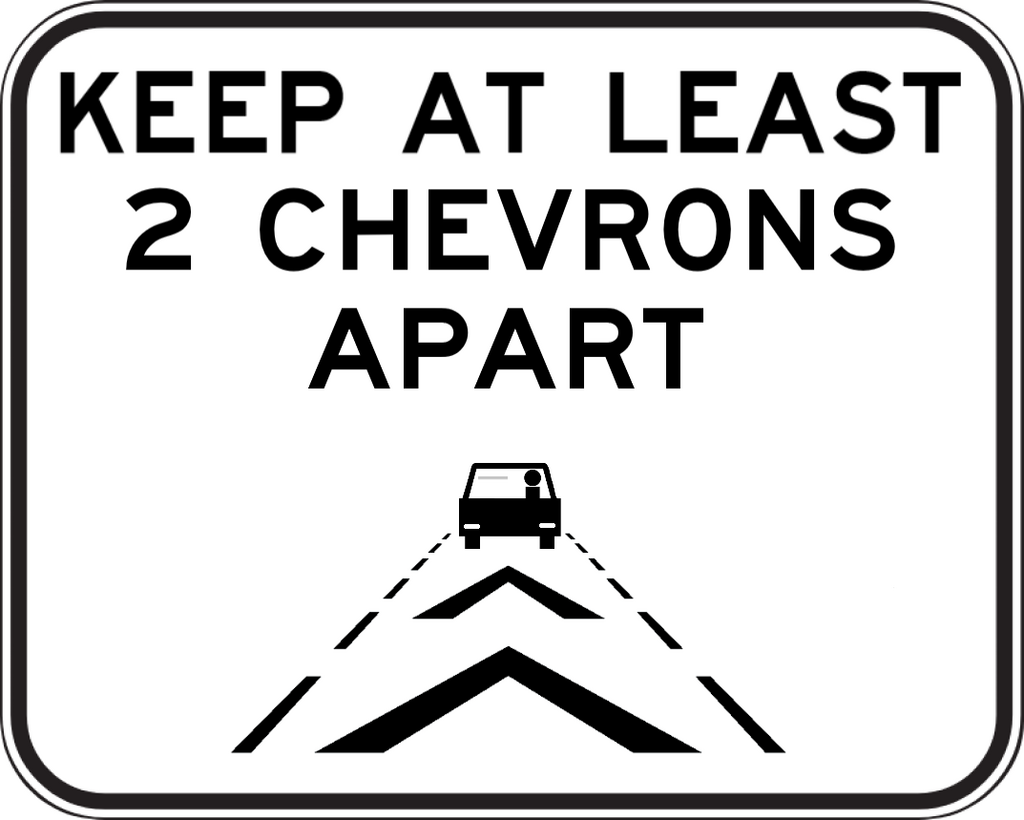
Hazard awareness is about looking for potential dangers. A ball rolling into the street could be followed by a child. A car weaving in its lane might have a distracted driver. By identifying these clues early, you can prepare to slow down or change lanes long before a situation becomes critical.
When you drive, you're not just operating a car. You're part of a complex, fast-moving environment. Paying attention to everything in that environment is your most important job.
Sharing the Road
You are never alone on the road. You share it with many others, some of whom are much more vulnerable than you are in your car. Pedestrians, cyclists, and motorcyclists don't have a metal frame to protect them, so drivers have a special responsibility to be cautious around them.
Always give cyclists plenty of room, at least three feet when passing. Check your blind spots carefully before turning or changing lanes, as motorcycles can be easily hidden from view. Be extra vigilant at intersections and crosswalks where pedestrians are present. Their movements can be unpredictable, especially those of children.
Your goal is to be a predictable driver. This means maintaining a consistent lane position, using your turn signals well before you maneuver, and avoiding sudden changes in speed or direction. When other road users know what you're going to do, they can react appropriately, making the entire system safer for everyone.
At a four-way stop, if two vehicles arrive at the exact same time, who has the right-of-way?
The primary goal of being a 'predictable driver' is to communicate your intentions clearly to other road users.
Mastering these core principles is the first step toward becoming a safe and confident driver. It's an ongoing process of learning and paying attention every time you get behind the wheel.