Driving Organic Growth in B2B Manufacturing
Understanding Organic Sales Growth
Growing from Within
How does a company get bigger? One way is to build on what you already have, improving your own products, processes, and customer relationships. This is called organic sales growth. It’s about generating more revenue using your company's own resources and efforts, rather than buying growth from the outside.
Organic Growth
noun
The growth rate a company can achieve by increasing output and enhancing sales internally. This does not include profits or growth from takeovers, acquisitions, or mergers.
For B2B manufacturing companies, organic growth is particularly important. It signifies a healthy, sustainable business. It means your products are hitting the mark, your sales team is effective, and your brand is trusted in the market. This steady, internal expansion builds a strong foundation that can weather economic shifts and intense competition.
Two Paths to Expansion
Growth doesn't always come from within. The alternative is inorganic growth, which involves merging with or acquiring another company. While this can lead to rapid expansion, it comes with a different set of risks and rewards. Understanding the difference is key to setting the right strategy.
| Feature | Organic Growth | Inorganic Growth |
|---|---|---|
| Source | Internal efforts (sales, marketing, new products) | External activities (mergers, acquisitions) |
| Speed | Slower, more gradual | Faster, can be immediate |
| Risk | Lower financial risk, potential for stagnation | Higher financial risk, integration challenges |
| Control | High degree of control over process and culture | Less control, involves integrating new teams |
| Cost | Typically lower upfront investment | High upfront capital required |
Think of it like building a house versus buying one. Organic growth is drawing up your own blueprints and building brick by brick. Inorganic growth is buying a finished house—you get it right away, but you might have to deal with someone else's design choices and hidden problems.
The Benefits of Building
Choosing the organic path offers distinct advantages. Because it’s a slower, more deliberate process, it tends to be more sustainable. You’re building on a solid foundation of what your company does best. This approach strengthens your company culture, as growth comes from the shared efforts of your existing team. It also allows the business to maintain its identity and values.
Financially, organic growth is often less risky. It doesn't require the massive capital outlay of an acquisition and avoids the debt that often comes with it. Instead, you reinvest your own profits, creating a positive feedback loop of steady, manageable expansion.
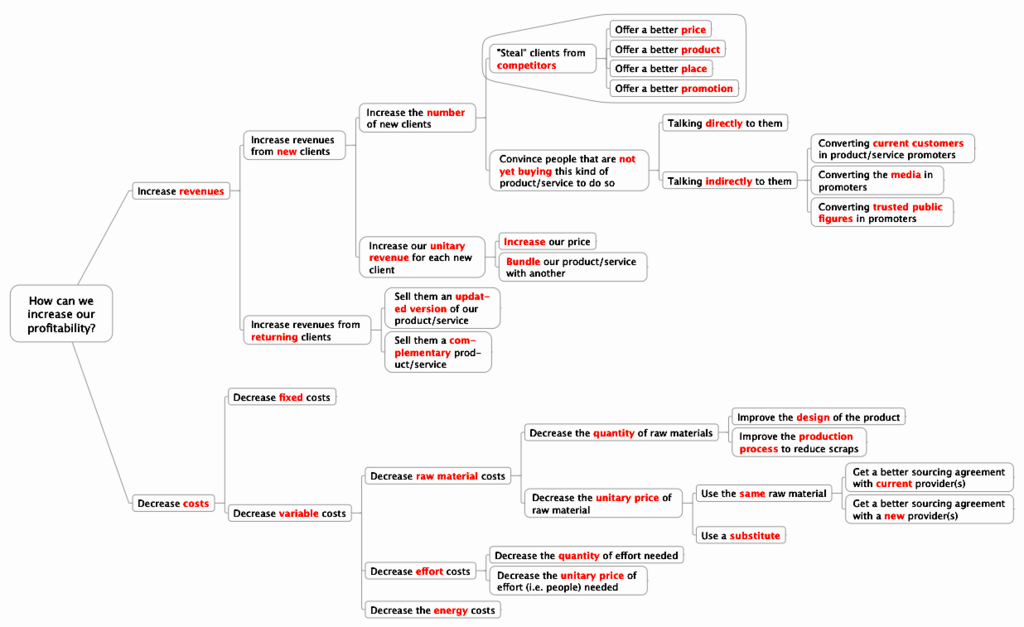
Despite these benefits, achieving organic growth isn't always easy, especially for mid-market manufacturers. These companies are often caught in a tough spot. They're larger than small businesses but lack the vast resources of enterprise-level corporations. They may face intense price pressure from bigger competitors while struggling with limited marketing budgets or smaller R&D teams. Scaling up production or sales teams requires careful planning to avoid overextending resources.
The core challenge for mid-market firms is balancing the ambition for growth with the reality of their available resources.
Now that we've covered the fundamentals, let's check your understanding.
What is the primary characteristic of organic sales growth?
According to the text's analogy, organic growth is like building a house, while inorganic growth is like buying a finished one.
With a clear grasp of what organic growth is and why it matters, we can begin to explore the specific strategies that make it happen.