Drivers of Consumer Behavior
Introduction to Consumer Behavior
Why People Buy
Consumer behavior is the study of how individuals, groups, and organizations choose, buy, use, and dispose of goods, services, ideas, or experiences to satisfy their needs and wants. In simpler terms, it’s about understanding why people make the purchasing decisions they do.
For a business, this isn't just an academic exercise. Understanding your customers is the foundation of a successful marketing strategy. When you know who your customers are, what they need, and what influences their choices, you can create products they actually want and messages that resonate with them. It’s the difference between shouting into the void and having a meaningful conversation.
Think of it this way: a coffee shop that knows its customers are health-conscious students might offer oat milk and study-friendly seating. A shop that caters to office workers might prioritize speed and mobile ordering. Both sell coffee, but their understanding of consumer behavior leads to very different business models.
The Why Behind the Buy
Consumer choices aren’t made in a vacuum. They are shaped by a mix of internal and external factors. We can group these influences into three main categories.
1. Psychological Factors: These are the influences that come from inside a person's mind. They include things like motivation (why you need something), perception (how you see the world), and personal beliefs and attitudes. For example, your motivation to live a healthier lifestyle might lead you to buy organic vegetables, even if they cost more.
2. Social Factors: Humans are social creatures. Our decisions are heavily influenced by the people around us. This includes family, friends, colleagues, and broader cultural norms. You might buy a certain brand of phone because your friends all have one, or you might choose a particular restaurant for a family celebration because it’s a tradition.
3. Economic Factors: A person’s financial situation plays a huge role in what they can and will buy. This includes their income, savings, and their confidence in the economy's future. During a recession, people tend to focus on essential goods and save more. When the economy is booming, they might feel more comfortable spending on luxury items or vacations.
From Insight to Strategy
So, how do companies use this information? By understanding consumer behavior, marketers can develop effective strategies that align with their target audience's needs and motivations. This process is often called STP Marketing: Segmentation, Targeting, and Positioning.
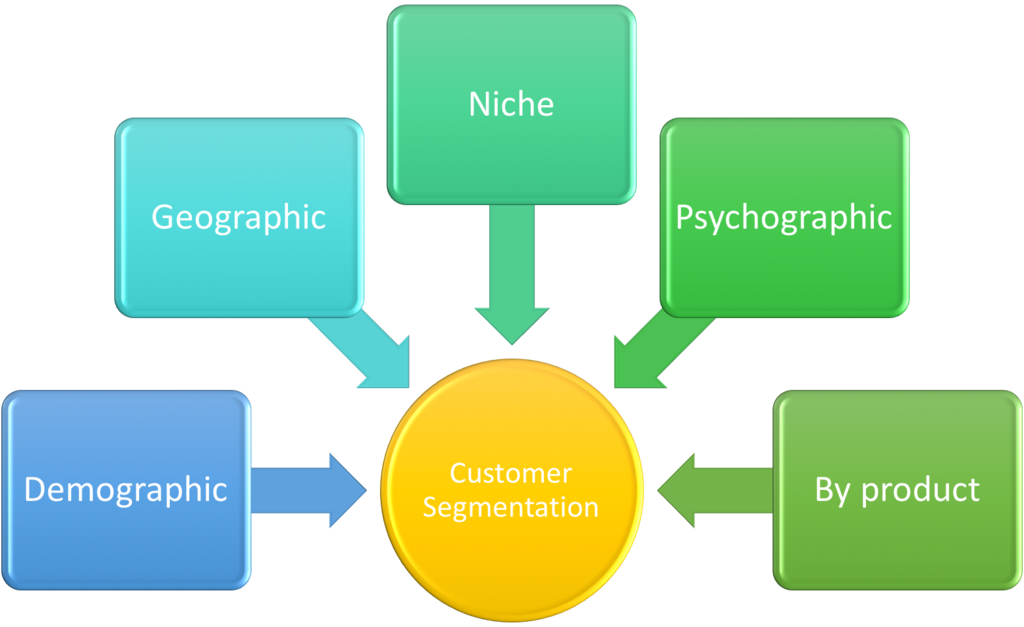
Segmentation: First, businesses divide the broad market into smaller, manageable groups of consumers with similar needs or characteristics. This could be based on demographics (age, gender), geography (where they live), or psychographics (lifestyle, values).
Targeting: Next, the company decides which of these segments to focus on. A company can't be everything to everyone, so it selects the group (or groups) it can serve best.
Positioning: Finally, the company creates a clear and distinctive image of its product in the minds of the target consumers. This is about communicating the unique value the product offers. Is it the most affordable option? The most luxurious? The most environmentally friendly?
Understanding buyer behavior and psychographic boundaries helps marketers better meet consumer demand and increase their profitability.
By following this process, a company can create a marketing mix—product, price, place, and promotion—that is perfectly tailored to its target customers. This leads to more effective advertising, higher customer satisfaction, and a stronger brand.
Time to review what you've learned about the foundations of consumer behavior.
What is the primary focus of studying consumer behavior?
A teenager buys a specific brand of sneakers because all their friends have them and it's the popular style at their school. Which category of factors is most strongly influencing this decision?
Studying consumer behavior gives businesses a powerful lens through which to see the world from their customers' perspective. It’s a crucial first step in building a brand that people know, like, and trust.