Drilling Straight Holes in Granite
Understanding Granite Properties
What's in Granite?
Granite is an igneous rock, which means it formed from cooling magma deep within the Earth's crust. Its character comes from the mix of minerals that crystallized as the magma cooled slowly over millions of years. The three main ingredients are quartz, feldspar, and mica.
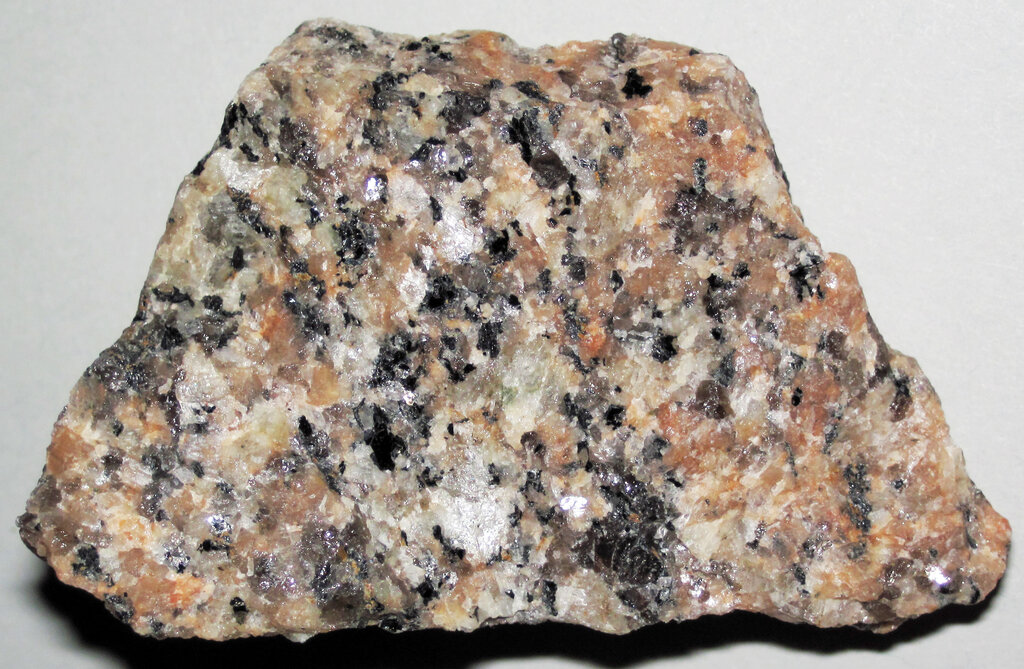
Each mineral plays a specific role. Quartz is a very hard, glassy mineral that gives granite much of its durability. Feldspar is typically the most abundant mineral and often gives granite its color, which can range from pink to white or gray. Mica, which includes varieties like black biotite, appears as small, shiny flakes. Together, these interlocking crystals form a dense, strong structure.
Hardness and Density
Hardness is a measure of how resistant a mineral is to being scratched. On the Mohs scale of hardness, which runs from 1 (talc) to 10 (diamond), quartz scores a 7. Since granite is packed with quartz, the rock itself is incredibly hard. This is why it's a popular choice for countertops—it resists scratches from knives and everyday wear.
This hardness presents a significant challenge for drilling. It requires powerful tools and generates a lot of heat and friction, causing drill bits to wear down quickly.
Granite is also very dense. A cubic foot of granite weighs around 160-170 pounds. This density is a direct result of its tightly packed, crystalline structure. While density doesn't directly affect the cutting action of a drill, it contributes to the overall force and energy required to bore through the material. The combination of high hardness and density makes drilling granite a slow, demanding process.
Hardness resists scratching and cutting, while density relates to the material's weight and mass. Both make granite tough to drill.
A Closer Look at Structure
Granite isn't perfectly uniform. It contains structural features that can either help or hinder drilling. One common feature is the presence of natural fractures, sometimes called joints or fissures. These are pre-existing cracks in the rock. Drilling along a fracture can be easier, but it also increases the risk of the rock breaking unpredictably.
Another feature is inclusions. These are pockets of different minerals that formed within the granite. An inclusion can create a sudden change in hardness. A drill bit moving through standard granite might suddenly hit a pocket of extremely hard quartz or a softer mineral deposit, causing the bit to bind or deflect.
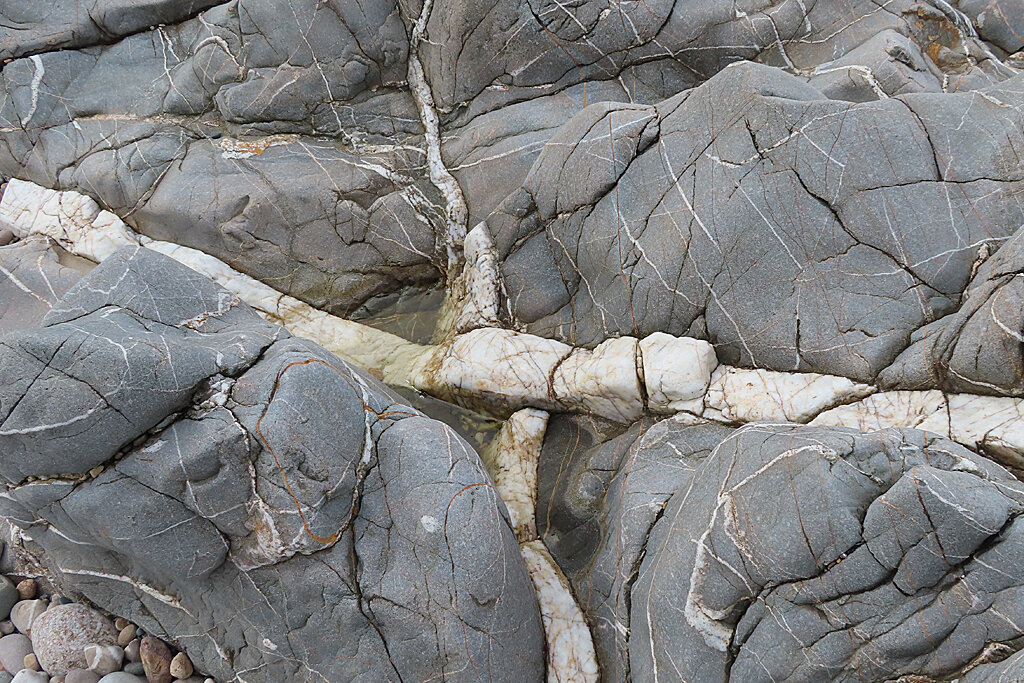
Finally, granite is brittle. Hard materials often are. This means that when put under stress, granite is more likely to crack or chip rather than bend. During drilling, this brittleness can cause "spalling," where small chips break away from the edge of the hole. This can result in a messy, oversized opening if not managed carefully. The goal is to cut through the material cleanly, not just fracture it.
Now, let's test your understanding of these core properties.
Granite is primarily composed of which three minerals?
Which mineral is the main reason granite is so hard and resistant to scratching?
Understanding these properties—composition, hardness, and structure—is the first step in approaching any project involving this durable rock.