Drawing Fundamentals
Introduction to Drawing
Learning to See
Drawing isn't about having a magical talent. It’s a skill you can learn, just like riding a bike or learning a language. At its core, drawing is about two things: teaching your eyes to see the world in a new way and training your hand to follow what your eyes see. This connection is called hand-eye coordination.
Think of it like learning to catch a ball. At first, it's awkward. But with practice, your eyes and hands start working together without you even thinking about it. Drawing works the same way. The goal is to strengthen that connection so your hand can confidently translate your vision onto the page.
Let's try a simple warm-up. Grab a piece of paper and a pencil. Fill the entire page with circles of different sizes. Don't worry about making them perfect. Try to draw each one in a single, continuous motion. Then, do the same with straight lines, filling another page with lines going in every direction. This builds muscle memory and gets your hand and eye talking to each other.
Your First Tools
You don't need expensive equipment to start drawing. In fact, it's best to begin with the basics. You can create amazing things with just a few simple items.
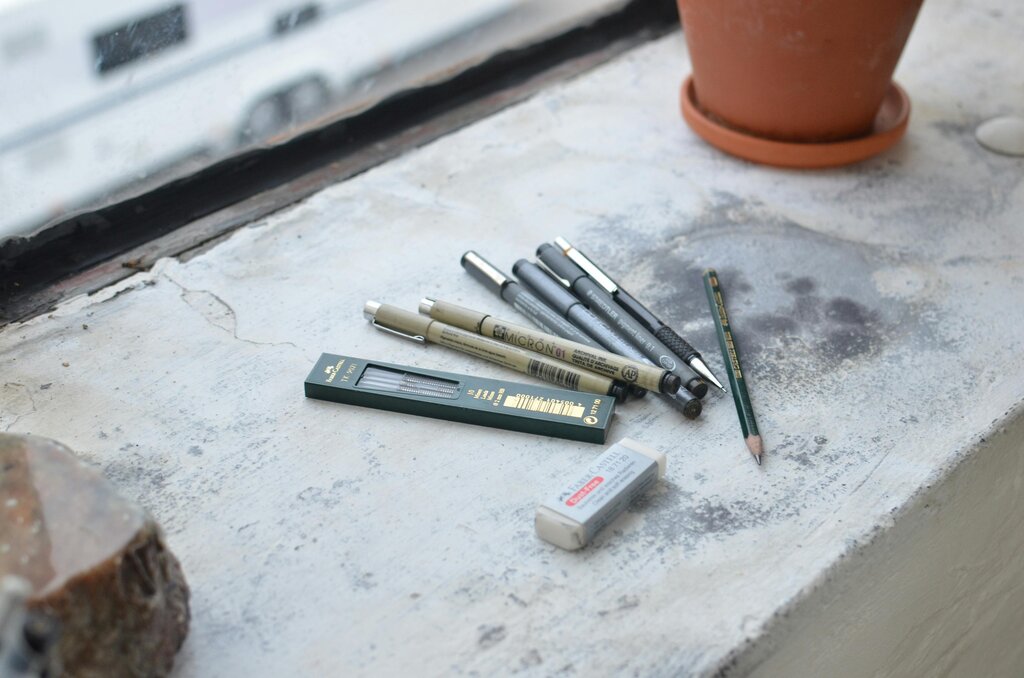
Here’s a good starting toolkit:
- Pencils: A standard No. 2 or HB pencil is perfect. Graphite pencils come in a range of hardnesses (from hard 'H' pencils that make light lines to soft 'B' pencils for dark marks), but an HB is right in the middle and wonderfully versatile.
- Paper: Any paper will do. A simple sketchbook is great because it keeps all your practice drawings in one place, but printer paper works just fine.
- Eraser: A kneaded eraser is a fantastic tool for beginners. You can mold it into any shape, and it lifts graphite off the paper without leaving messy crumbs behind.
Making Your First Marks
With your tools ready, we can start with a foundational technique called observational drawing. This means drawing what you actually see, not what you think you see. We'll use a specific method to practice this.
Contour
noun
The outline of an object or figure.
Contour drawing is the practice of drawing an object's outline. It forces you to slow down and trace the edges of your subject with your eyes. A powerful way to build this skill is with an exercise called blind contour drawing.
The rules are simple: Pick an object, place it in front of you, and draw its outline without looking at your paper. Yes, you read that right. Don't peek! The goal is to keep your eyes on the object and move your pencil at the same speed as your eyes move. Try to make it one continuous line without lifting your pencil.
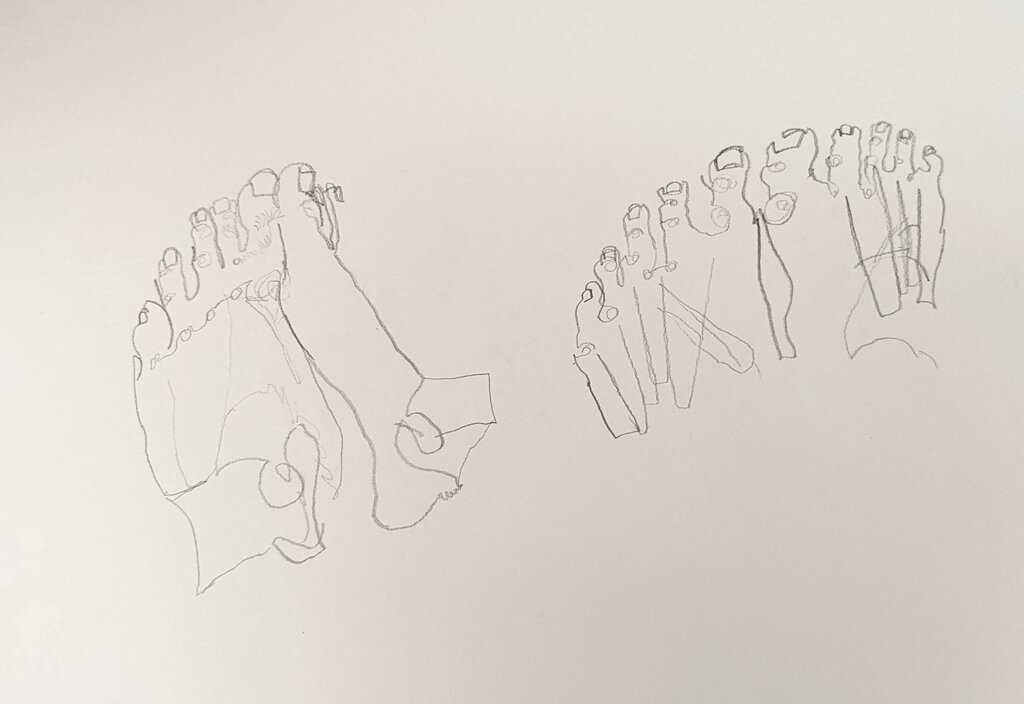
Your first blind contour drawing will probably look strange and distorted. That’s a good thing! It means you were focused on observing, not on creating a perfect replica. This exercise is one of the best ways to break the habit of drawing symbols (like a generic cartoon eye) and start drawing the unique shapes you see in the real world.
Drawing What You See
Now, let's put it all together. Find a few simple objects around you. A coffee mug, a piece of fruit, a book, or a salt shaker are all great subjects.
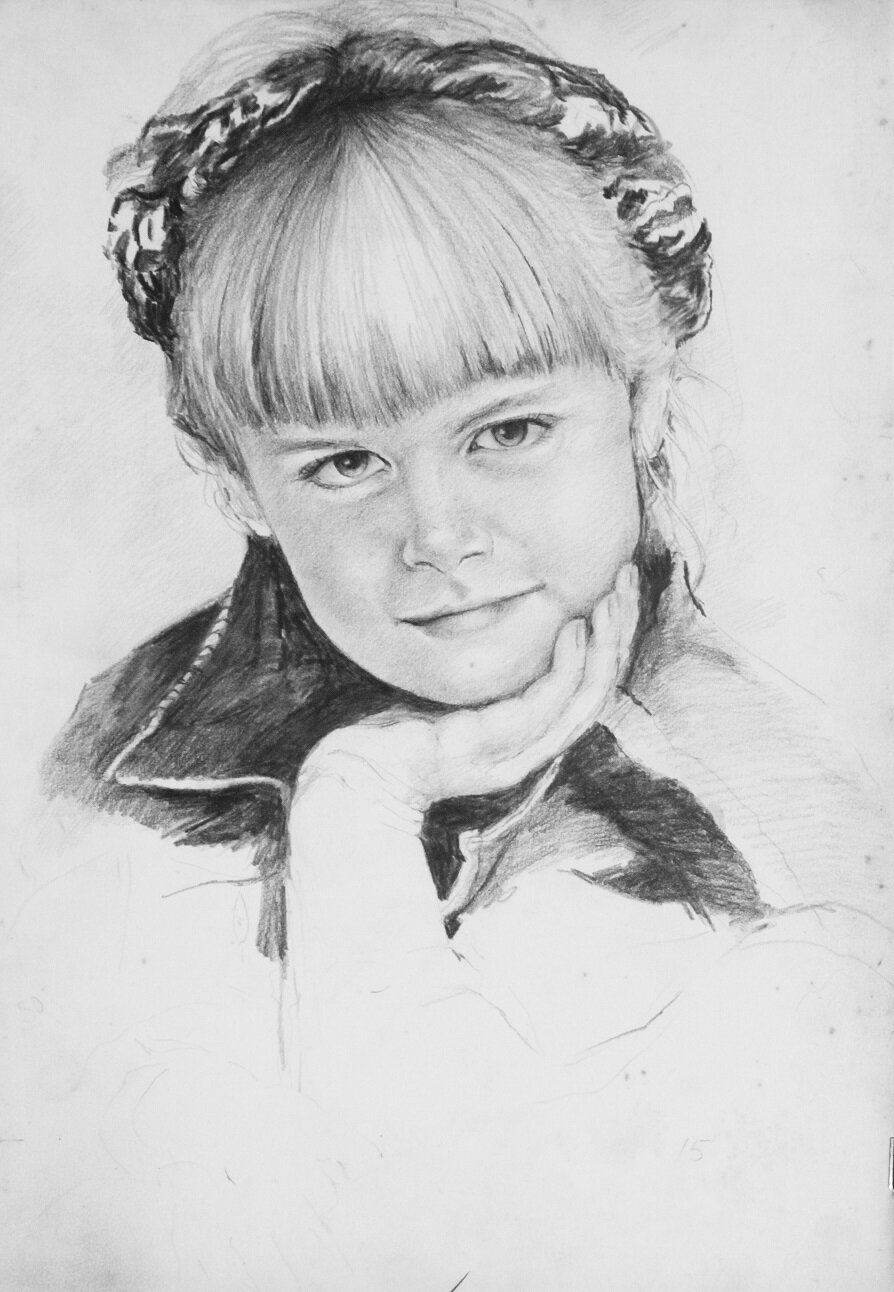
Set one of the objects in front of you. This time, you can look at your paper. Start by lightly sketching the main shapes you see. Is the mug mostly a cylinder? Is the apple a sphere? Don't worry about details yet. Just focus on getting the general proportions and outlines down. This is called a gesture drawing.
Once you have the basic form, go back and refine the contour lines. Look closely at the object's edges. Where do lines curve? Where are they straight? Compare the lines on your paper to the lines on the object. Make adjustments. The more you practice this simple act of looking and drawing, the stronger your foundational skills will become.
When you start out in any artistic discipline, it's prudent to learn the foundational rules that make up the basics of the craft.
Let's check your understanding of these core concepts.
According to the text, what is the core of learning to draw?
What is the primary goal of the blind contour drawing exercise?
Drawing is a journey built on these simple, foundational skills. Keep practicing, stay curious, and have fun with it.