Drawing Editorial Cartoons
Introduction to Editorial Cartoons
More Than Just a Funny Drawing
An editorial cartoon, also known as a political cartoon, is an illustration that offers a commentary on current events or public figures. Unlike a comic strip that's purely for entertainment, an editorial cartoon has a point to make. It uses images and symbols to express an opinion, persuade readers, or poke fun at the powerful.
Editorial Cartoon
noun
An illustration or comic strip containing a political or social message, that usually relates to current events or personalities.
These cartoons act as a visual shortcut. They can take a complex political situation, a new law, or a public debate and boil it down to a single, powerful image. The main tools of the cartoonist are symbolism, caricature, and irony. A politician might be drawn with exaggerated features to highlight a character trait, or a country might be represented by an animal, like the American eagle or the Russian bear.
A Quick History
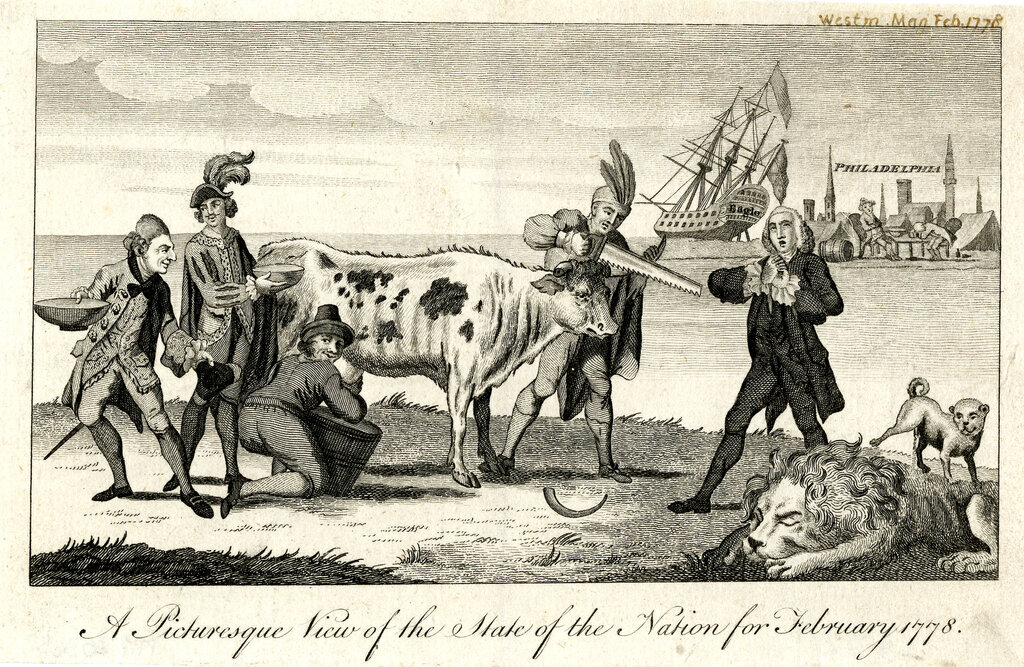
While political satire has existed for centuries, the editorial cartoon as we know it began to flourish with the rise of newspapers and magazines in the 18th century. Artists like Britain's James Gillray are considered pioneers, creating sharp, witty prints that skewered the monarchy and political figures of his day.
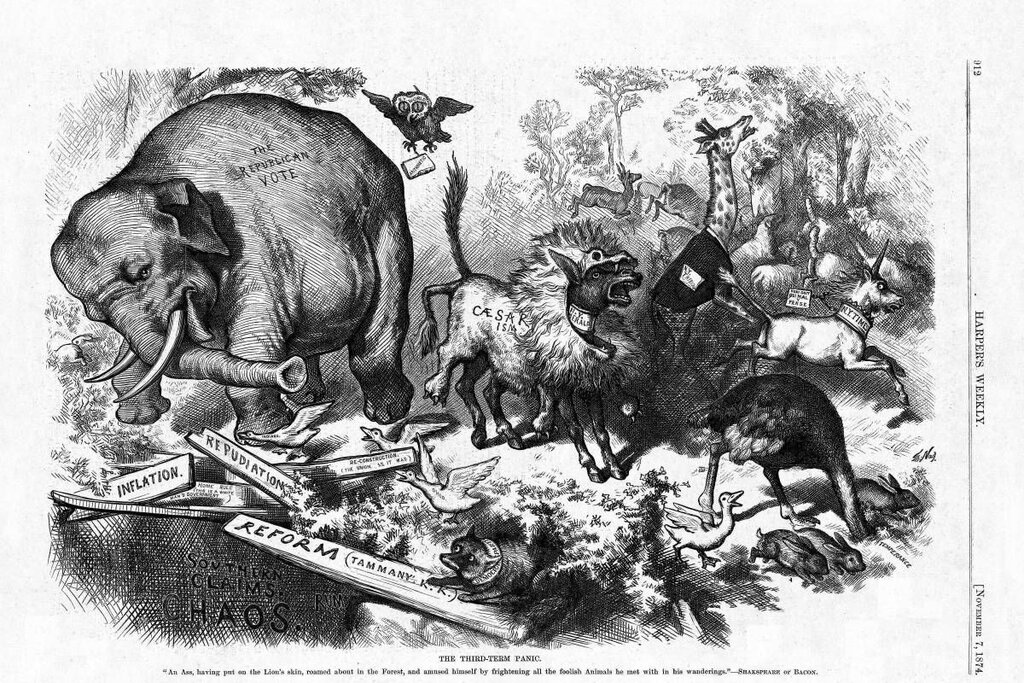
In the United States, the art form gained prominence in the 19th century. Thomas Nast, working for Harper's Weekly, became incredibly influential. He is credited with creating the modern image of Santa Claus, as well as popularizing the donkey and the elephant as symbols for the Democratic and Republican parties. His relentless cartoons helped bring down the corrupt political boss William "Boss" Tweed in New York City.
Shaping Minds and Headlines
A great editorial cartoon can do more than just make you laugh or nod in agreement. It can crystallize public opinion and, in some cases, even influence the course of events. By presenting a strong, easily understood viewpoint, cartoons can galvanize support for a cause or turn the public against a political figure.
Politicians have long understood the power of these drawings. A single, well-crafted cartoon can sometimes be more damaging than pages of critical text.
They work by tapping into emotions. A cartoon can make a distant issue feel personal and urgent. It can generate anger, sympathy, or ridicule, prompting people to think about a topic in a new way. This ability to frame a debate visually is why editorial cartoons have remained a vital part of journalism and political discourse for so long.
From Ink to Pixels
For most of their history, editorial cartoons were drawn by hand with pen and ink on paper. The finished drawing would then be engraved for printing in a newspaper. While some artists still use traditional methods, the process has changed dramatically with the advent of digital technology.
Today, many cartoonists work on digital drawing tablets. Software allows for easy editing, coloring, and experimentation. This shift has not only changed the creation process but also the distribution. The internet and social media have given cartoons a new life outside of the printed page. A single cartoon can now be shared instantly around the globe, reaching a much wider audience than ever before.

This new digital landscape presents both opportunities and challenges. While cartoonists can connect directly with their audience, the decline of print media has meant less financial security for many. Still, the core purpose of the editorial cartoon remains the same: to comment, to critique, and to provoke thought, one powerful image at a time.
Ready to check your understanding?
What is the primary purpose of an editorial cartoon?
Which of the following is NOT a primary tool of the editorial cartoonist, according to the text?