Drafting Maintenance Petitions under Section 125 CrPC
Introduction to Section 125 CrPC
A Legal Safety Net
In India, family is the cornerstone of society. But what happens when that support system fails? Section 125 of the Code of Criminal Procedure (CrPC) provides a crucial answer. Think of it as a legal safety net designed to protect vulnerable family members from financial hardship.
This law isn't about punishing anyone. Its main goal is to prevent destitution and ensure that wives, children, and parents who cannot support themselves receive basic financial assistance. It’s a measure of social justice, making sure that no one is left without the means to live simply because a family member neglects their responsibilities.
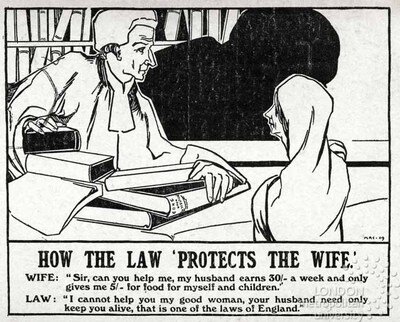
The law is designed to be a quick and accessible remedy for those in need, cutting through lengthy and expensive civil court procedures.
Section 125 of the Criminal Procedure Code, 1973 provides a speedy, inexpensive, and effective remedy to wives, children, and parents who are unable to maintain themselves.
Who Can Claim Support?
The law is very specific about who is eligible to claim maintenance. There are three main groups:
1. The Wife: A legally married woman who is unable to support herself can claim maintenance from her husband. This includes a divorced woman who has not remarried. However, she may not be eligible if she is living in adultery, refuses to live with her husband without a valid reason, or if they are living separately by mutual consent.
2. Children: This applies to minor children, whether they are legitimate or illegitimate, married or not. The key condition is that the child is unable to maintain themselves. An adult child can also claim maintenance if they have a physical or mental abnormality that prevents them from being self-sufficient. A married minor daughter can claim from her father if her husband doesn't have the means to support her.
3. Parents: A father or mother who is unable to maintain themselves can claim support from their son or daughter. This recognizes the duty of children to care for their elderly parents in their time of need.
| Claimant | Eligibility Conditions |
|---|---|
| Wife | Legally married (or divorced and not remarried); unable to maintain herself. |
| Minor Child | Legitimate or illegitimate; unable to maintain themselves. |
| Adult Child | Unable to work due to a physical or mental condition. |
| Parent | Unable to maintain themselves. |
The Obligation to Provide
The responsibility to pay maintenance falls on any person who has "sufficient means" but neglects or refuses to support their eligible family members.
What does "sufficient means" actually mean? It doesn't mean the person has to be rich. The court looks at their capacity to earn, not just their current income. Even a person who is physically able but chooses not to work can be ordered to pay maintenance. The obligation is based on the potential to provide, ensuring that responsibilities can't be avoided by simply quitting a job.
The significance of Section 125 is immense. It provides immediate relief to prevent starvation and homelessness, acting faster than traditional civil lawsuits. It reinforces the moral and legal duty to care for one's family and upholds the dignity of dependents by giving them a legal tool to secure their basic needs.
Ready to check your understanding?
What is the primary objective of Section 125 of the Code of Criminal Procedure (CrPC)?
When determining if a person has "sufficient means" to pay maintenance under Section 125, what does the court primarily consider?
Section 125 CrPC is a powerful provision that blends legal duty with social responsibility, ensuring a basic level of support for society's most vulnerable family members.