Drafting a Winning Freelance Contract
Introduction to Freelance Contracts
The Foundation of a Good Gig
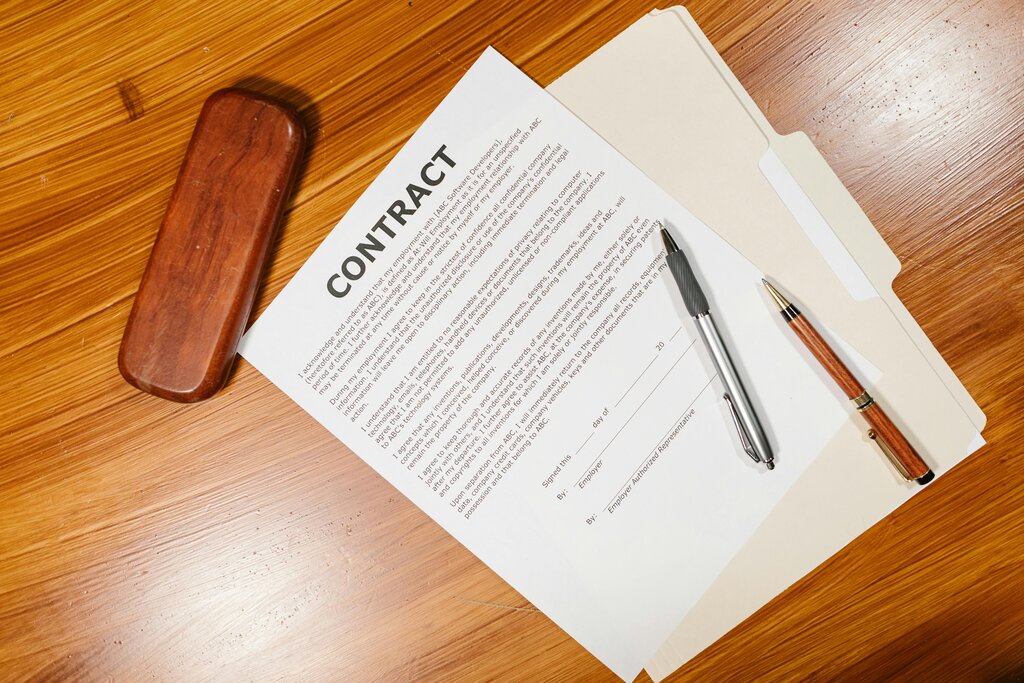
A freelance contract is a formal agreement between you and your client. Think of it as a roadmap for your project. It outlines exactly what work you'll do, when it's due, and how you'll get paid. Its main job is to make sure everyone is on the same page before any work begins.
A freelance contract is the foundation of a successful client relationship.
Without a contract, expectations can get blurry. The client might assume a project includes more revisions than you planned for, or you might disagree on when a payment is due. A clear, written agreement removes guesswork and protects both you and the client from potential misunderstandings. It’s a sign of professionalism that builds trust from the start.
What Goes Inside
Every freelance contract should cover a few key areas. While the specifics will change from project to project, these components are non-negotiable.
Scope of Work
noun
This section details all the work you'll deliver. It should be specific. Instead of saying "write a blog post," say "write one 1,200-word blog post on topic X, including two rounds of revisions."
A well-defined scope prevents "scope creep," which is when a project slowly expands beyond its original goals. Be sure to include deliverables (the final products), timelines for each milestone, and the number of revisions included in the price.
Being crystal clear about the scope of work protects you from doing extra work for free and ensures your client knows exactly what to expect.
Next up are the payment terms. This is where you specify your rate, the total project cost, and the payment schedule. A common approach is to request a deposit upfront (like 50%) and the remainder upon completion. For larger projects, you might break payments into multiple milestones.
Many freelancers get burned by unclear payment schedules—never skip this section.
This section should also outline your accepted payment methods (e.g., bank transfer, online payment service) and, crucially, a clause for late payments. A typical late fee is a small percentage of the overdue amount, applied after a grace period like 15 or 30 days. This encourages timely payment and gives you recourse if a client is late.
| Component | What it Covers |
|---|---|
| Scope of Work | Deliverables, timeline, revisions |
| Payment Terms | Rate, total cost, schedule, late fees |
| IP Rights | Who owns the final work |
| Termination | How either party can end the contract |
Finally, every contract needs to address intellectual property (IP) rights. This clause determines who owns the work you create. Usually, the client gains full ownership of the final, approved work once you've been paid in full. Before that final payment, the rights typically remain with you.
Making It Official
Once you and your client agree to the terms, you both sign the contract. A signature makes the document legally enforceable. This doesn't mean you're planning for a lawsuit; it means you have a formal, agreed-upon record to refer back to if questions or disagreements arise.
A contract isn't just about avoiding problems. It's about setting the stage for a smooth, professional, and successful collaboration. It shows you take your work seriously and respect your client's investment.
Ready to test your knowledge?
What is the primary purpose of a freelance contract?
Which section of a contract is specifically designed to prevent "scope creep"?
With these fundamentals in place, you're better prepared to create agreements that protect your business and foster great client relationships.