Drafting a Bulletproof Freelance Contract
Understanding Freelance Contracts
The Project Roadmap
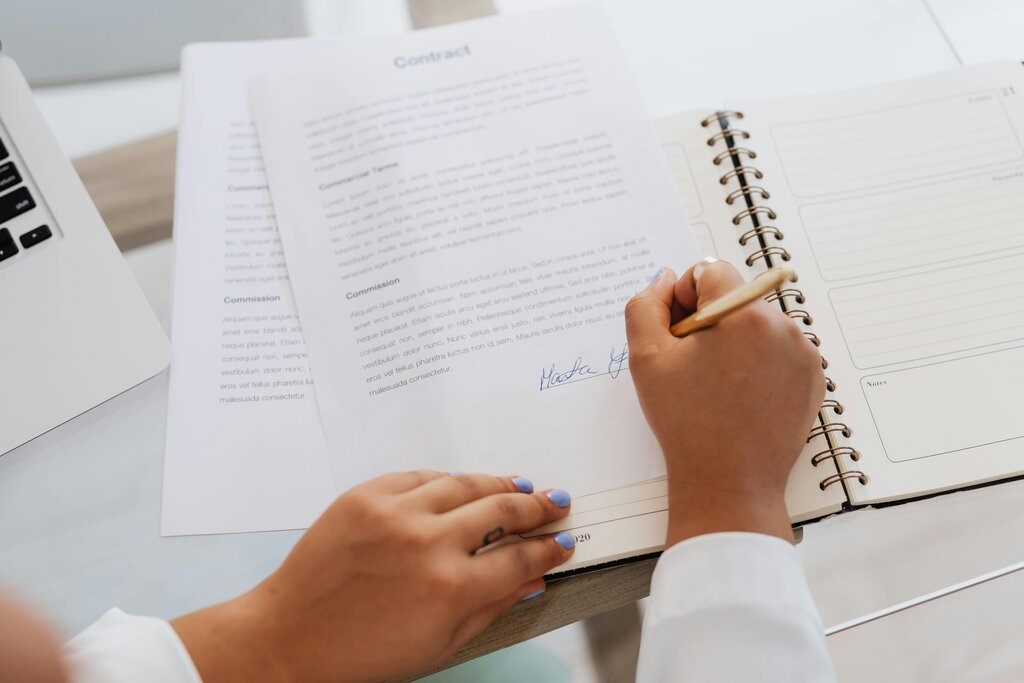
A freelance contract isn't just a stuffy legal document. Think of it as a roadmap for your project. It's a clear, written agreement between you and your client that outlines what's going to happen, when it will happen, and how you'll get paid. Its main job is to get everyone on the same page before any work begins.
A freelance contract is the foundation of a successful client relationship.
Even a simple agreement can save you from future headaches. It builds trust and shows your client that you're a professional who values clarity. You don't need a law degree to create one. You just need to cover the basics.
What Goes Inside
A good contract answers three big questions: What are you doing? When is it due? And how much does it cost? Let's break those down.
Scope of Work: This section details exactly what you will deliver. Be specific. Instead of "write a blog post," try "write one 1,200-word blog post on the topic of sustainable gardening, including two rounds of revisions." This clarity helps prevent "scope creep," where a project slowly gets bigger without any change in pay.
Being precise about the scope protects both you and the client. You know exactly what's expected, and the client knows exactly what they're getting.
Payment Terms: This part covers the money. State your total fee or hourly rate clearly. It should also explain when you get paid. Common options include 50% upfront and 50% on completion, or payment upon hitting certain project milestones. Also, mention how you expect to be paid (e.g., bank transfer, online payment system) and what happens if a payment is late.
Deadlines: Every project needs a timeline. Your contract should list the final due date for the project. If it's a larger project, you can also include deadlines for smaller milestones, like a first draft or a design mockup. This keeps the project moving forward and ensures everyone is aligned on the schedule.
Why Bother with a Contract?
Taking the time to create a contract offers powerful benefits. It's a safety net for your business and a tool for building strong client relationships.
A written agreement prevents misunderstandings. When everything is spelled out, there's no room for confusion about deliverables or deadlines. It turns a vague conversation into a concrete plan.
Most importantly, it ensures you get paid for your work. A contract is a legally binding document that outlines the payment you are owed. It gives you a clear course of action if a client fails to pay on time.
Ultimately, a contract is about setting expectations. It establishes you as a professional and gives your client the confidence that their project is in good hands.
Time to review what we've covered.
What is the primary function of a freelance contract?
A good contract should answer three fundamental questions about the project. Which of the following is NOT one of those core questions?
Having a solid contract is a fundamental step in building a successful freelance career.