Downhill Bike Fork Development 2025
Introduction to Downhill Forks
The Front Line of Defense
When you're flying down a rough trail, your fork is the first thing that meets the chaos. It's the suspension system for your front wheel, and it has two critical jobs: absorbing impacts from rocks and roots, and keeping your tire glued to the ground. Without a good fork, your ride would be brutally jarring, and you'd lose the ability to steer or brake effectively when you need it most.
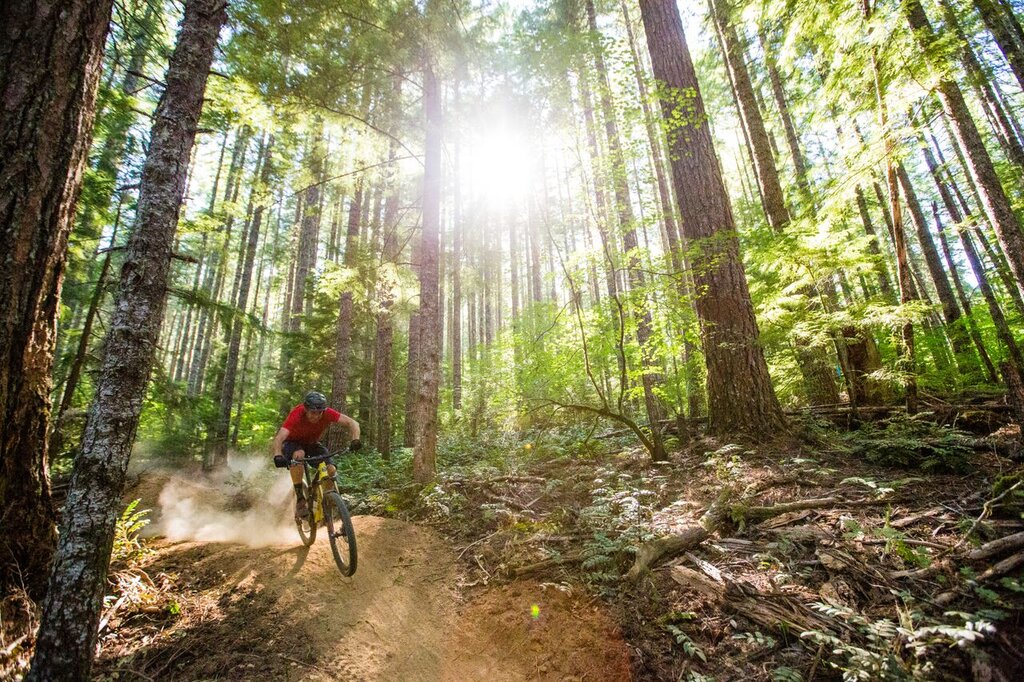
Good traction means control. The fork works to keep the front wheel in constant contact with the trail, even when the surface is uneven. This ensures you can carve turns and grab the brakes with confidence.
Anatomy of a Fork
At a glance, a fork looks like two tubes holding your front wheel. But it's a bit more complex than that. Let's break down the main external parts.
The main parts you see are:
- Stanchions: These are the upper tubes of the fork, which are typically gold, black, or silver. They slide into the lower part of the fork as the suspension compresses. Their surfaces are made incredibly smooth to reduce friction.
- Lowers: Also called sliders, these are the larger, outer tubes that hold the front axle and your wheel. They slide up and down along the stanchions.
- Crown: This is what connects the stanchions to the steerer tube. Downhill forks use a dual-crown setup, with one crown at the top of the head tube and another at the bottom. This makes the entire front end much stronger and stiffer, which is essential for handling the massive forces of downhill riding.
- Steerer Tube: This tube extends from the top crown, passes through the bike's frame (the head tube), and connects to your stem and handlebars.
The Inner Workings
Inside the fork legs are two key systems working together: a spring and a damper.
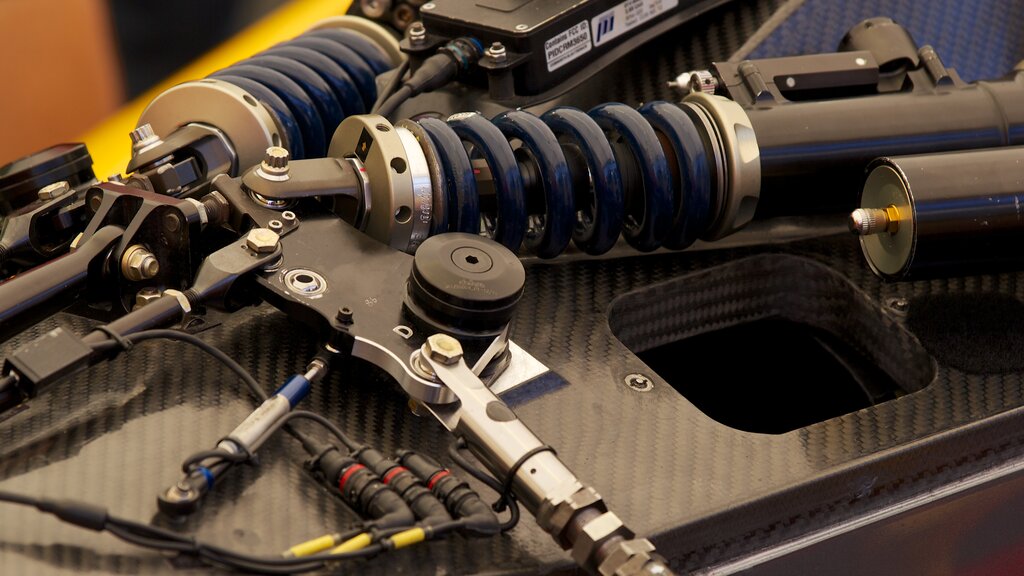
The spring is what holds you up and absorbs the force of an impact. When you hit a rock, the spring compresses. After the bump, it extends back to its original length. This can be either a physical coil spring made of steel or an air spring, which is a chamber of pressurized air. Think of the spring as the fork's muscle.
The damper controls the speed of the spring. Without it, the fork would act like a pogo stick, bouncing uncontrollably after every hit. The damper uses oil forced through small, precise openings (called ports or circuits) to slow down the compression and rebound. This keeps the wheel tracking the ground smoothly, giving you a controlled, predictable ride. The damper is the fork's brain.
Geometry and Travel
Two final concepts are crucial for understanding downhill forks: geometry and travel.
Fork geometry, specifically the head tube angle, has a huge impact on how a bike handles. Downhill forks create a "slack" head tube angle, meaning the fork is angled out in front of the bike more than on a typical mountain bike. This makes the bike more stable at high speeds and on steep descents, preventing that scary feeling of going over the handlebars. The trade-off is that it can make steering feel slow and floppy on flat ground or climbs.
Travel is the maximum distance the fork can compress. It's a measure of how big of a hit the fork can absorb. For downhill bikes, travel is typically very long, usually around 200 millimeters (about 8 inches). This massive amount of travel allows the bike to soak up huge drops, rock gardens, and jumps without transferring all that force to the rider.
More travel allows the bike to handle bigger impacts, while a slacker angle provides more stability for steep, fast descents.
Now that you know the basics of how a fork works, you're ready to learn about how to adjust it to suit your needs.
What are the two critical jobs of a mountain bike fork?
Which component of the fork is responsible for controlling the speed of compression and rebound to prevent a 'pogo-stick' effect?