Dostoevsky's Underground Man Explained
Introduction to Dostoevsky
A Life of Extremes
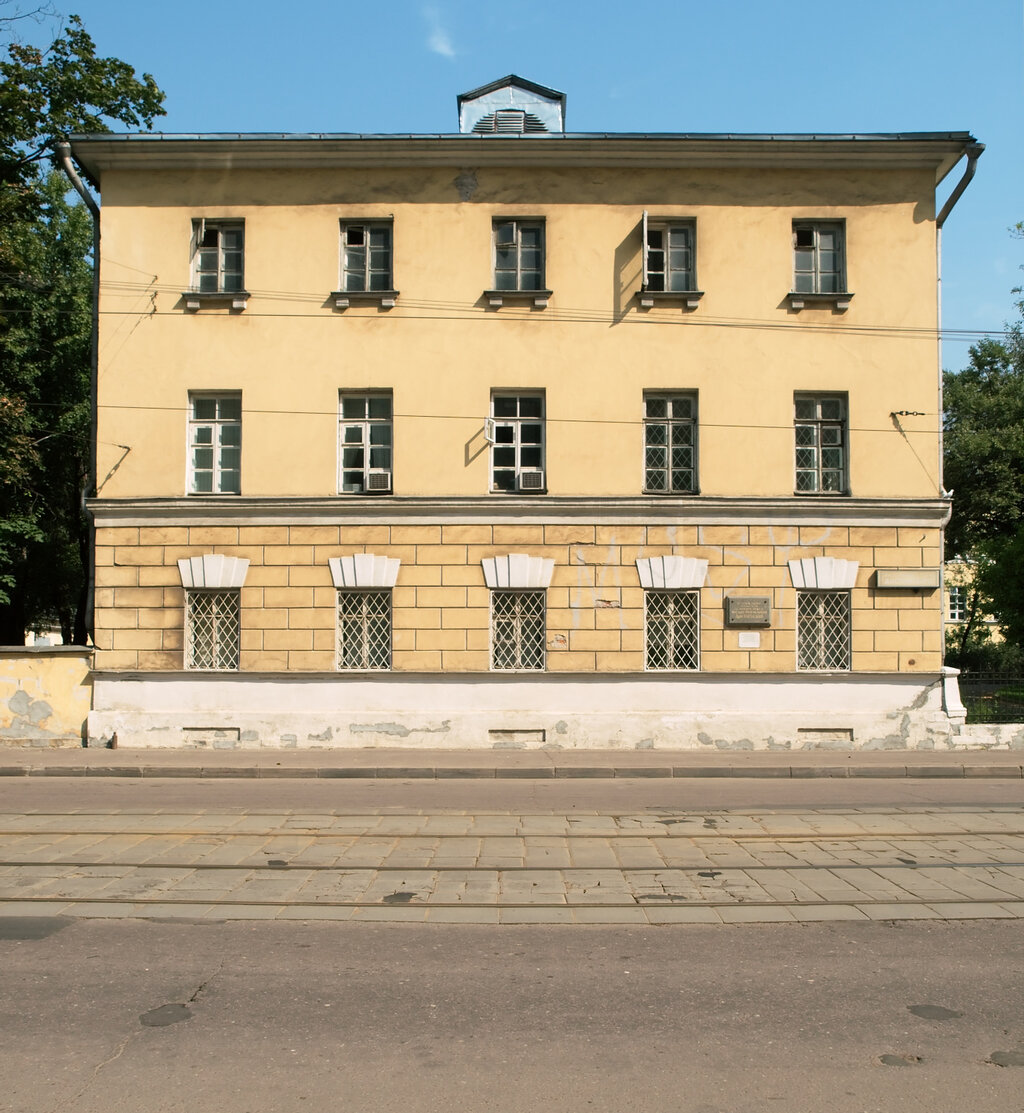
Fyodor Dostoevsky was born in Moscow in 1821, the second of seven children. His father was a doctor at the Mariinsky Hospital for the Poor, and the family lived on the hospital grounds. This environment exposed a young Dostoevsky to a side of life many others were shielded from: the suffering and poverty of the city's lower classes. It was a world he would return to again and again in his writing.
Though he trained as a military engineer, his heart was in literature. After a brief career, he resigned his commission to write full-time. His first novel, Poor Folk, was a critical success. It seemed he was on a clear path to literary fame.
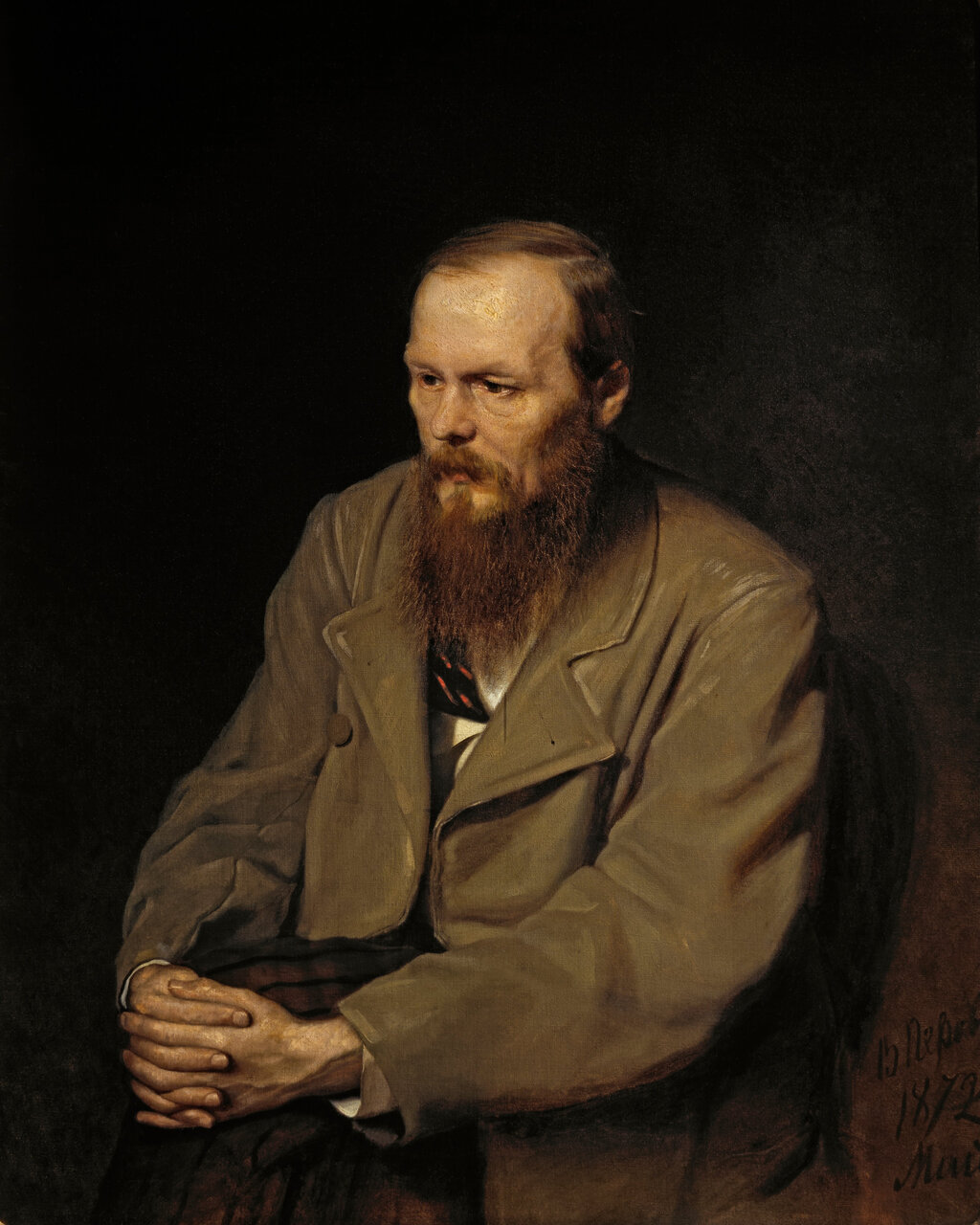
But his life took a dramatic turn. In 1849, he was arrested for being part of a literary group that discussed radical Western philosophy. He and his fellow members were sentenced to death. They were led before a firing squad, blindfolded, and prepared for their end. At the last possible moment, a messenger arrived with a pardon from the Tsar. The execution had been a sham, a cruel psychological torture.
This near-death experience became the defining moment of Dostoevsky's life. He was sent to a Siberian labor camp for four years, followed by six years of compulsory military service in exile. The intense suffering and the faith of the common convicts he met in prison profoundly changed him. He emerged a different man, with a renewed, complex Christian faith and a deep conviction that the deepest truths of human existence are found not in reason, but in suffering and spiritual struggle.
Russia in Turmoil
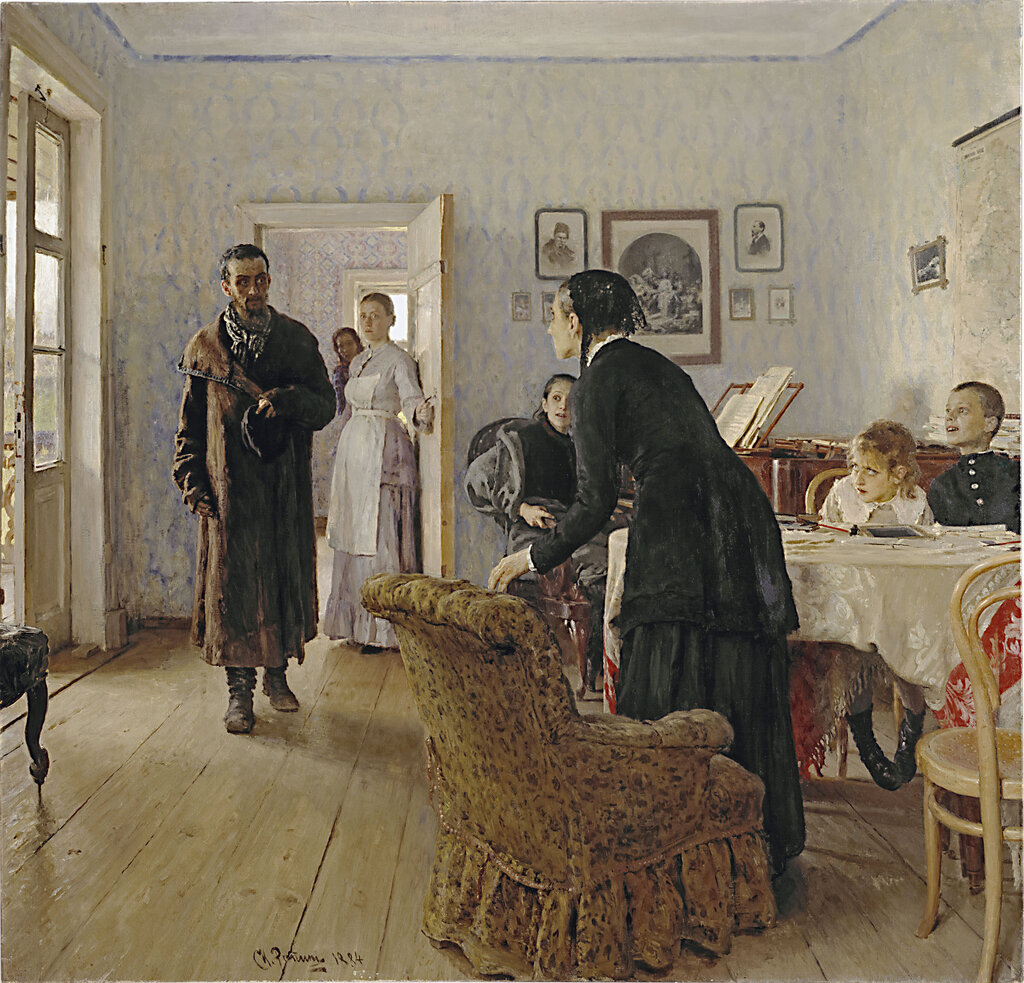
To understand Dostoevsky, you have to understand the Russia he lived in. The 19th century was a time of immense social and political upheaval. The country was ruled by an absolute monarch, the Tsar, and most of the population were serfs, essentially agricultural slaves tied to the land they worked. This rigid social structure was beginning to crack.
New ideas flooded in from Western Europe: socialism, atheism, materialism, and nihilism. Russia's educated class, the intelligentsia, passionately debated these philosophies. They argued about the future of their country. Should Russia modernize and become more like Europe, or should it find its own unique path, rooted in its Orthodox Christian traditions?
intelligentsia
noun
A class of educated and intellectual people, especially in Russia, who were influential in shaping the culture and politics of their time.
This clash of ideas forms the backdrop for all of Dostoevsky’s work. His novels are battlegrounds where characters, each representing a different philosophical position, fight for their vision of the world. He was deeply critical of the new radical ideas, fearing they would lead to moral chaos and tyranny if they severed their roots from Christian morality.
The Great Novels
After his return from Siberia, Dostoevsky entered his most productive period, writing the novels that secured his legacy. These are not easy reads. They are sprawling, philosophical, and intensely psychological.
Crime and Punishment (1866) tells the story of Raskolnikov, a poor student who decides to murder a pawnbroker to test his theory that extraordinary men are above the law. The novel is a masterclass in psychological suspense, tracing Raskolnikov's mental anguish after the crime.
The Idiot (1869) is Dostoevsky's attempt to portray a "positively good man." Prince Myshkin is a Christ-like figure whose innocence and compassion clash with the corrupt, cynical society of St. Petersburg.
Demons (1872), also known as The Possessed, is a fiercely political novel. It explores the destructive consequences of revolutionary nihilism, as a group of radical thinkers in a provincial town descend into chaos and violence.
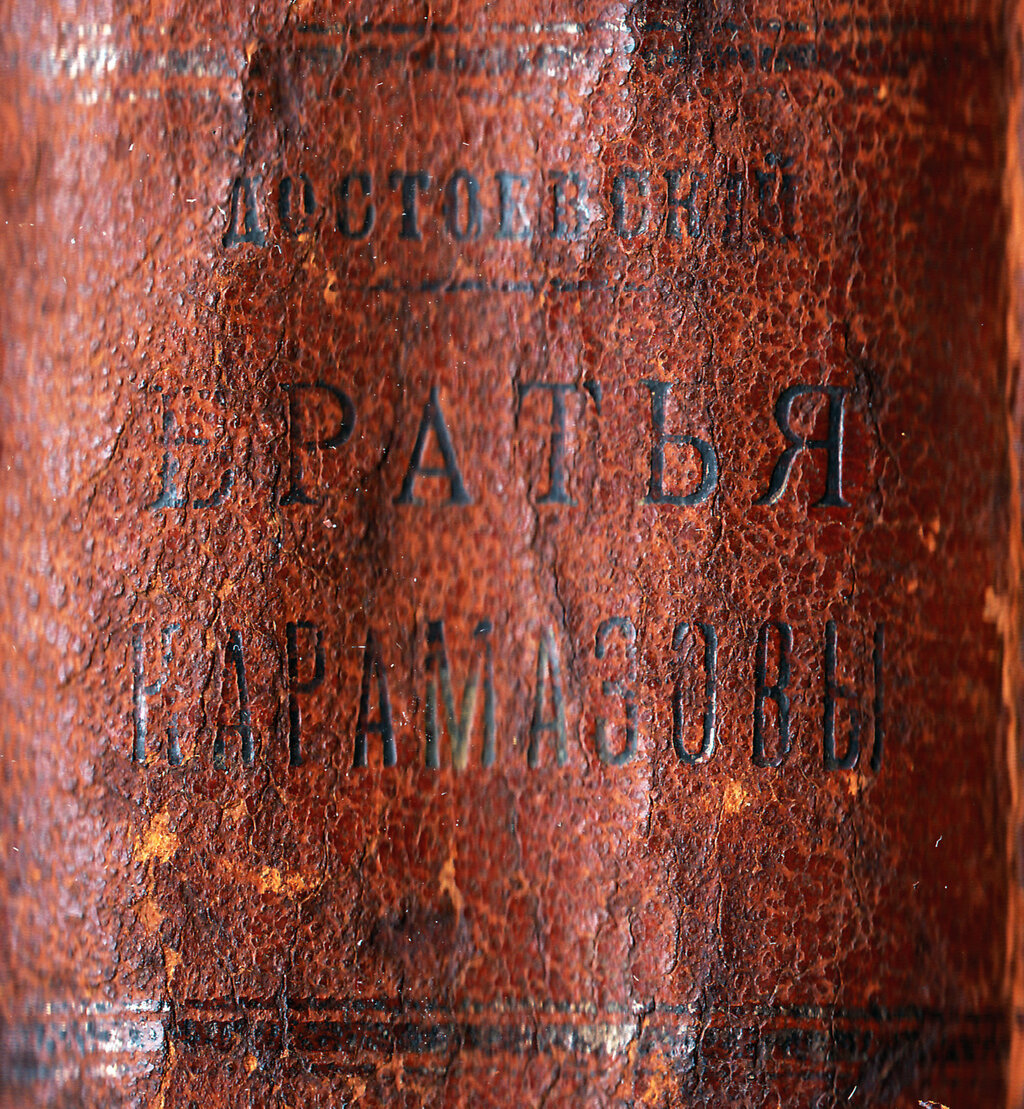
The Brothers Karamazov (1880) was his final and greatest work. It's a massive family saga that wrestles with the ultimate questions of faith, doubt, free will, and the existence of God. The story of three brothers and their corrupt father becomes a stage for some of the most profound spiritual debates ever put to paper.
Dostoevsky's life and work are intertwined. His experiences with poverty, political intrigue, and profound suffering gave him a unique insight into the darker corners of the human heart and the enduring power of faith. His novels are not just stories; they are deep explorations of the human condition.