Dostoevsky on the Good Life
Introduction to Dostoevsky's Life and Works
A Life of Extremes
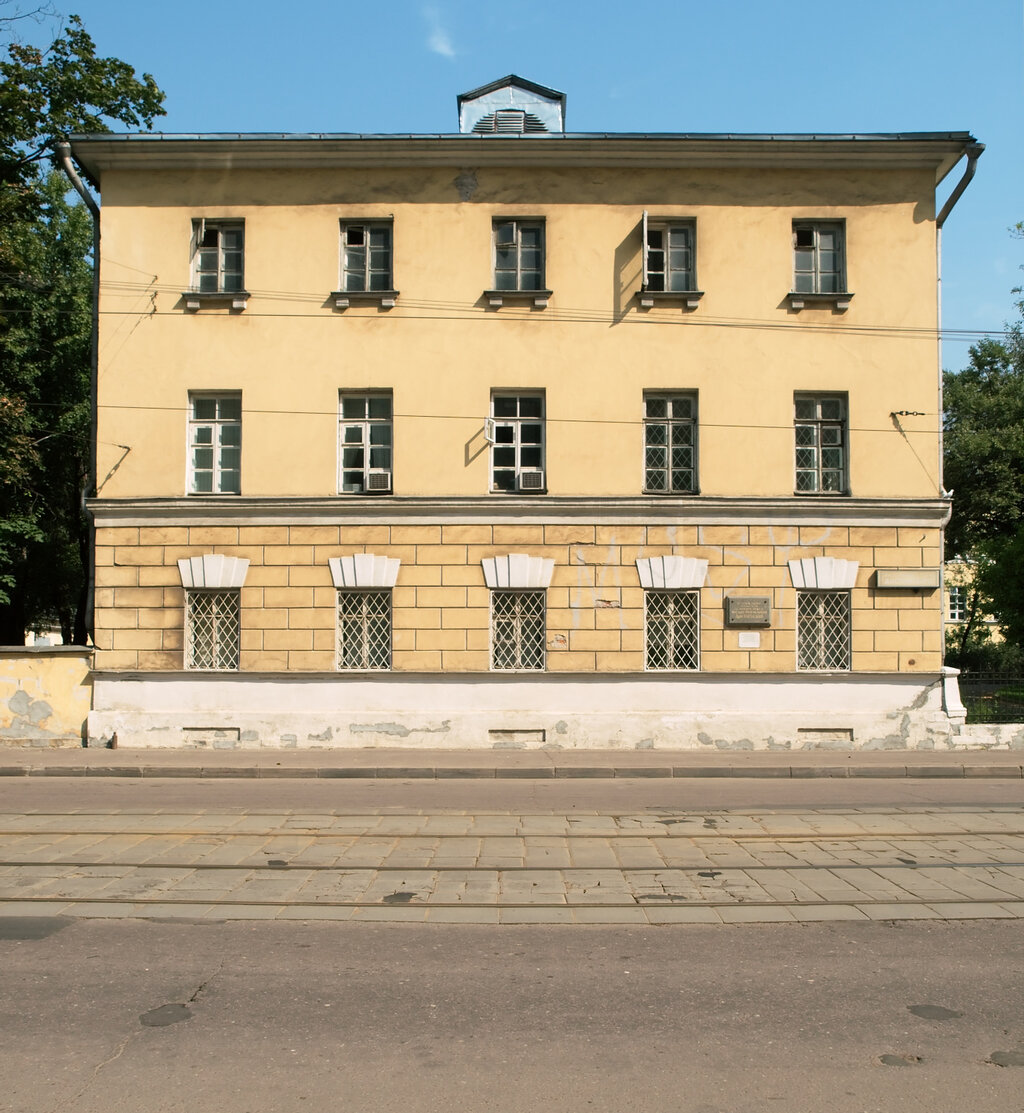
Fyodor Dostoevsky's life was as dramatic as any of his novels. Born in Moscow in 1821, he grew up on the grounds of the Mariinsky Hospital for the Poor, where his father worked as a doctor. This early exposure to sickness, poverty, and death left a lasting mark on him, offering a window into the raw struggles of everyday people.
His family life was strict and deeply religious. Though his path seemed set for a stable career when he was sent to study military engineering in St. Petersburg, Dostoevsky's passion was literature. He despised the rigid world of mathematics and drills. Shortly after graduating, he resigned his commission to become a full-time writer.
His first novel, Poor Folk (1846), was an immediate sensation. The influential critic Vissarion Belinsky hailed him as the next great Russian writer. For a young man in his early twenties, it was a dizzying success. He was welcomed into the top literary circles of the capital. But this early fame was short-lived, and a much darker chapter was about to begin.
Trial by Fire
In 19th-century Russia, the political climate under Tsar Nicholas I was one of strict censorship and suspicion. Dostoevsky became involved with the Petrashevsky Circle, a group of young intellectuals who met to discuss Western philosophy and banned books, including works on utopian socialism.
In 1849, the group was arrested. After months in prison, Dostoevsky and others were sentenced to death by firing squad. They were led out into a freezing public square, dressed in execution shrouds, and a priest offered them last rites. The first three prisoners were tied to the stake. Just as the soldiers raised their rifles, a messenger from the Tsar arrived with a commutation of their sentences. The entire event was a staged mock execution, a cruel psychological torture designed to break their spirits.
This near-death experience profoundly changed Dostoevsky. It became a central event in his life and work, deepening his obsession with questions of faith, free will, and the meaning of suffering.
Instead of death, Dostoevsky was sentenced to four years of hard labor in a Siberian prison camp, followed by six years of compulsory military service in exile. In Siberia, his only reading material was the New Testament. This period gave him an intimate look at the lives of hardened criminals and a new, more complex understanding of good and evil.
The Great Novels
When Dostoevsky finally returned to St. Petersburg in 1859, he was a different man. His experiences in prison and exile provided the raw material for the masterpieces he would write over the next two decades. He channeled his insights into human psychology, morality, and spirituality into a series of novels that cemented his place as one of the world's greatest writers.
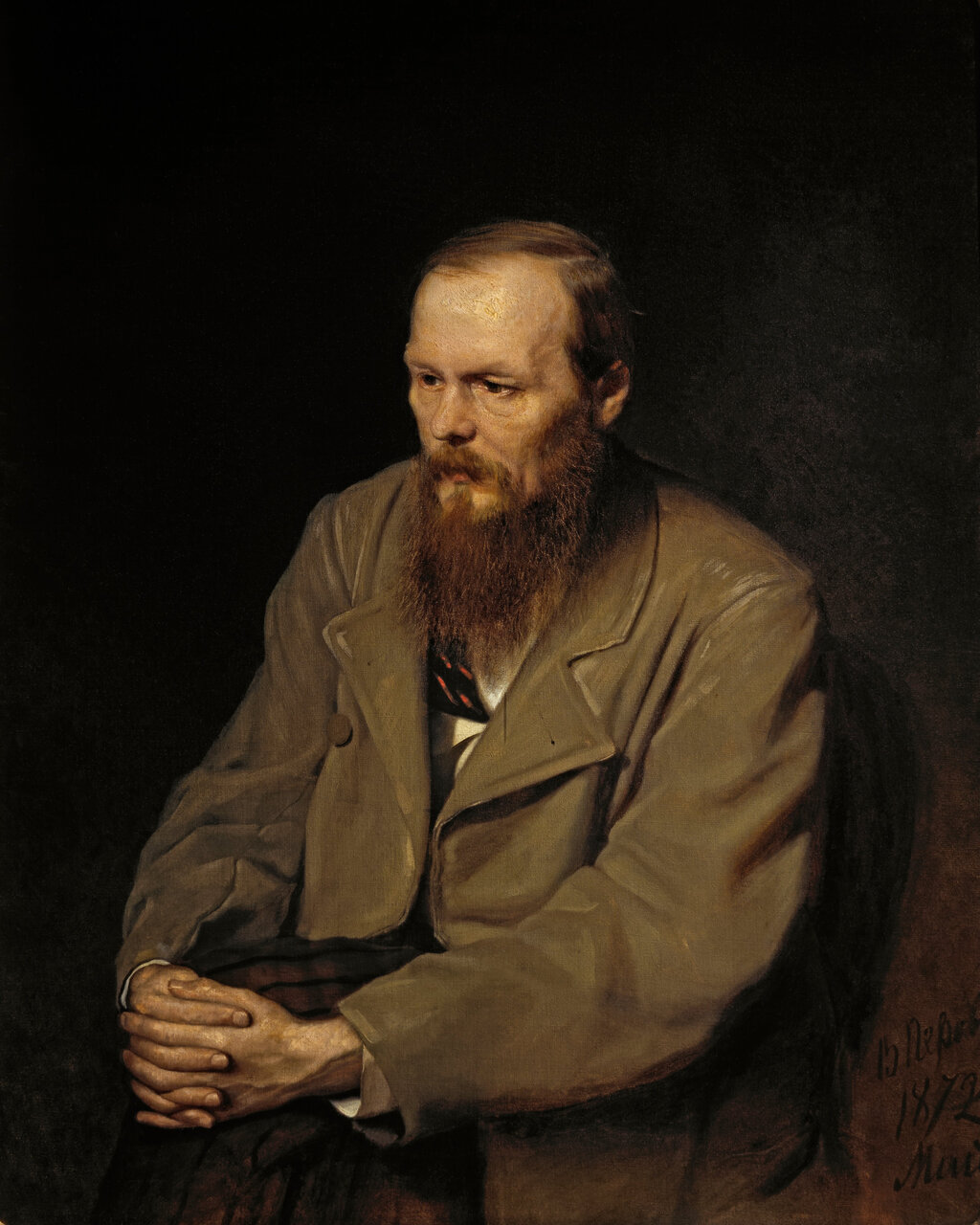
His major works explore the turbulent inner lives of their characters, often pushing them to philosophical and emotional extremes. This period marked a powerful shift from the social commentary of his early work to the deep psychological and spiritual questions that define his legacy.
| Year | Major Work |
|---|---|
| 1864 | Notes from Underground |
| 1866 | Crime and Punishment |
| 1869 | The Idiot |
| 1872 | Demons |
| 1880 | The Brothers Karamazov |
These novels weren't just stories; they were philosophical battlegrounds. Dostoevsky wrestled with the growing influence of atheism, socialism, and rationalism in Russia, using his characters to explore the consequences of these new ideas on the human soul. He died in 1881, shortly after the publication of his final and arguably greatest novel, The Brothers Karamazov.
Ready to check your understanding of Dostoevsky's life and work?
What was the profession of Dostoevsky's father, which exposed the young author to sickness and poverty?
Dostoevsky was arrested and sentenced to death for his involvement with the Petrashevsky Circle, a group that discussed ____.
His life's journey from literary prodigy to political prisoner and, finally, to world-renowned novelist provides the essential backdrop for understanding the profound depth of his work.