Door Supervisor Essentials
Introduction to Private Security Industry
The Private Security Industry
When you think of private security, you might picture a bouncer at a nightclub. That's part of it, but the industry is much broader. It includes security guards at shopping centres, officers protecting corporate buildings, and staff managing crowds at large events. The private security industry is a vital part of keeping the public safe.
In the UK, this isn't an informal job. It's a professional and regulated field. To work in many security roles, you need specific training and a license. This ensures that security personnel meet high standards of conduct and skill.
The Law of the Land
For a long time, the private security industry was largely unregulated. This led to inconsistent standards and concerns about public safety. To fix this, the UK government introduced a key piece of legislation: the Private Security Industry Act 2001.
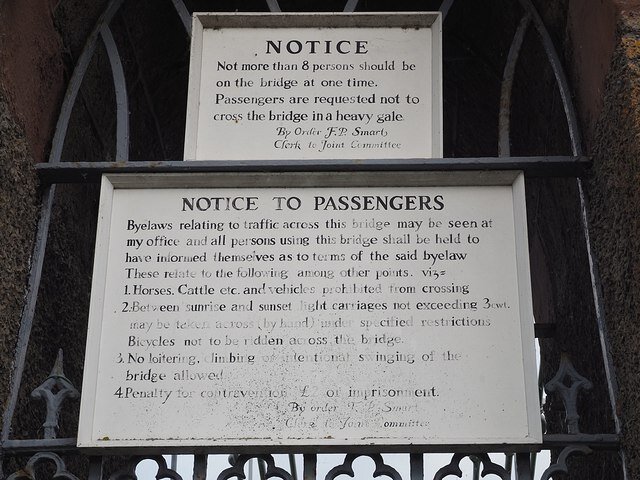
This Act was a game-changer. It set out to professionalise the industry by establishing a compulsory licensing system for individuals working in specific security roles. Its main goal was to raise standards and build public trust in security professionals.
The Act's primary purpose is to regulate the private security industry and reduce criminality, while also raising standards and increasing public confidence.
The Security Industry Authority (SIA)
The 2001 Act created a new organisation to oversee the industry: the Security Industry Authority, or SIA. The SIA is the official regulator for the UK's private security sector. You can think of it as the gatekeeper for the profession.
What does the SIA do? Its main functions are:
- Licensing: The SIA issues licenses to individuals who have the right training and have passed criminal record checks. It's illegal to work in a licensable security role without an SIA licence.
- Setting Standards: The SIA sets and approves the standards of training and professional conduct that security operatives must meet.
- Maintaining a Register: It keeps a public register of all licensed individuals and approved contractors.
The SIA's work is crucial. It ensures that only qualified and suitable people are entrusted with protecting people and property.
The Role of a Door Supervisor
A door supervisor is one of the most visible roles in the security industry. Their primary responsibility is to ensure the safety and security of people within a licensed venue, such as a bar, club, or event. This goes far beyond just checking IDs.
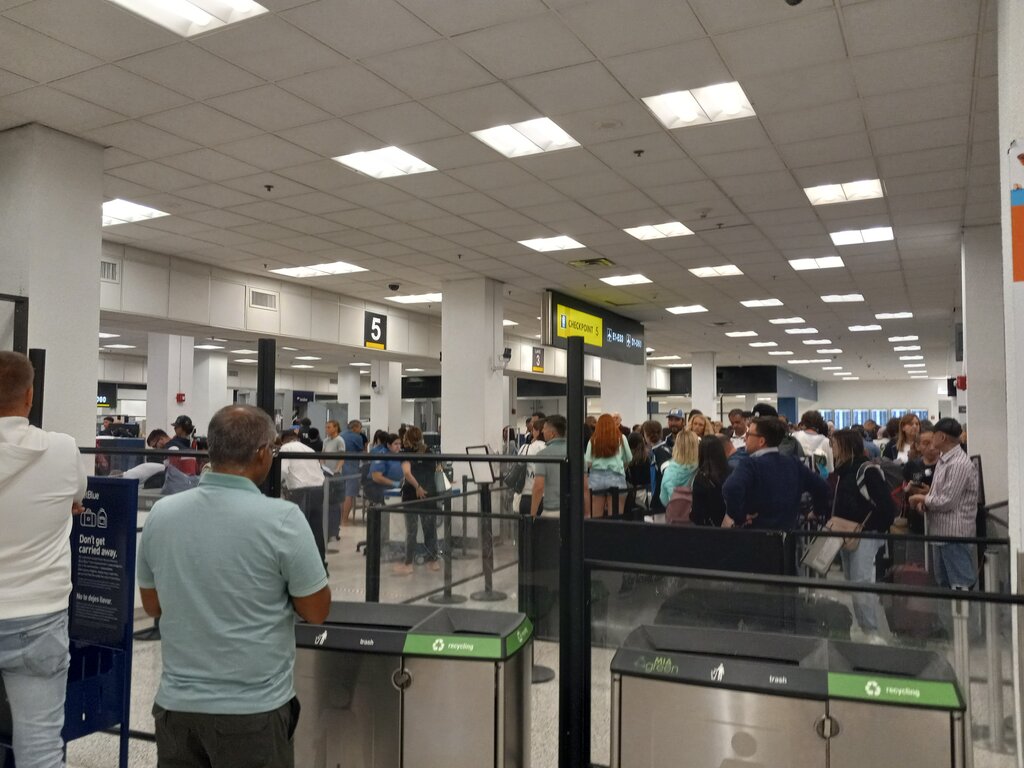
Key responsibilities include:
- Screening entrants: Deciding who is suitable to enter the premises, based on criteria like age, intoxication level, and attitude.
- Maintaining order: Patrolling the venue to prevent trouble from starting and de-escalating situations when they arise.
- Public safety: Assisting customers, ensuring emergency exits are clear, and being the first point of contact in an emergency.
A door supervisor must be observant, calm under pressure, and an excellent communicator. They are there to prevent conflict, not to start it.
Professional and Ethical Conduct
Because security operatives often deal with the public in challenging situations, their professional conduct is extremely important. The SIA sets out clear expectations for behaviour. These aren't just suggestions; they are core requirements of the job.
Ethical standards include being honest, acting with integrity, and treating all people with respect and dignity, regardless of the situation. A security professional must remain impartial and never abuse their position of authority. They must also respect privacy and maintain confidentiality when required.
Upholding these standards is essential for building trust with the public, colleagues, and employers. It's what separates a professional security operative from a simple guard.
What was the primary goal of the Private Security Industry Act 2001?
Which organisation is responsible for regulating the private security industry and issuing licences in the UK?
You've now learned about the framework of the private security industry in the UK. This professional field is built on a foundation of law, regulation, and high ethical standards.