Donald Trump and the Modern Political Landscape
Populism and Norm Disruption
A Campaign of Disruption
The 2016 presidential campaign was unlike any other in modern American history. It marked the arrival of a political force that intentionally broke with established norms. Donald Trump’s campaign tapped into a deep well of public discontent, mobilizing an electorate that felt ignored by the political establishment in Washington, D.C.
At the heart of this strategy was a powerful anti-establishment message. The slogan "Drain the Swamp" became a rallying cry, encapsulating a promise to purge the federal government of career politicians and lobbyists. This message resonated with voters who believed the system was rigged against them by a corrupt elite. It was a classic populist appeal, pitting the virtuous, hard-working people against a self-serving establishment.
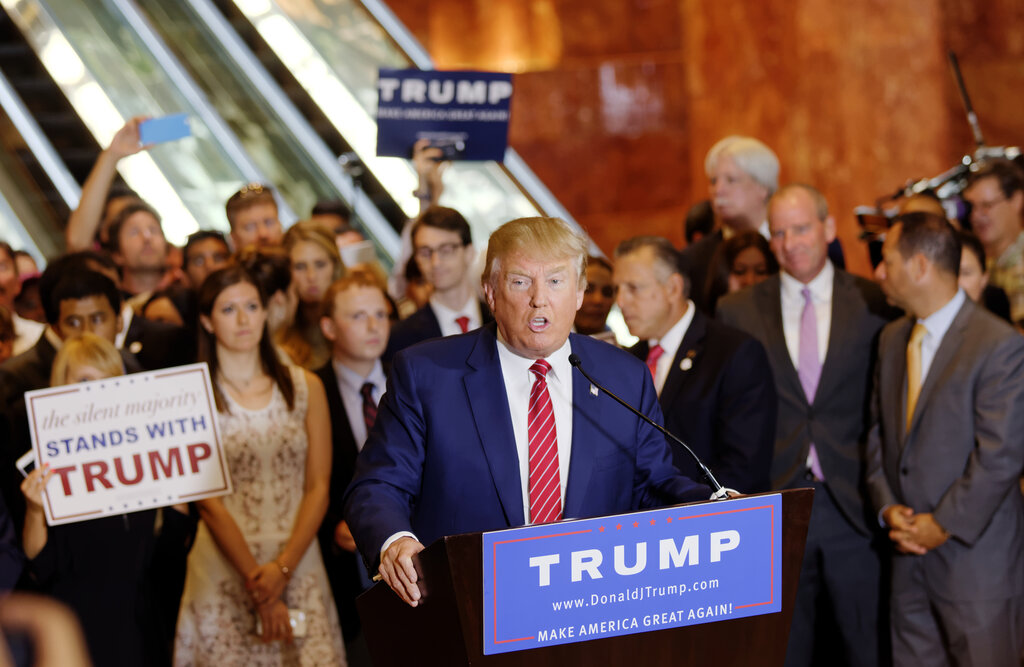
This wasn't just about policy differences. It was a direct assault on the institutions and norms that had governed American politics for decades. The campaign framed both the Democratic Party and the traditional Republican establishment as part of the same problem, creating a narrative where an outsider was needed to bring radical change.
When Donald Trump was campaigning for president, he all but promised to be a rule-breaking, norm-busting leader.
The 'America First' Message
Trump's rhetoric represented a significant shift from the more coded language often used in politics. For years, some politicians used "dog whistles"—subtle phrases that communicate a specific message to a target audience while remaining obscure to others. Trump abandoned this subtlety in favor of direct, explicit messaging.
His platform was built on a foundation of nativist nationalism, which prioritizes the interests of the native-born population over those of immigrants. This was embodied in the "America First" slogan. This ideology stood in stark contrast to globalism, the idea that economies and societies are increasingly interconnected and that international cooperation is essential. The campaign framed global trade deals, alliances, and immigration as threats to American jobs and national identity.
This direct approach energized his base by speaking to their frustrations in plain, unfiltered language, while critics argued it normalized xenophobic and isolationist sentiments.
Redefining the Media Landscape
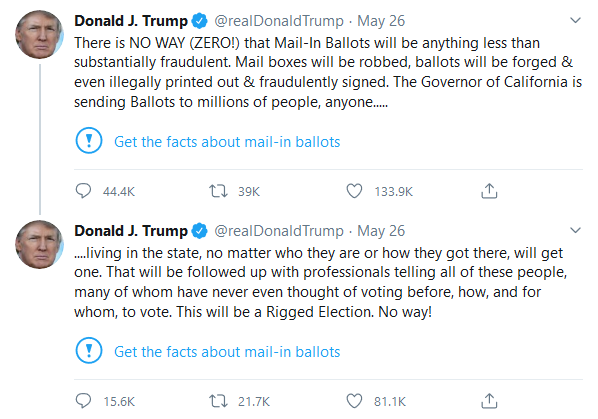
A key part of the 2016 campaign was a two-pronged strategy for managing the media. First, the campaign largely bypassed traditional news organizations. Using social media, particularly Twitter, Trump could communicate directly with his supporters, unfiltered by journalistic analysis or fact-checking. This allowed him to control the narrative and instantly respond to opponents or news coverage he disliked.
The second prong was to actively delegitimize established media outlets. By labeling critical news stories as "fake news," the campaign sought to erode public trust in journalism. This tactic reframed the Fourth Estate—the press acting as a watchdog for the public—from a pillar of democracy into an enemy of the people and a biased political actor. This had a lasting impact on how many Americans consume and trust information.
Let's review the core concepts from this section.
Now, check your understanding of how these strategies reshaped the political landscape.
What was the central idea behind the slogan "Drain the Swamp" during the 2016 campaign?
How did Donald Trump's campaign use of rhetoric differ from the traditional political practice of using "dog whistles"?
The 2016 campaign set a new precedent for political communication and strategy. By combining populist anger with direct messaging and a sustained critique of established institutions, it fundamentally altered the rules of American politics.