Domina el Ring: De Novato a Vencedor de Combate
Advanced Footwork
Beyond the Basics
You've already mastered the basic stance and the simple forward-and-back shuffle. Now it’s time to unlock the footwork that separates good boxers from great ones. Advanced footwork isn't just about moving faster; it's about moving smarter. It’s how you create opportunities to attack while making yourself a difficult target to hit.
The Power of the Pivot
Pivoting is your secret weapon for creating angles. It's a quick turn on the ball of your foot that allows you to change your line of attack or defense without losing your stance. By rotating your body, you can get out of your opponent's path and position yourself for a counter-punch, often before they realize what's happened.
There are two main types:
- Front-Foot Pivot: You rotate on the ball of your lead foot. This is great for creating an angle to land your rear hand. As your opponent comes forward, you can pivot away from their power hand and land your own.
- Rear-Foot Pivot: You turn on the ball of your back foot. This creates more space and is an excellent defensive move to escape corner pressure or evade a rushing opponent.
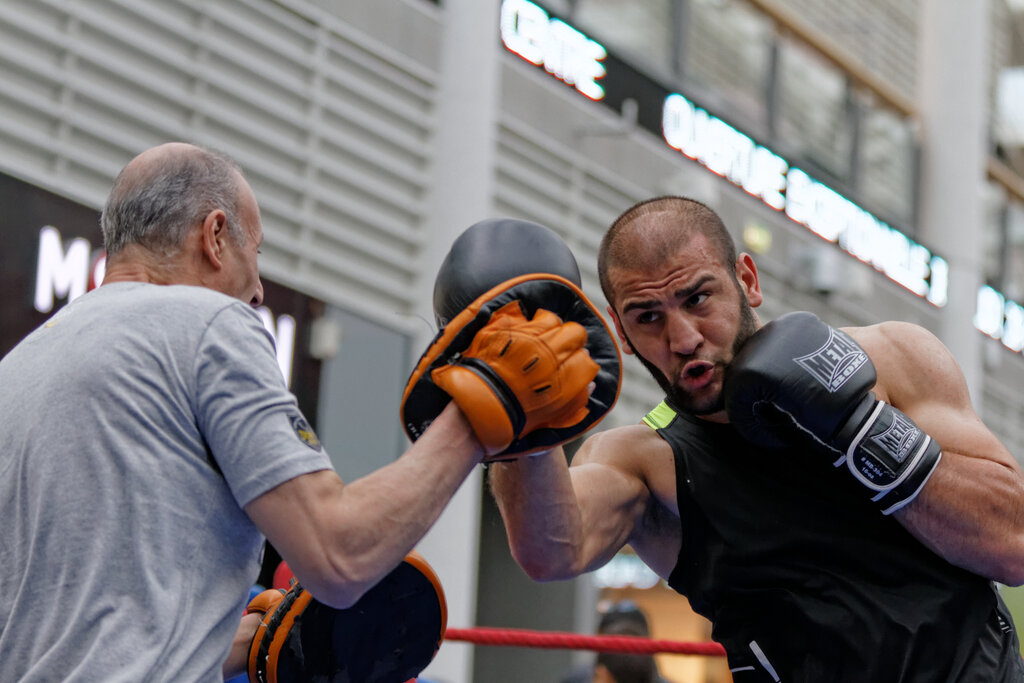
To practice, try the pivot-and-jab drill. Stand in your boxing stance. Throw a jab, and as you retract your arm, pivot 45 degrees on your front foot. Your rear foot will swing around naturally. Now you're facing a slightly different direction, ready to throw another punch from a new angle.
A good pivot can turn your opponent’s attack into your perfect opening.
Moving Side to Side
Constant lateral movement makes you an elusive, unpredictable target. Instead of just moving in and out, you’ll control the ring by moving left and right. This allows you to cut off your opponent's movement, forcing them where you want them to go, or to create escape routes when you're under pressure.
The key is to move without crossing your feet. If you're moving left, your left foot moves first, followed by your right. If you're moving right, your right foot leads. This ensures you're always in a balanced stance, ready to defend or attack.
A great way to train this is the box drill. Imagine a small square on the floor. Start in one corner. Shuffle forward to the next corner, then laterally to the third, backward to the fourth, and finally laterally back to where you started. Then, reverse the direction. This builds the muscle memory for smooth, multi-directional movement.
Putting It All Together
Pivots and lateral movement are the tools you use to create angles. An angle is a position where you can land a punch, but your opponent can't easily hit you back. It's the geometric sweet spot of boxing.
For an offensive angle, you might throw a jab and pivot to your left (if you're orthodox). You've now moved off the center line. Your opponent is still in front of where you were, while you have a clear line to their head or body for your next punch.
Defensively, if your opponent throws a big right hand, you can use a lateral shuffle to your left to move out of the way. Not only did you evade the punch, but you’re also in a prime position to counter while they are off-balance.
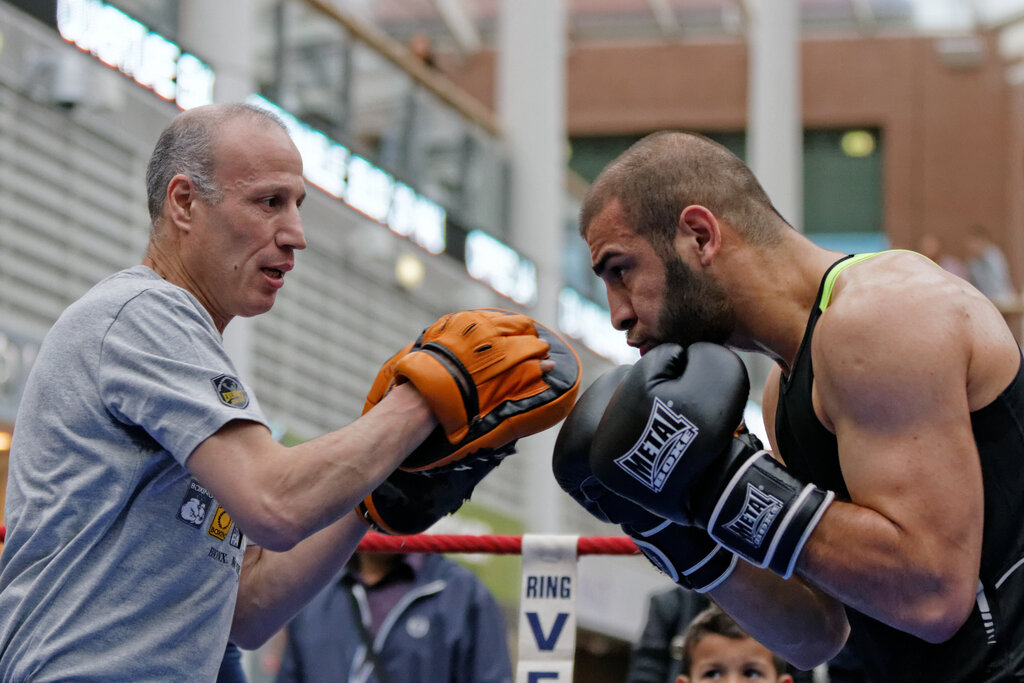
Ultimately, advanced footwork is about controlling distance. By combining pivots, shuffles, and small steps, you can keep your opponent at the end of your jab, smother their punches by moving in close, or create space to escape trouble. It transforms your feet from simple transportation into a strategic part of every exchange.
Ready to test your knowledge?
What is the primary strategic advantage of pivoting in boxing?
When moving laterally to your left (for an orthodox boxer), which foot should move first to maintain a balanced stance?
Mastering these movements will make you a more effective and intelligent fighter. Keep practicing, and soon this footwork will become second nature.