Domesticated Animals in Greek for Kids
Introduction to Greek Alphabet
The Greek Alphabet
Before we dive into Greek words, we need to start with the building blocks: the alphabet. Many of these letters might look familiar. After all, the word "alphabet" itself comes from the first two Greek letters, alpha and beta.
Learning these 24 letters is the most important first step. Once you know them, you can pronounce almost any Greek word you see. The Greek language is highly phonetic, which means the letters you see are the sounds you say. Let's get started.
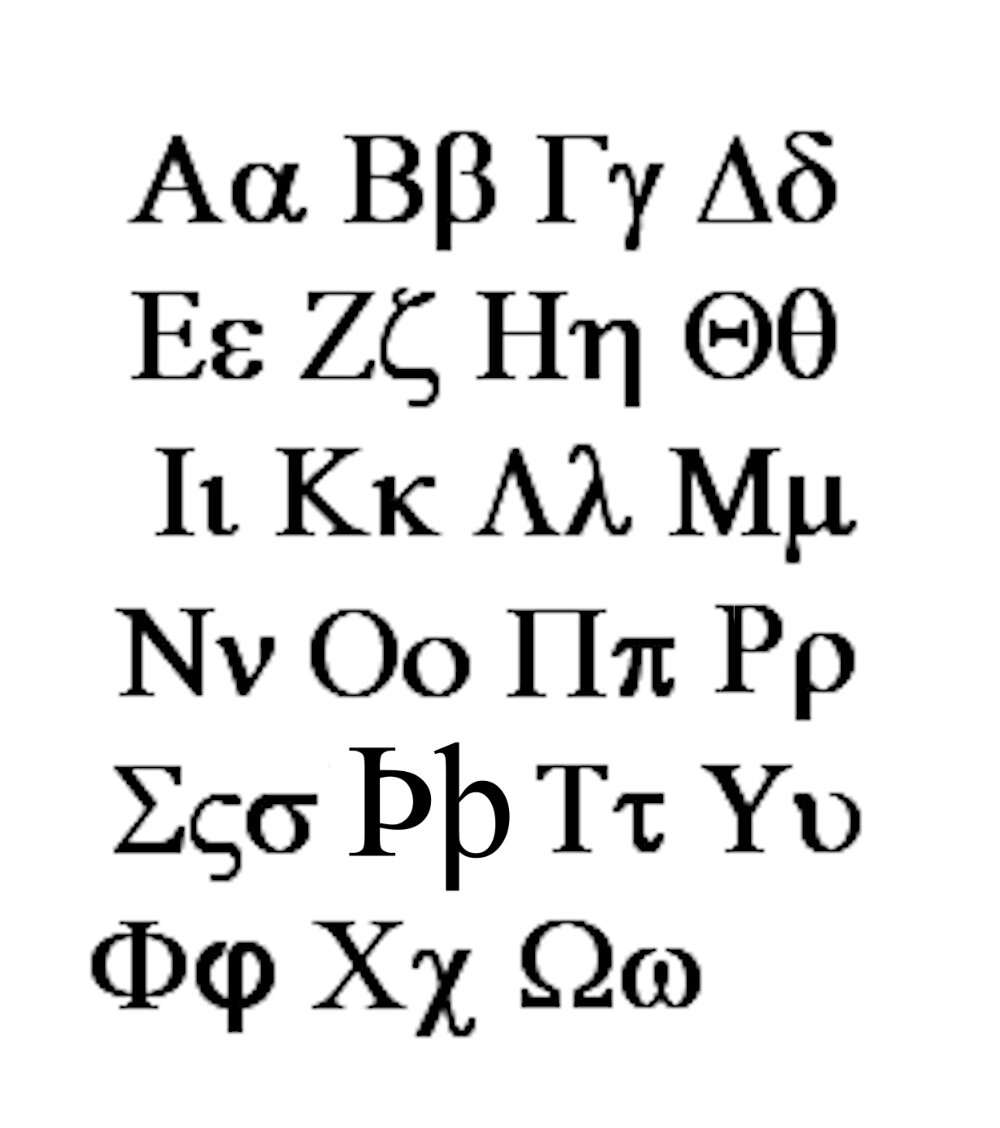
We can break the alphabet into three groups to make it easier to learn. First up are the letters that look and sound almost exactly like their English counterparts. You already know these.
| Letter | Name | Sound |
|---|---|---|
| Α α | Alpha (άλφα) | like the 'a' in apple |
| Β β | Beta (βήτα) | like the 'v' in vase |
| Ε ε | Epsilon (έψιλον) | like the 'e' in met |
| Ζ ζ | Zeta (ζήτα) | like the 'z' in zoo |
| Ι ι | Iota (ιώτα) | like the 'ee' in see |
| Κ κ | Kappa (κάππα) | like the 'k' in kite |
| Μ μ | Mu (μι) | like the 'm' in mom |
| Ν ν | Nu (νι) | like the 'n' in no |
| Ο ο | Omicron (όμικρον) | like the 'o' in open |
| Τ τ | Tau (ταυ) | like the 't' in top |
A quick note on Beta (β). In ancient Greek, it had a 'b' sound, but in modern Greek, it's a 'v' sound. This is a key difference to remember.
Next are the letters that look familiar but make a different sound than you'd expect. These are the trickiest ones, so pay close attention.
| Letter | Name | Sound (Not what it looks like!) |
|---|---|---|
| Η η | Eta (ήτα) | 'ee' as in see (like Iota) |
| Ρ ρ | Rho (ρω) | a rolled 'r' (like in Spanish) |
| Υ υ | Upsilon (ύψιλον) | 'ee' as in see (like Iota and Eta) |
| Χ χ | Chi (χι) | 'h' as in huge (a breathy sound) |
Finally, we have the letters that will likely look completely new. Take your time to get to know their shapes and sounds.
| Letter | Name | Sound |
|---|---|---|
| Γ γ | Gamma (γάμμα) | like the 'y' in yes before 'e' or 'i' sounds; otherwise a soft 'g' |
| Δ δ | Delta (δέλτα) | like 'th' in that |
| Θ θ | Theta (θήτα) | like 'th' in thin |
| Λ λ | Lambda (λάμδα) | like the 'l' in love |
| Ξ ξ | Xi (ξι) | like the 'x' in box |
| Π π | Pi (πι) | like the 'p' in pie |
| Σ σ/ς | Sigma (σίγμα) | like the 's' in snake. Use ς only at the end of a word. |
| Φ φ | Phi (φι) | like the 'f' in fun |
| Ψ ψ | Psi (ψι) | like 'ps' in lapse |
| Ω ω | Omega (ωμέγα) | like the 'o' in open (like Omicron) |
Vowels and Diphthongs
Greek has seven vowels: α, ε, η, ι, ο, υ, ω. As you saw, three of them (η, ι, υ) make the exact same 'ee' sound. The other two (ο, ω) both make an 'o' sound.
Sometimes, two vowels team up to create a single new sound. These pairs are called diphthongs. They are very common, and learning them now will make reading much easier.
| Diphthong | Sound |
|---|---|
| αι | like 'e' in met |
| ει | like 'ee' in see |
| οι | like 'ee' in see |
| ου | like 'oo' in food |
| αυ | 'av' or 'af' |
| ευ | 'ev' or 'ef' |
Once you know the letters and the diphthongs, you can pronounce almost any Greek word. What you see is what you get.
Let's review the letters we've learned.
Now, let's see what you remember with a few questions.
The word "alphabet" is derived from which two Greek letters?
In modern Greek, the letter Beta (β) is pronounced with a 'v' sound, but in ancient Greek, it had a 'b' sound.
Great job. Getting comfortable with the alphabet is the biggest hurdle. Once you have it down, the rest of the language starts to open up.