Dolphin Smarts Explained
Meet the Dolphins
Not Just a Fish
Dolphins live in the water, but they aren't fish. They are mammals, just like us. This means they are warm-blooded, give birth to live young, and, most importantly, they breathe air. While fish use gills to get oxygen from the water, dolphins must come to the surface to breathe through a special opening on top of their head.
blowhole
noun
The nostril of a whale or dolphin on the top of its head.
Their bodies are perfectly designed for life in the water. They have a smooth, streamlined shape that helps them glide effortlessly through the ocean. Instead of front legs, they have flippers to help them steer, and their powerful tail, ending in two fins called flukes, propels them forward with up-and-down strokes. This is different from fish, whose tails typically move side-to-side.
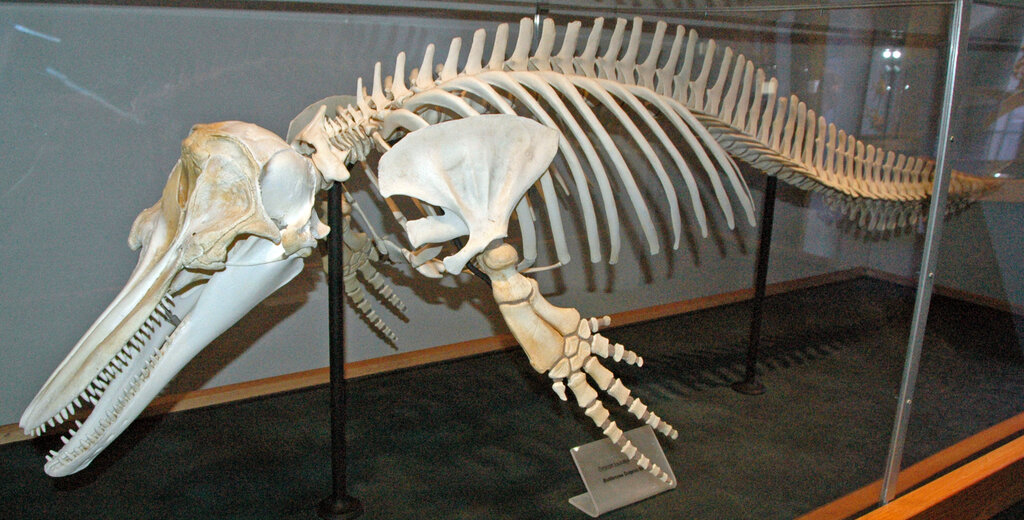
Beneath their skin, they have a skeleton that shows their connection to land mammals. They have a spine, a rib cage, and even the bone structure for five 'fingers' inside their flippers.
Oceans, Rivers, and Everywhere In-Between
Dolphins are incredibly adaptable and can be found in waters all over the globe. Most species live in the saltwater of the world's oceans, from the chilly poles to the warm waters of the tropics. They inhabit both coastal areas and the deep open sea.
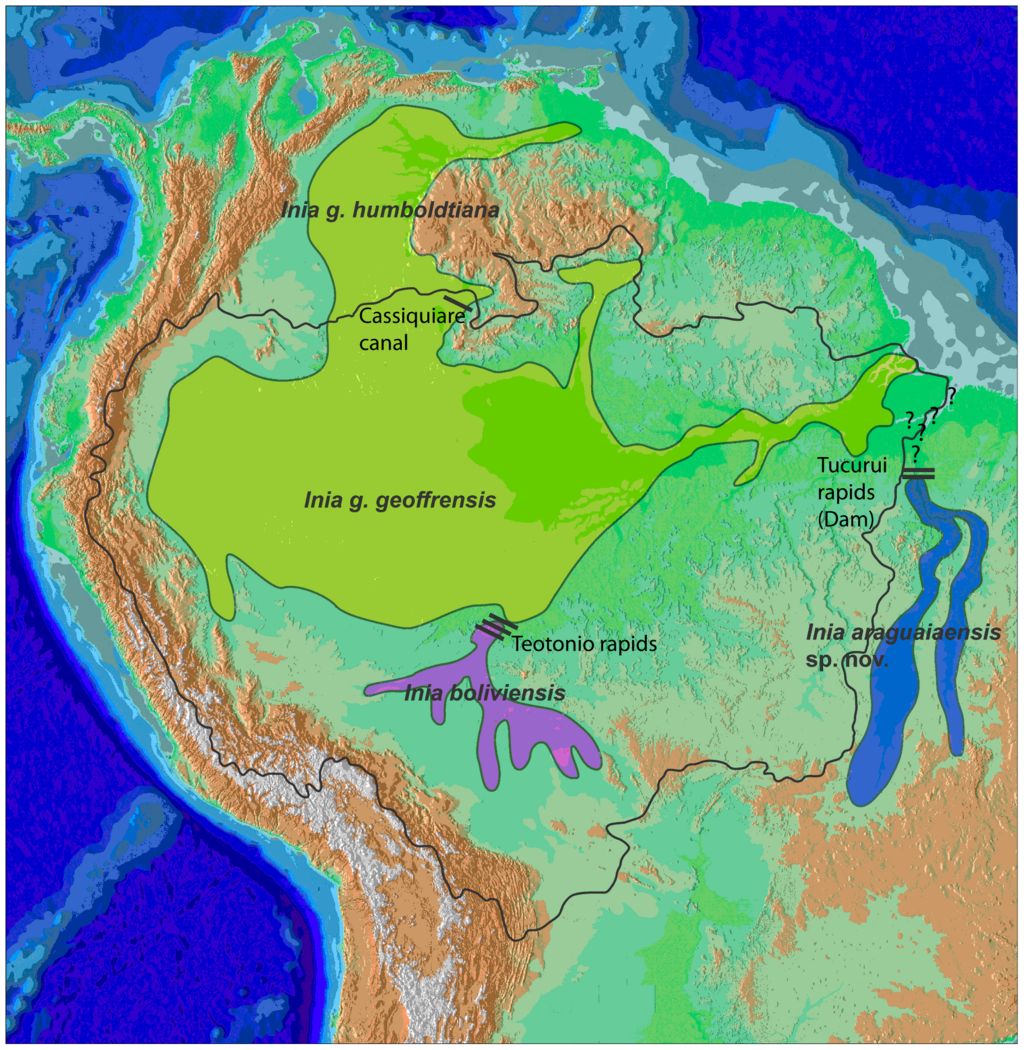
However, not all dolphins are ocean-dwellers. A few species have adapted to live exclusively in freshwater rivers.
River dolphins are some of the rarest and most endangered cetaceans. They are found in major river systems in Asia and South America, like the Amazon, Ganges, and Indus rivers.
These river dolphins look quite different from their oceanic cousins. They often have longer snouts, smaller eyes, and more flexible bodies to help them navigate the murky, complex river environments.
A Diverse Family
The word "dolphin" doesn't refer to just one type of animal. It's a name for a large family of marine mammals. There are over 40 different species of dolphin, and they come in a surprising variety of shapes, sizes, and colors.
The most familiar is probably the Common Bottlenose Dolphin, famous for its curved mouth that gives it a permanent smile. But the family also includes the Orca, or killer whale, which is actually the largest species of dolphin.
Other types range from the small, energetic Spinner Dolphin, known for its acrobatic leaps, to the uniquely patterned Pacific White-Sided Dolphin. Some species, like the Hector's Dolphin, are tiny, growing to less than five feet long. Each species is uniquely suited to its environment and lifestyle, showcasing the incredible diversity within this one animal family.
| Dolphin Species | Distinguishing Feature | Typical Length |
|---|---|---|
| Common Bottlenose Dolphin | Short, thick beak (snout) | 6 to 13 feet |
| Orca (Killer Whale) | Black-and-white coloring | 23 to 32 feet |
| Spinner Dolphin | Leaps and spins in the air | 5 to 7 feet |
| Hector's Dolphin | Rounded dorsal fin; one of the smallest species | 4 to 5 feet |
Let's check your understanding of these amazing marine mammals.
Which of the following is the primary reason dolphins are classified as mammals and not fish?
How does a dolphin's tail movement primarily differ from that of a typical fish?
Now that you've met the dolphins, you can see they are much more than just another creature in the sea. Their unique biology, diverse habitats, and wide range of species make them one of the most fascinating groups of animals on the planet.