Dog Training and Golden Retriever Essentials
Understanding Dog Behavior
Speaking Dog
Dogs can't tell us how they're feeling with words, but they are constantly communicating. They use their entire bodies, from the tip of their nose to the end of their tail, to send clear signals. Learning to read these signals is like learning a new language. It's the key to understanding their needs, building trust, and creating a strong bond.
Dogs use body language as a primary means of communication.
Instead of focusing on just one thing, like a wagging tail, it’s important to look at the whole picture. A dog's ears, eyes, mouth, and posture all work together to tell a story. Paying attention to these combined signals helps you accurately interpret what your dog is trying to say.
The Telltale Tail
A wagging tail is probably the most misunderstood signal in the dog world. Many people assume it always means the dog is happy, but that's not the case. A tail's height and speed can reveal a lot about a dog's emotional state.
A relaxed, natural wag, often with a soft, wiggly body, usually signals happiness. But a high, stiff, fast-wagging tail can indicate excitement or arousal that could tip into aggression. A tail tucked low or between the legs is a clear sign of fear or anxiety.
The context is everything. A wagging tail on a dog with a tense body and a hard stare means something very different from a wagging tail on a dog with a playful bow.
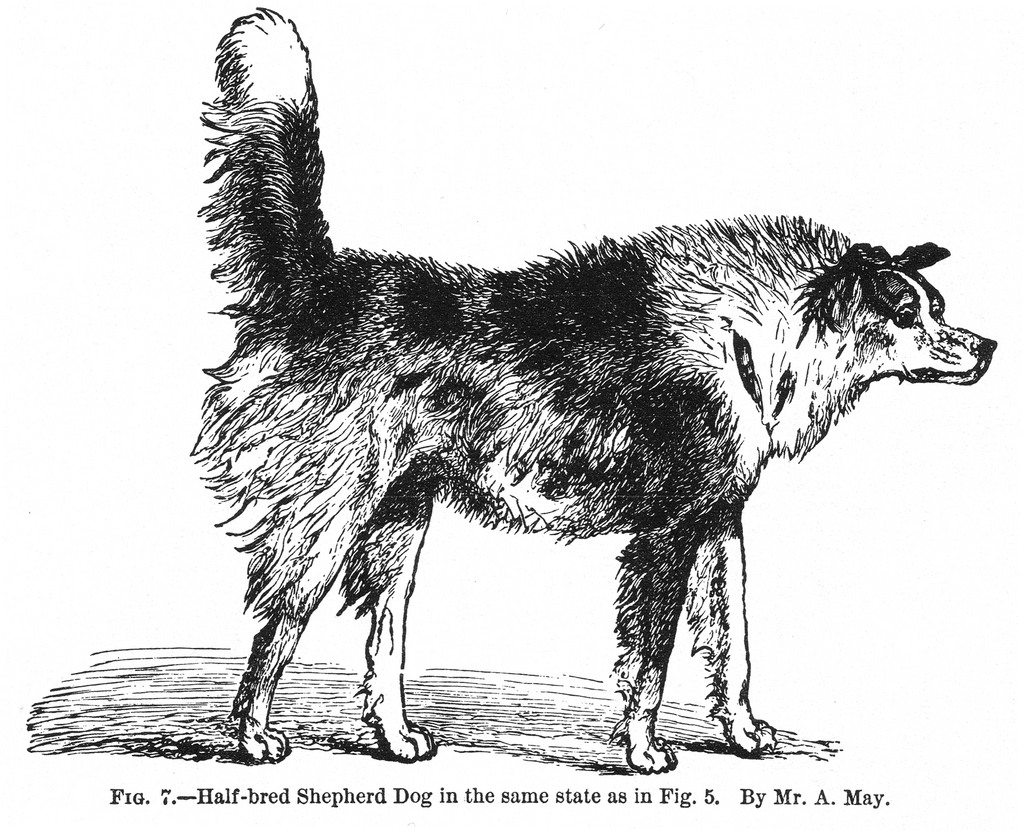
Beyond the tail, look at the ears and eyes. Pricked, forward ears show alertness and focus. Ears pulled back and flat against the head can mean fear or submission. A dog's eyes can be soft and relaxed or hard and staring. A direct, hard stare is often a challenge or threat, while avoiding eye contact can be a sign of deference. If you can see the whites of their eyes in a half-moon shape, often called "whale eye," the dog is likely stressed or anxious.
Signs of Stress
Recognizing stress is crucial for preventing negative situations. Stressed dogs are more likely to react poorly. Many stress signals are subtle and easily missed if you don't know what to look for. These are often called "calming signals," as dogs use them to de-escalate a situation and calm themselves down.
| Signal | Meaning |
|---|---|
| Yawning | Can indicate stress or anxiety, not just sleepiness. |
| Lip Licking | Quick licks of the nose or lips can signal discomfort. |
| Panting | When not hot or thirsty, this can be a sign of stress. |
| Shaking Off | A full-body shake can release tension after a stressful event. |
| Freezing | A sudden stillness or stiffening often precedes a bigger reaction. |
Aggression doesn't come out of nowhere. A dog will almost always give warning signals before biting. These can start with the subtle stress signals above and escalate. Growling is a clear warning. It’s your dog's way of saying, "I'm uncomfortable, please stop." Punishing a growl can teach a dog not to give a warning, which can lead to a bite that seems to come without cause.
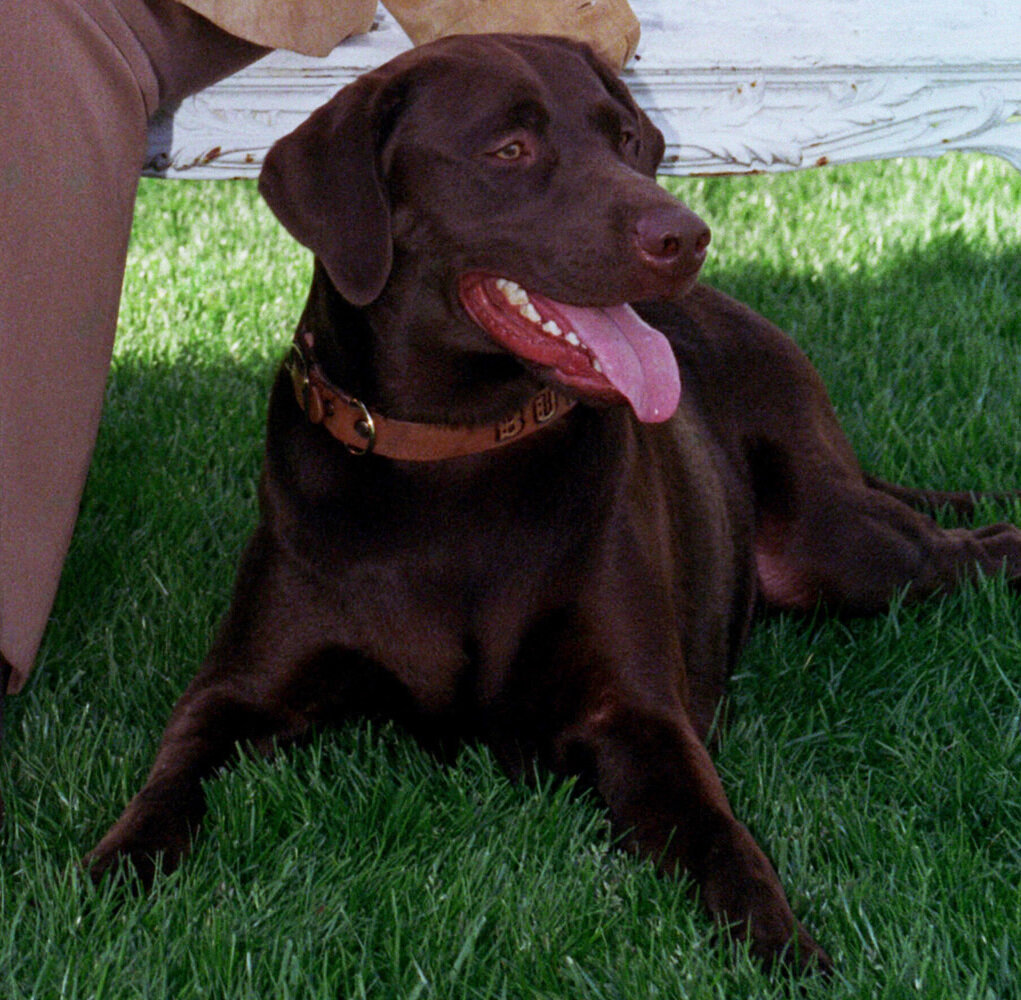
On the other hand, a relaxed dog is easy to spot. Their body will be loose and wiggly, their mouth slightly open, and their eyes soft. They might offer a play bow, where they drop their front end down while keeping their rear end in the air. This is a clear invitation to play.
Vocal Clues
Barking is another complex form of communication. Just like with tail wags, the sound of the bark matters. High-pitched, rapid barks often signal excitement or a desire for attention. A low, deep bark is usually a warning to stay away.
A single, sharp bark can be a sign of surprise. Continuous, monotonous barking often indicates boredom or loneliness. Whining can mean the dog wants something, like food or to go outside, but it can also be a sign of pain or distress.
By listening to the pitch, frequency, and context of your dog's vocalizations, you can start to parse their meaning.
Now, let's test what you've learned about canine communication.
A high, stiff, fast-wagging tail is a reliable sign that a dog is...
What does it mean when you can see the whites of a dog's eyes in a half-moon shape, a signal often called 'whale eye'?