Dog Food Allergy Management
Understanding Dog Food Allergies
Allergy vs. Intolerance
When a dog has a bad reaction to food, it's easy to jump to the conclusion that it's an allergy. But that's not always the case. There's a key difference between a food allergy and a food intolerance.
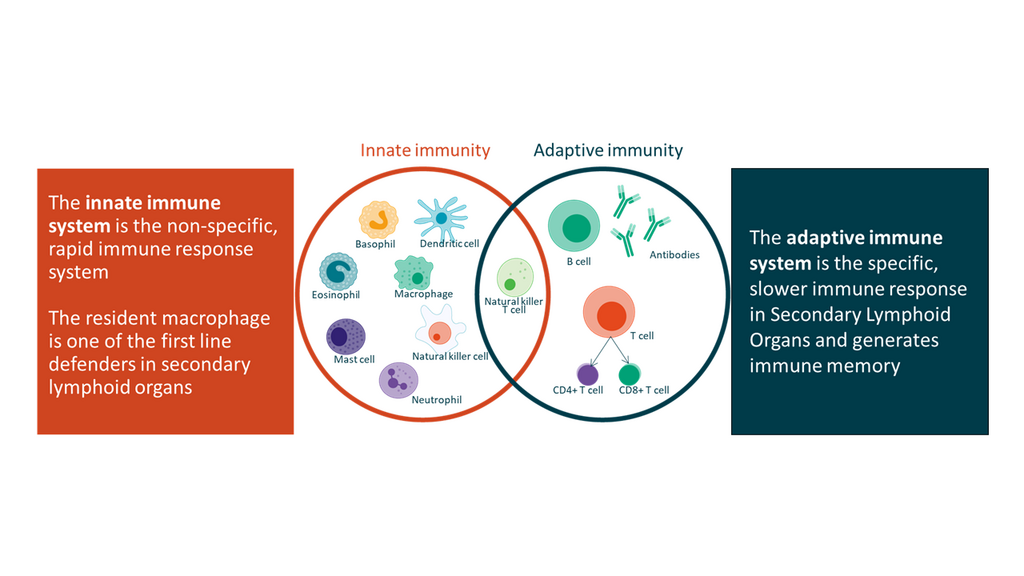
A true food allergy is an immune system problem. Your dog's immune system, which is designed to fight off harmful invaders like bacteria and viruses, makes a mistake. It identifies a specific protein in their food—like chicken, beef, or dairy—as a dangerous threat. In response, it launches an attack, releasing chemicals like histamines that cause allergic symptoms.
A food intolerance, on the other hand, doesn't involve the immune system at all. It's a digestive issue. The dog's body simply has trouble breaking down a certain ingredient. This might happen because they lack a specific enzyme, for example. The result is usually gastrointestinal upset, like gas or diarrhea, but it's not an allergic reaction.
Think of it this way: an allergy is the body's security system overreacting to a harmless guest. An intolerance is more like a plumbing problem in the kitchen.
| Feature | Food Allergy | Food Intolerance |
|---|---|---|
| System Involved | Immune System | Digestive System |
| Cause | Overactive immune response | Inability to digest an ingredient |
| Typical Onset | Can be immediate or delayed | Usually gradual |
| Primary Signs | Skin issues, itching, GI upset | Primarily GI upset (gas, diarrhea) |
How Common Are They?
Despite how often we hear about them, true food allergies are not very common in dogs. They are responsible for only about 10% of all canine allergies. The vast majority of allergic dogs are actually reacting to environmental triggers like pollen, dust mites, or flea bites.
Food allergies can develop at any age and in any breed, but some breeds, like German Shepherds, Boxers, and Retrievers, may be more predisposed.
Spotting the Signs
The most common sign of a food allergy in dogs isn't digestive upset, it's itchy skin. This condition is called pruritus, and it can be relentless. A dog with a food allergy might constantly lick their paws, scratch their ears, or rub their face on the carpet.
This chronic itching often leads to other problems. The constant scratching and licking can cause hair loss, hot spots (areas of red, inflamed skin), and secondary skin infections from bacteria or yeast. Ear infections are also very common, especially if they keep coming back.
While skin problems are the number one indicator, gastrointestinal signs can occur too. These might appear alongside the skin issues or on their own. Watch for chronic gas, loose stools, or vomiting. Unlike a simple food intolerance, these digestive signs are driven by the same immune reaction causing the itch.