Document Analysis and Explanation
Understanding Document Analysis
What Is Document Analysis?
At its core, document analysis is a method for systematically looking at documents to understand what they mean. Researchers use it to pull out information, find patterns, and gain insights from existing materials.
Document analysis is the process of examining and interpreting documents to gather important information.
The goal isn't just to read what's on the page. It's to understand the bigger picture. Why was this document created? Who was it for? What does it tell us about the time and place it came from? Think of it as a form of detective work. The documents are the clues, and the analysis helps you piece together the story.
This skill is fundamental in many fields because it allows us to learn from the past and understand the present without having to create new data from scratch. We're working with what already exists.
More Than Just Text
When we hear the word "document," we usually think of written texts like letters, books, or official reports. While those are definitely part of it, the term is much broader in research.
Document
noun
Any symbolic representation that can be recorded and read. This includes written materials, visuals, audio recordings, and physical objects.
A document can be a photograph, a map, a film, a piece of sheet music, or even a social media post. Physical artifacts like tools or clothing can also be "read" as documents because they carry information about the people who made and used them. Each type offers a different kind of window into a subject.
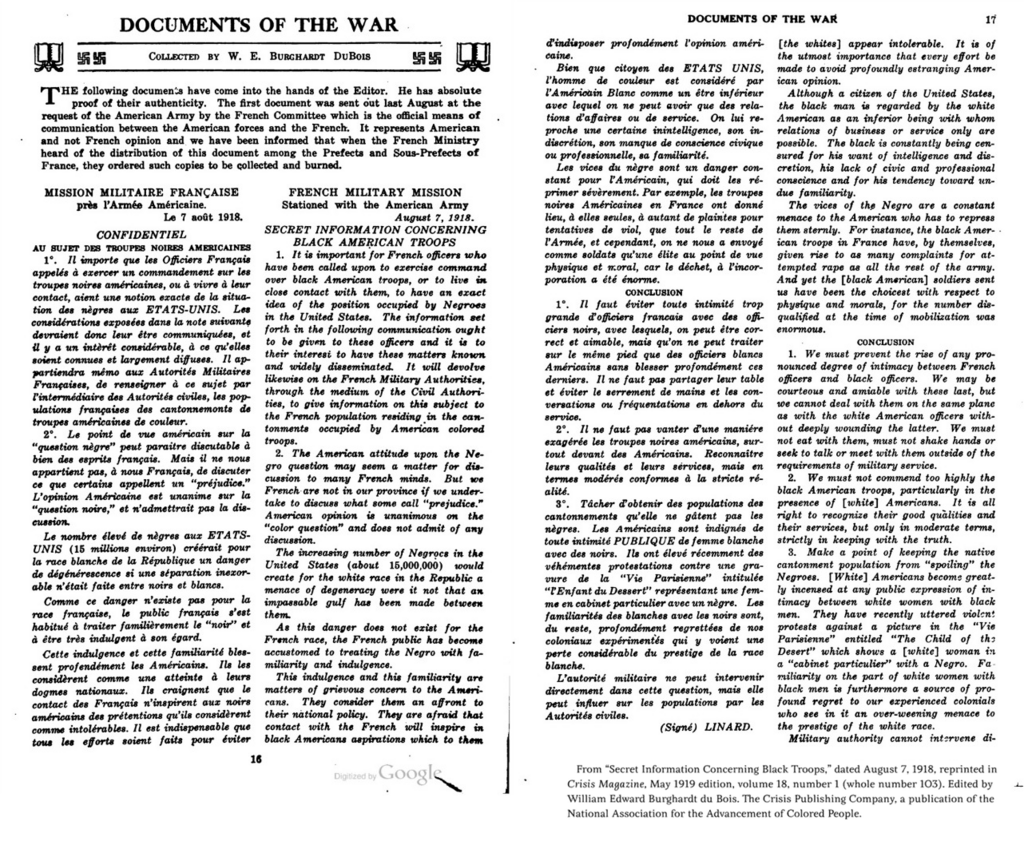
Here’s a quick look at the variety of materials that can be analyzed.
| Category | Examples |
|---|---|
| Written Texts | Letters, diaries, newspapers, reports, books, meeting minutes |
| Visual Materials | Photographs, maps, films, drawings, architectural plans |
| Digital Files | Emails, websites, social media posts, databases |
| Physical Artifacts | Tools, clothing, pottery, buildings, monuments |
The General Approach
Document analysis isn't a rigid, one-size-fits-all formula. The approach changes depending on the document and the research question. However, a few guiding principles are almost always involved. It starts with getting to know the document on a basic level.
Read the document carefully and identify the author, audience, purpose, and historical context
This involves asking a series of critical questions. First, you examine the document's content, which is the information it explicitly presents. Then you dig deeper into its context, which is the environment and circumstances surrounding its creation. This includes understanding its origin, its purpose, and whether it's a credible source for your needs.
By working through these questions, you move from simply seeing a document to interpreting it. This systematic process helps ensure that conclusions are based on evidence found within the document and its surrounding context, rather than on assumption.
Why Document Analysis Matters
This skill is crucial in many academic and professional fields. Historians rely on it to interpret primary sources and construct narratives about the past. For them, existing documents are often the only available evidence.
As a result, document analysis is an ideal method for historical research since generating new data is less feasible than turning to existing sources for analysis.
In the social sciences, researchers might analyze government reports or organizational records to understand policies and their effects on society. Linguists analyze texts to study how language evolves and is used in different communities. Lawyers scrutinize contracts and legal precedents, while doctors review patient records to diagnose illnesses.
Ultimately, document analysis is a foundational skill for critical thinking. It teaches you how to engage with information, question its origins, and assess its value. It moves you beyond accepting information at face value and toward a deeper, more nuanced understanding of the world.
Ready to check your understanding?
What is the primary goal of document analysis?
True or False: In the context of research, the term 'document' only refers to official records and published texts.
Mastering document analysis opens up a new way of seeing the information all around you.