Document Analysis
Document Types
What Am I Looking At?
Every document you encounter has a purpose. It might be to share news with a friend, outline the terms of a sale, or record a historical event. The first step in understanding any document is to figure out what kind of document it is. Its format and structure are your biggest clues.
Think of it like identifying a vehicle. A sports car, a pickup truck, and a city bus are all vehicles, but their shapes tell you exactly what they're designed to do. Documents work the same way. A personal letter looks very different from a legal contract, and both are distinct from a scientific report. Recognizing these differences is the foundation for analyzing them effectively.
Common Document Types
Many documents follow familiar patterns. Let's look at a few common categories you'll see in both personal and professional settings.
Correspondence
noun
Written communication between people, such as letters and emails.
Correspondence is all about communication. A personal letter to a family member has a warm, informal tone. It typically starts with a greeting (like "Dear Grandma"), has a body sharing personal news, and ends with a closing (like "Love, Alex"). A business letter is more formal, often including company letterhead, a professional salutation ("Dear Ms. Chen:"), a clear and concise body, and a formal closing ("Sincerely"). The structure immediately signals the document's intent and the relationship between the sender and recipient.
Reports are built to inform. Their job is to present information, analyze findings, or make recommendations in a clear, organized way. This structure helps readers quickly find what they need.
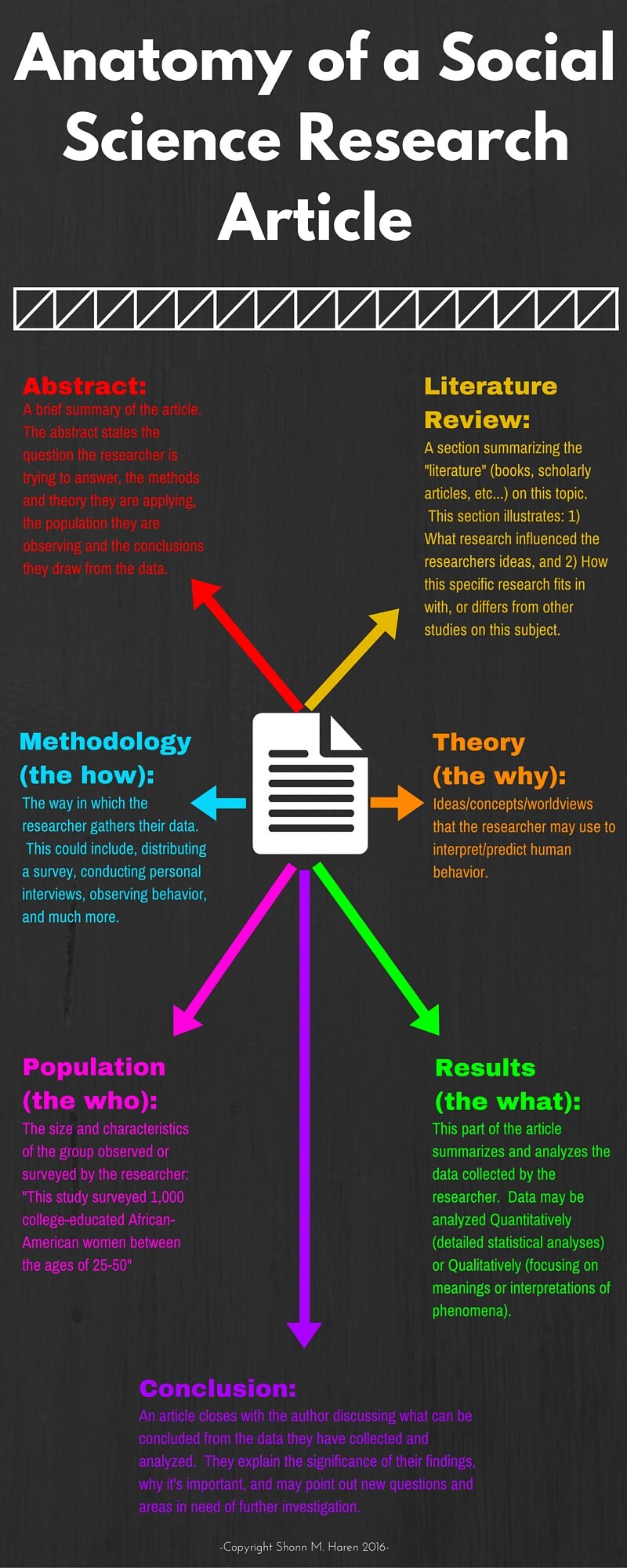
A good report is predictable. It often includes a title page, a table of contents, a summary of key points (an abstract or executive summary), an introduction, the main body with data and analysis, and a conclusion.
Specialized and Formal Documents
Some documents are highly specialized, with strict rules for how they must be written. Their purpose is often official, technical, or legally binding.
Legal documents, like contracts and wills, are all about precision. Their purpose is to create an enforceable agreement, so every word matters. They use specific, formal language to avoid ambiguity. Key structural elements often include numbered clauses, clear definitions of terms, and designated spots for signatures and dates to make the agreement official.

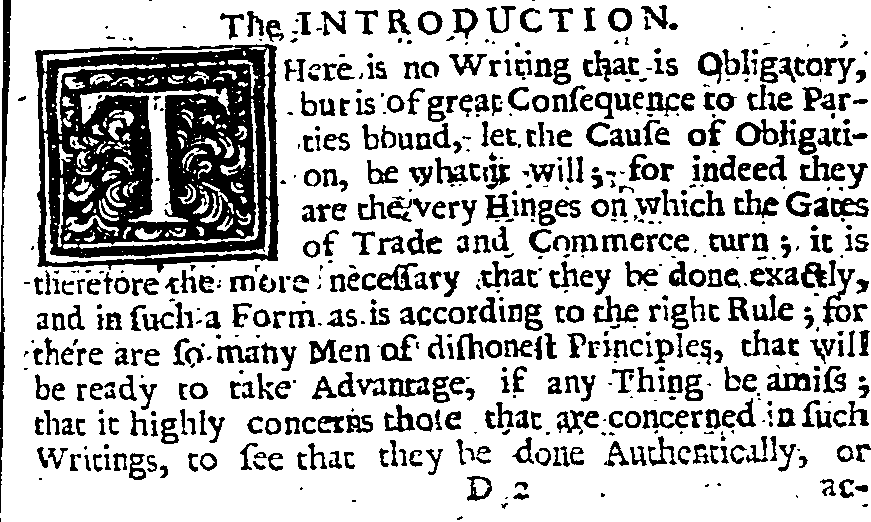
Historical manuscripts are windows into the past. This broad category includes everything from a soldier's diary to an official government decree from centuries ago. Their format can vary wildly. A diary might be informal and handwritten, while a royal charter will be highly ornate and formal. Recognizing the document's type—a personal letter, a ledger, a legal notice—is the first step to understanding its historical significance.
Finally, technical documents like blueprints, scientific papers, and user manuals are designed to convey complex information with perfect accuracy. Their structure is utilitarian. Blueprints use standardized symbols and scales. Scientific papers follow a rigid format (Abstract, Introduction, Methods, Results, Discussion) so other scientists can easily follow and verify the research. The format serves the function: clarity and precision above all else.
| Document Type | Primary Purpose | Common Structural Elements |
|---|---|---|
| Personal Letter | Share news, maintain relationships | Salutation, body, closing, informal tone |
| Business Report | Inform, analyze, recommend | Title page, table of contents, summary, formal sections |
| Legal Contract | Create a binding agreement | Formal language, numbered clauses, signature blocks |
| Historical Manuscript | Record a past event or thought | Varies greatly; may be handwritten, dated, formal or informal |
| Technical Drawing | Provide precise instructions | Standardized symbols, scales, labels, annotations |
By learning to spot these clues in a document's layout, language, and structure, you can quickly understand its purpose and what to expect from its contents. This skill is the starting point for any deeper analysis.