Doctoral Thesis Mastery
Understanding the Dissertation Process
The Final Ascent
The doctoral dissertation is the final, defining challenge of a Ph.D. program. It's more than just a very long paper. It's an original piece of research that contributes something new to your field. Think of it as your entry ticket into the community of scholars. By completing it, you demonstrate not only deep expertise in a specific area but also the ability to design and execute a major research project from start to finish.
Its significance goes beyond the degree. The dissertation is your chance to identify a gap in the existing knowledge, ask a compelling question, and then systematically find an answer. It proves you can think critically, work independently, and communicate complex ideas clearly. This project marks your transition from a student consuming knowledge to a scholar creating it.
Anatomy of a Dissertation
While the exact structure can vary by field and university, most dissertations follow a standard format. Each chapter builds on the one before it, creating a logical argument from start to finish. Understanding this flow is key to organizing your work.
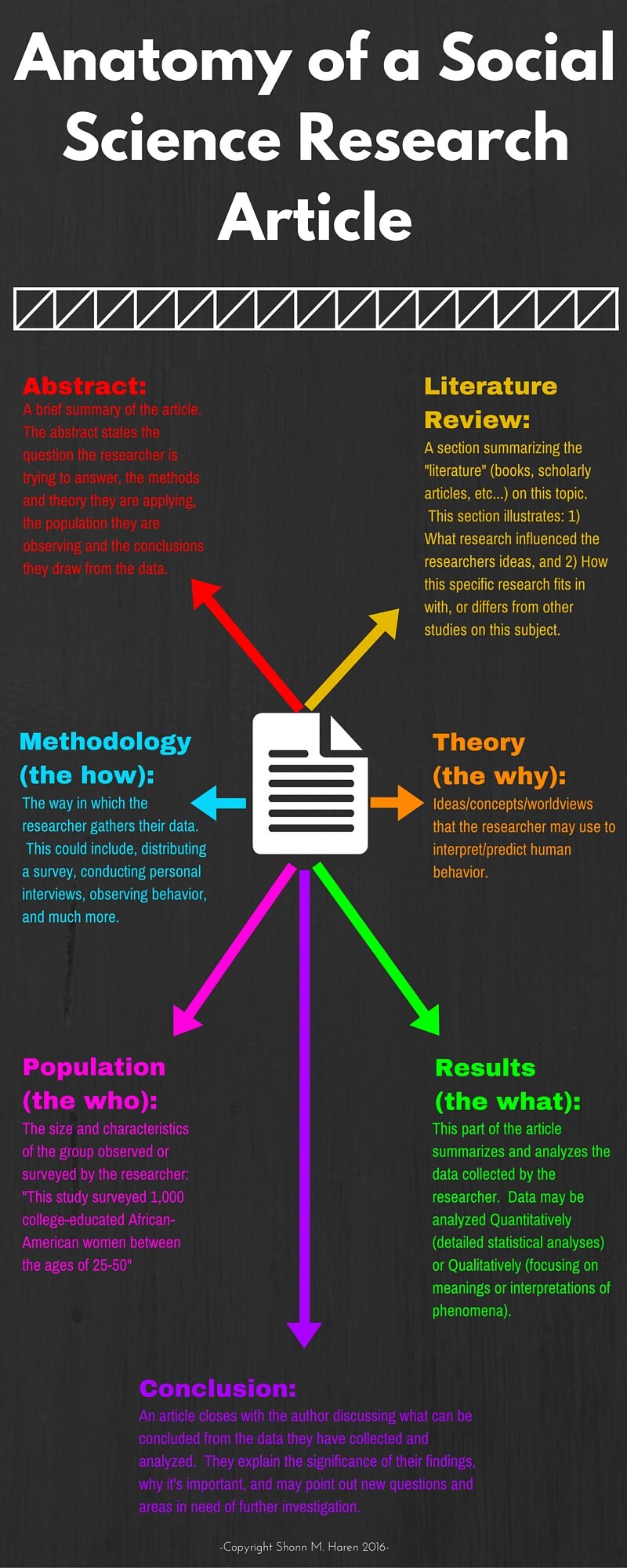
Here’s a typical chapter breakdown:
-
Introduction: This chapter sets the stage. It introduces the research problem, explains why it's important, and states your specific research questions or hypotheses. It ends with a brief roadmap of the rest of the document.
-
Literature Review: Here, you situate your work within the existing scholarly conversation. You summarize and critique what other researchers have already published on your topic, identifying the gap that your own research will fill.
-
Methodology: This section is the blueprint of your study. You explain exactly how you conducted your research. What methods did you use to collect and analyze your data? You need to provide enough detail for another researcher to understand and potentially replicate your work.
-
Results: This is where you present your findings in a direct and uninterpreted way. You lay out the data you collected using tables, charts, and text. This chapter simply states what you found.
-
Discussion: Now you get to explain what your results mean. You interpret your findings, connect them back to the literature you reviewed in chapter two, and explain how they answer your research questions. You'll also discuss the implications of your work.
-
Conclusion: The final chapter summarizes your key findings and contributions. It also acknowledges the limitations of your study and often suggests directions for future research, opening the door for other scholars to build on your work.
Navigating the Journey
The dissertation process is a marathon, guided by institutional rules and personal determination. Your university's graduate handbook is your most important non-human resource. It will contain all the specific requirements, formatting guidelines, and deadlines you must follow. Ignoring these can lead to significant delays.
Your relationship with your dissertation advisor is crucial. They are your primary guide, providing feedback, direction, and support. Regular communication is essential for staying on track.
The journey is long and often broken into major milestones: developing a proposal, getting it approved by a committee, conducting the research, writing the chapters, and finally, defending your work in an oral examination. This process can take several years.
It's also a path filled with common challenges. Many students struggle with time management, juggling research with other responsibilities. Feelings of isolation, writer's block, and imposter syndrome—the nagging fear that you don't belong—are incredibly common. The key is to recognize these hurdles as part of the process, seek support from your advisor and peers, and maintain a steady, disciplined work habit.
What is the primary purpose of a doctoral dissertation?
In which chapter does a researcher critique existing scholarly work to identify a gap their own study will address?
Successfully navigating the dissertation process is a testament to a scholar's perseverance and intellectual rigor. It's a challenging but ultimately rewarding journey that culminates in a unique contribution to human knowledge.