Docker Container Fundamentals
Introduction to Docker
The “Works on My Machine” Problem
Every developer has heard it. A piece of software works perfectly on their computer, but when it’s moved to a testing environment or a production server, it breaks. This usually happens because of tiny differences in environments, like a different operating system version or a missing software library.
This inconsistency creates headaches and slows down the process of shipping software. Docker was created to solve this very problem.
Docker is a platform that packages an application and all its dependencies into a single, standardized unit for software development. This unit is called a container.
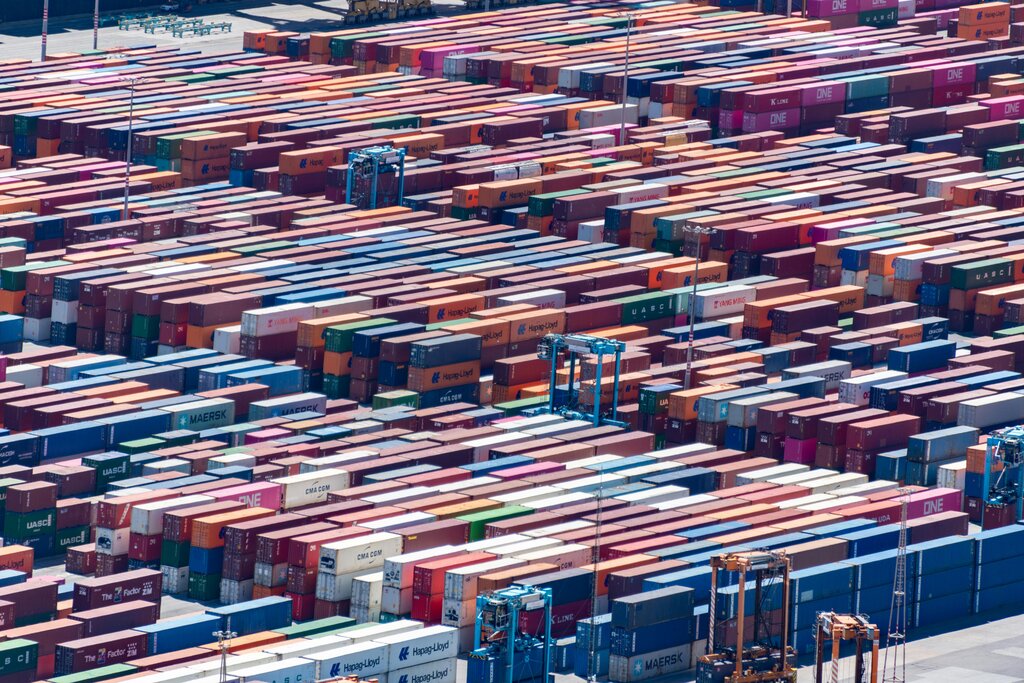
Think of a container like a specialized shipping container for code. Inside, you place your application, along with everything it needs to run: libraries, system tools, and runtime settings. Just as a physical shipping container can be moved from a truck to a train to a ship without changing its contents, a Docker container can be moved from a developer's laptop to a testing server to the cloud, and it will run exactly the same way every time.
The Evolution of Isolation
The idea of isolating applications isn't new. For decades, developers have tried to create separate, predictable environments. The first major step was virtualization.
Traditional virtualization involves running multiple virtual machines (VMs) on a single physical server. Each VM includes a full copy of an operating system, the application, and its necessary libraries and files.
Virtual machines are great for isolation, but they are heavy. Each VM consumes significant resources like CPU, memory, and storage because it has to boot up and run an entire operating system. This is like renting a whole moving truck just to transport a single box.
Containerization takes a more lightweight approach. Instead of virtualizing the hardware, it virtualizes the operating system. Containers share the host server's operating system kernel. They only package the application and its dependencies, not a whole separate OS.
This makes containers much smaller and faster than VMs. They can be created in seconds, and you can run many more of them on the same hardware. It's like using perfectly-sized boxes for your items instead of a fleet of half-empty trucks.
Why Docker Changes the Game
By making containerization easy to use, Docker brought this powerful technology to the masses. Its benefits ripple through the entire software development lifecycle.
| Benefit | Description |
|---|---|
| Portability | Containers run on any machine with Docker, from laptops to cloud servers. |
| Consistency | The environment is identical in development, testing, and production. |
| Efficiency | Containers use fewer resources and start instantly. |
| Scalability | You can quickly spin up or shut down containers to meet demand. |
For developers, Docker means less time spent debugging environment issues and more time writing code. For operations teams, it means a more stable, scalable, and efficient system for deploying and managing applications.
This consistent and portable environment is a cornerstone of modern software development, particularly in areas like microservices and cloud computing.
Ready to check your understanding?
What is the primary problem Docker was created to solve?
How does a container differ from a Virtual Machine (VM)?
Now that you understand what Docker is and the problems it solves, you're ready to explore its core components.