DNA Testing for Future Health
DNA Testing Basics
What Is DNA Testing?
Your DNA is like a detailed instruction manual for building and running your body. It contains all the information that makes you unique. DNA testing is the process of reading parts of that manual to look for specific instructions or variations.
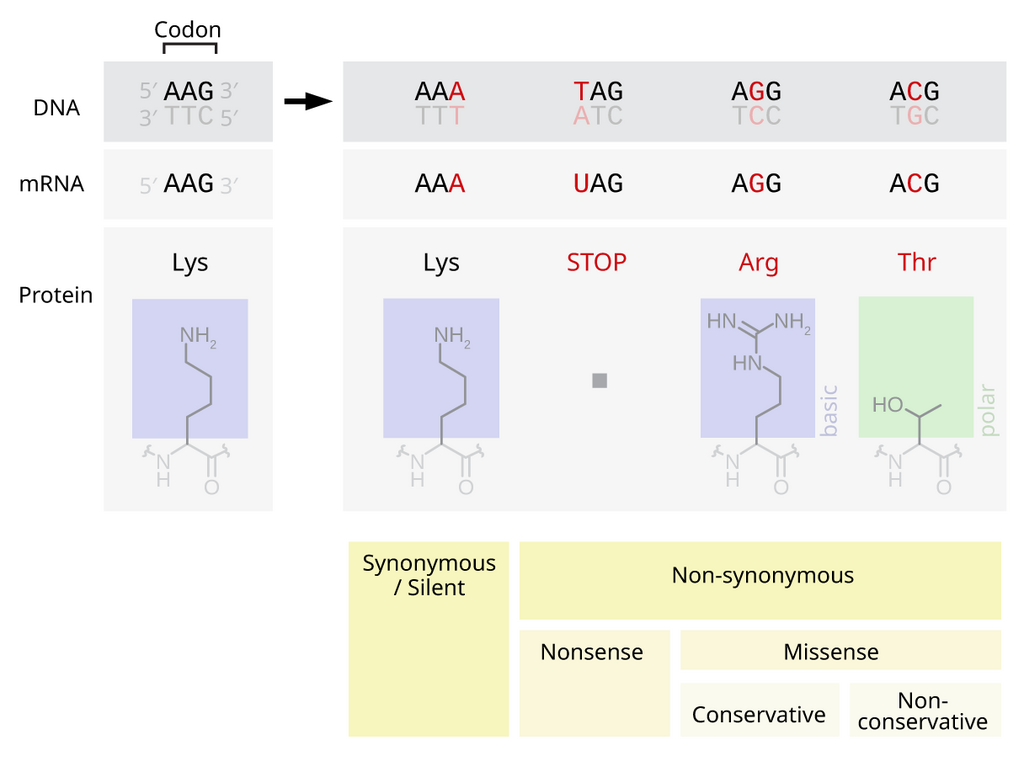
Genetic testing looks for genetic changes, sometimes called mutations or variants, in your DNA.
Think of it as a spell-check for your genetic code. Scientists analyze a sample from you, usually saliva or blood, to identify changes in your genes, chromosomes, or proteins. These changes can provide clues about your health, ancestry, and traits.

How It Works
The process starts with collecting a biological sample. Once the sample reaches a lab, technicians extract the DNA from your cells. This pure DNA is then prepared for analysis.
Two common methods are used to read the DNA:
-
Genotyping: This technique looks for specific, known variations at particular points in your DNA. It's like searching a book for a specific word. It’s efficient for checking for common genetic markers related to certain traits or health risks.
-
Sequencing: This method reads the exact order of the DNA bases (the A's, T's, C's, and G's) in a specific gene or even your entire genome. It's like reading the book word-for-word, which allows for the discovery of rare or new variations.
Regardless of the method, the goal is the same: to translate your genetic data into meaningful information.
What a Test Can Reveal
DNA tests can uncover a wide range of information. The results depend on which parts of your DNA are analyzed. A test might look for a single gene variant or scan thousands of them at once.
| Type of Information | What It Means |
|---|---|
| Disease Risk | Identifies genetic variants that may increase your likelihood of developing certain conditions, like heart disease or specific cancers. |
| Carrier Status | Shows if you carry a genetic variant for a condition (like cystic fibrosis) that you could pass on to your children, even if you don't have the condition yourself. |
| Pharmacogenomics | Reveals how your genes might affect your body's response to certain medications, helping doctors choose the most effective drug and dosage for you. |
| Traits | Provides insights into non-medical traits, such as your likelihood of having curly hair or tasting bitter flavors. |
It's important to remember that having a risk-associated variant doesn't guarantee you'll get the disease. Lifestyle and environmental factors also play a huge role in your health.
The Role in Personalized Medicine
The insights from DNA testing are a cornerstone of personalized medicine. Instead of a one-size-fits-all approach, doctors can use your genetic information to tailor healthcare specifically to you.
Personalized medicine helps healthcare practitioners customize treatment plans for each patient's unique genetic makeup.
For example, if you have a genetic variant that makes you process a certain drug very quickly, your doctor might prescribe a higher dose. If a test shows you have a high genetic risk for colon cancer, your doctor may recommend earlier or more frequent screenings.
This approach allows for more proactive and effective healthcare. By understanding your genetic predispositions, you and your doctor can make more informed decisions about prevention, diagnosis, and treatment, creating a health plan that truly fits you.
Now, let's test what you've learned about the fundamentals of DNA testing.