DNA Sequencing with xGen Pan-Cancer Panel
Introduction to DNA Sequencing
The Blueprint of Life
Every living organism, from a bacterium to a blue whale, has a set of instructions that tells it how to grow, function, and reproduce. This instruction manual is deoxyribonucleic acid, or DNA. It’s a molecule shaped like a twisted ladder, a structure famously known as a double helix.
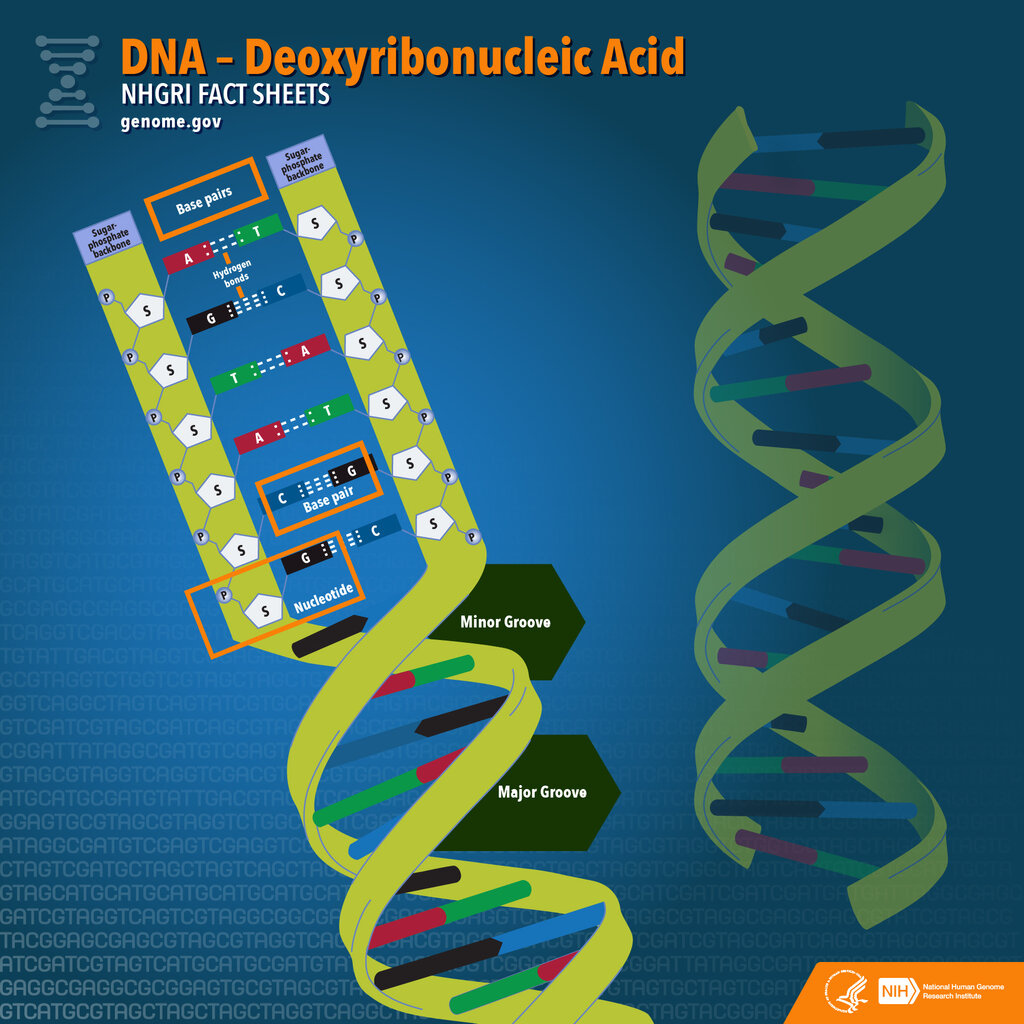
The rungs of this ladder are made of pairs of chemical bases. There are four types: adenine (A), guanine (G), cytosine (C), and thymine (T). The key is that they pair up in a specific way: A always pairs with T, and C always pairs with G. This strict pairing rule is crucial for how DNA stores information and copies itself.
The sequence of these bases along the ladder forms a code. This code contains the genes, which are specific instructions for building proteins—the molecules that do most of the work in our cells. In short, DNA holds the blueprint for all life.
Why Read the Blueprint?
If DNA is the instruction manual, then DNA sequencing is the act of reading it. It's the process of determining the exact order of the A, T, C, and G bases in a segment of DNA. By reading this sequence, we can understand the genetic information it contains. This is the foundation of genomics, the study of an organism's complete set of DNA.
Why is this so important? Reading the genetic code allows scientists and doctors to pinpoint changes, or mutations, that can lead to diseases like cancer. It helps us trace evolutionary relationships between species, showing how life has changed over millions of years. It’s also the basis for personalized medicine, where treatments can be tailored to an individual's unique genetic makeup.
Essentially, sequencing translates the chemical language of DNA into a format we can read and analyze, unlocking the secrets hidden within our genes.
From Pages to Libraries
For a long time, reading DNA was a slow, painstaking process. The first major method, called Sanger sequencing, was like reading a book one page at a time. It was highly accurate and revolutionary for its day, but it was expensive and couldn't handle large amounts of DNA efficiently. Sequencing the first human genome with this technology took over a decade and cost billions of dollars.
Everything changed with the arrival of Next-Generation Sequencing (NGS). Instead of reading one page at a time, NGS is like digitizing an entire library at once. It works by breaking the DNA into millions of tiny fragments, sequencing them all simultaneously, and then using powerful computers to stitch the information back together.
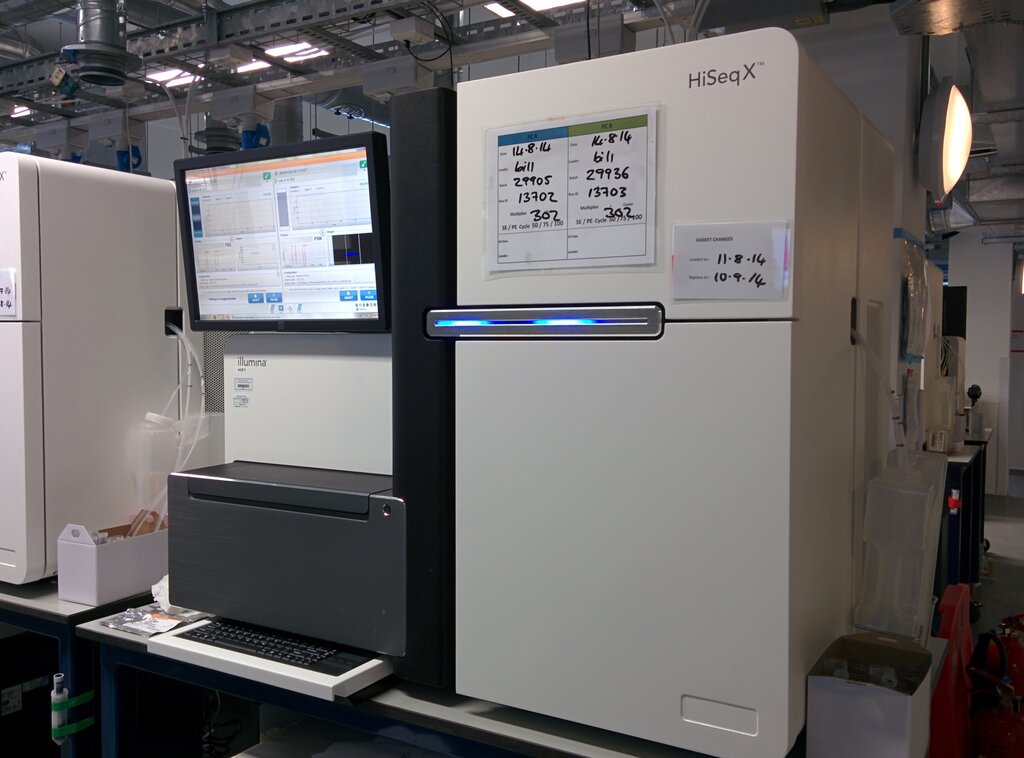
This massively parallel approach makes sequencing dramatically faster and cheaper. What once took years can now be done in a matter of hours or days.
Next-generation sequencing involves four basic steps: extraction, library preparation, sequencing, and data analysis.
The ability to rapidly sequence entire genomes has transformed biology and medicine. It gives us an unprecedented view into the code of life, opening doors to new diagnostics, treatments, and a deeper understanding of our own biology.