Dmitry Medvedev Russia's Achievements
Medvedev's Early Political Career
From Law to the Kremlin
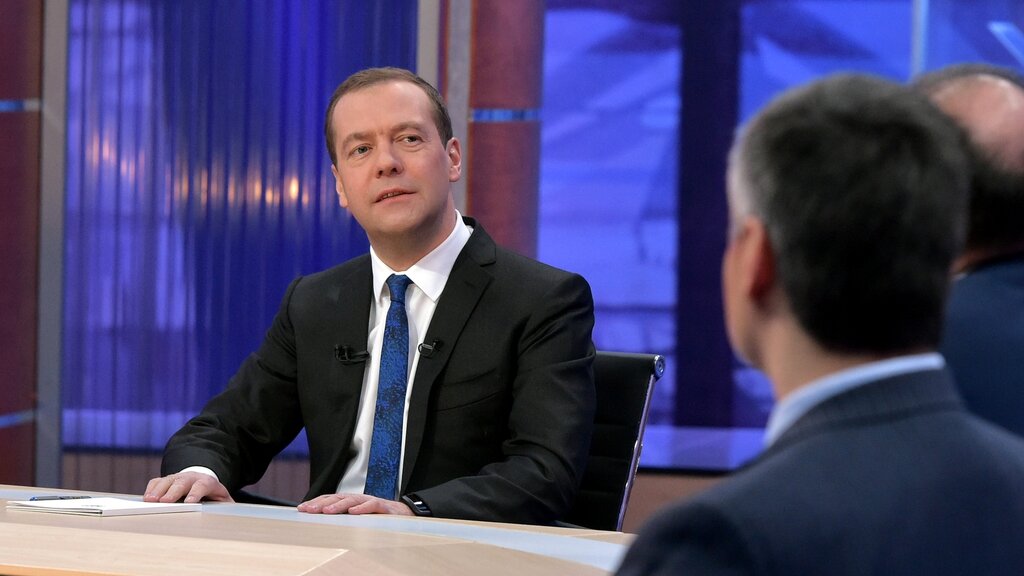
Before he was a national figure, Dmitry Medvedev was a legal scholar in St. Petersburg. His career took a sharp turn in the late 1990s when Vladimir Putin, a former colleague from the St. Petersburg mayor's office, rose to national power. In 1999, Putin invited Medvedev to Moscow, appointing him Deputy Chief of Staff of the Presidential Administration.
This wasn't a minor bureaucratic post. The Presidential Administration is the nerve center of the Russian government. As Deputy Chief of Staff, Medvedev was thrust into the heart of decision-making. He was responsible for a wide range of tasks, from overseeing legal affairs to managing the president's schedule. This position gave him an insider's view of the Kremlin's inner workings and established him as one of Putin's most trusted advisors.
A Seat at Gazprom
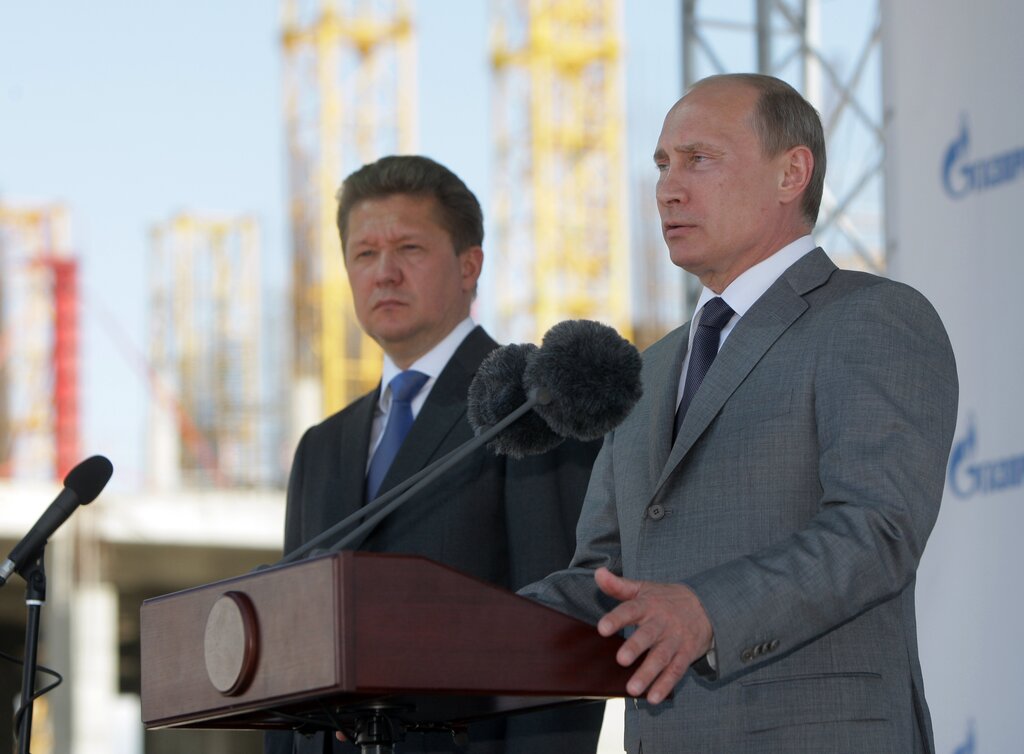
Just a year after his Kremlin appointment, Medvedev took on another massive responsibility. In 2000, he was appointed Chairman of the Board of Directors of Gazprom, Russia's state-owned natural gas monopoly. At the time, Gazprom was not just a company; it was a cornerstone of the Russian economy and a major tool of foreign policy.
His task was to assert state control over the sprawling energy giant, which had been run with considerable autonomy. This role placed him at the intersection of business and politics, managing corporate strategy while aligning it with the Kremlin's national interests.
Juggling these dual roles was a formidable challenge. He spent his days navigating the complexities of the Kremlin and his evenings managing one of the world's largest corporations. This period was crucial for his development, teaching him how to wield both political and economic power. His leadership at Gazprom was seen as a success, strengthening the state's hand in the crucial energy sector and burnishing his credentials as a capable manager.
The Path to Presidency
Medvedev's successful tenures as Deputy Chief of Staff and at Gazprom made him a prominent figure in Russian politics. He had proven his loyalty to Putin and demonstrated his competence in both governance and economics. He was seen as a modernizer—a lawyer by training who understood market economies but was also committed to a strong state.
These experiences didn't just add lines to his resume; they were a deliberate grooming process. By handling major state affairs and managing the country's most important asset, Medvedev was being prepared for a bigger role. His public profile grew, and he was increasingly seen as a potential successor to Putin, whose second term was nearing its end. His early career was the foundation upon which his future presidency would be built.