DJI Drone Capabilities
Introduction to DJI Drones
The Rise of DJI
Just over a decade ago, drones were clunky, expensive machines mostly for military use or die-hard hobbyists. Then came DJI. Founded in 2006 by Frank Wang out of his dorm room, the company didn't start with drones, but with the brains behind them: flight controllers. These systems were the key to stable, reliable flight, and DJI's were some of the best.
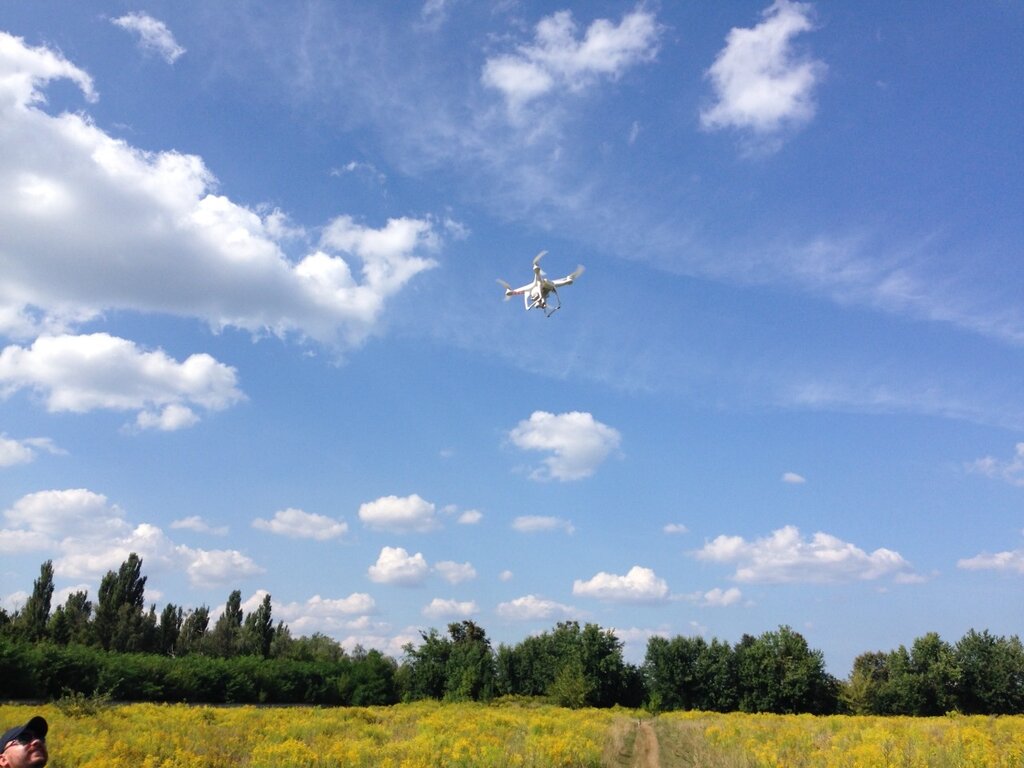
By 2013, DJI put all the pieces together and released the Phantom. It was the first ready-to-fly drone that worked straight out of the box. You didn't need to be an engineer to use it. This single product essentially created the consumer drone market, turning a niche hobby into a global phenomenon.
A Drone for Everyone
DJI's success comes from offering a range of drones for different users, from casual flyers to Hollywood cinematographers. Their product lines are easy to understand.
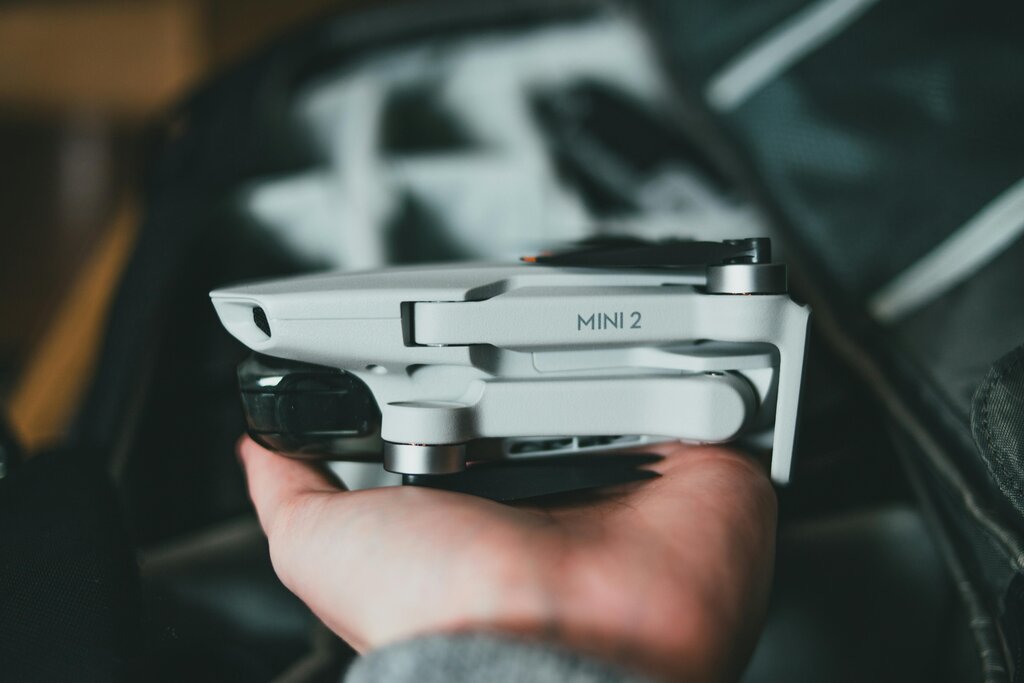
The Mini series is the entry point. These drones are tiny, lightweight (often under 250 grams to bypass registration rules in many countries), and incredibly easy to fly. They're perfect for beginners or anyone who wants a simple, portable drone for travel photos and videos.
A step up is the Air series. These drones strike a balance between the Mini's portability and the features of more advanced models. They offer better cameras and more intelligent flight modes, making them a favorite among content creators and serious hobbyists who need more power in a compact package.
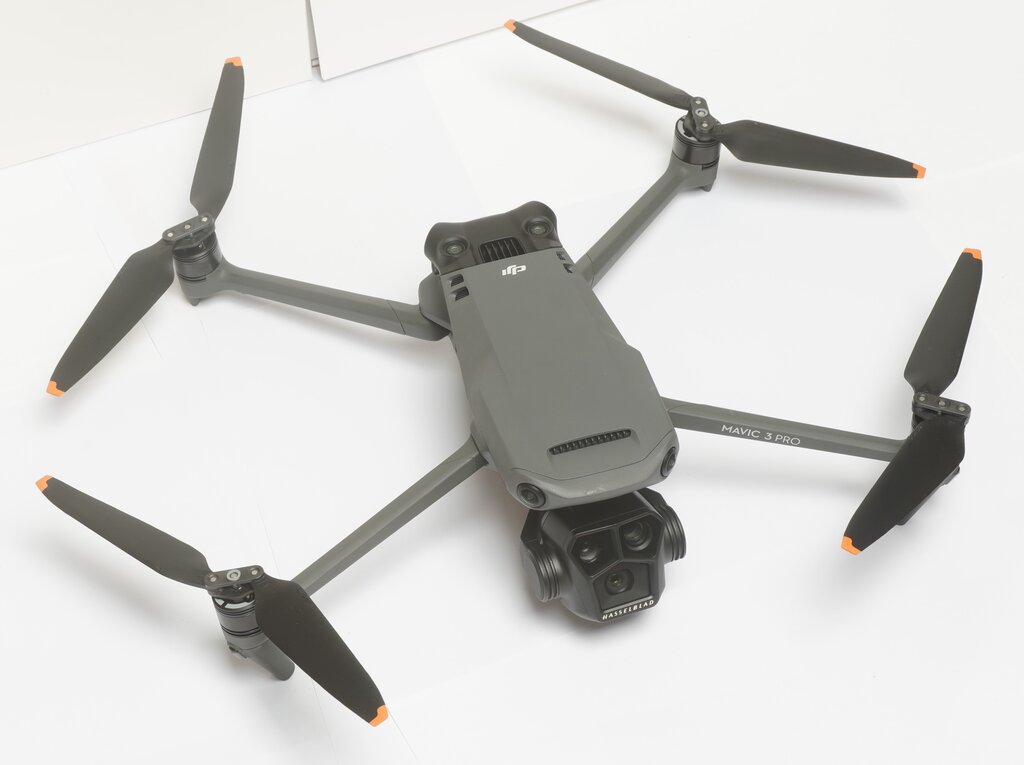
Then there's the Mavic series, which cemented DJI's reputation. Starting with the Mavic Pro, this line introduced a revolutionary foldable design that made powerful drones truly portable. Mavics are known for their top-tier cameras, long flight times, and advanced obstacle avoidance, making them the go-to for many professional photographers and videographers.
For the highest end of production, DJI offers the Inspire series. These are heavy-duty, professional cinematography tools. They feature interchangeable cameras, dual-operator controls (one person flies, the other controls the camera), and the kind of performance needed for feature films and high-end commercials.
Game-Changing Technology
DJI's dominance isn't just about making drones; it's about the technology they pack inside them. They pioneered several key innovations that are now industry standards.
Perhaps the most important was the integrated 3-axis gimbal. Before DJI, getting smooth aerial video was nearly impossible. The camera would shake with every movement of the drone. DJI's gimbals use motors and sensors to stabilize the camera, resulting in the buttery-smooth footage we now expect.
The gimbal was the key that unlocked the drone's potential as a cinematic tool.
Next came obstacle avoidance. DJI added sensors to the front, back, bottom, and sides of their drones, allowing them to see and fly around objects automatically. This made flying much safer and gave pilots the confidence to fly in more complex environments.
DJI also developed intelligent flight modes. Instead of manually flying every shot, pilots could use automated modes like ActiveTrack, where the drone follows a subject, or Waypoints, where it flies a pre-planned path. These features make it easy to capture complex, professional-looking shots with just a few taps.
Finally, their OcuSync transmission technology solved a major problem: losing the video feed. OcuSync provides a reliable, high-definition video link between the controller and the drone over several miles, giving pilots a clear view and solid control.
By consistently innovating in hardware and software, DJI has not only built a lineup of popular drones but has also shaped the entire industry.