DJ Fundamentals From Scratch
Introduction to DJing
The Role of the DJ
At its heart, DJing is about more than just playing one song after another. A DJ is a curator and a guide, responsible for the mood and energy of a space. They select tracks that fit the moment, whether it's a high-energy dance floor or a relaxed lounge.
The real art lies in storytelling. A great DJ set takes the listener on a journey. It has a beginning, a middle, and an end, with peaks and valleys along the way. This is achieved by carefully choosing which song to play next and creating a seamless flow between tracks. Reading the crowd is a huge part of this; a DJ pays close attention to the audience's reaction and adjusts the music to keep them engaged.
Think of a DJ as the host of a party. Their primary job is to make sure everyone is having a good time, using music as their tool.
The Essential Gear
You don't need a stadium-sized setup to start DJing, but a few key pieces of equipment are essential. This core setup is often called a deck.
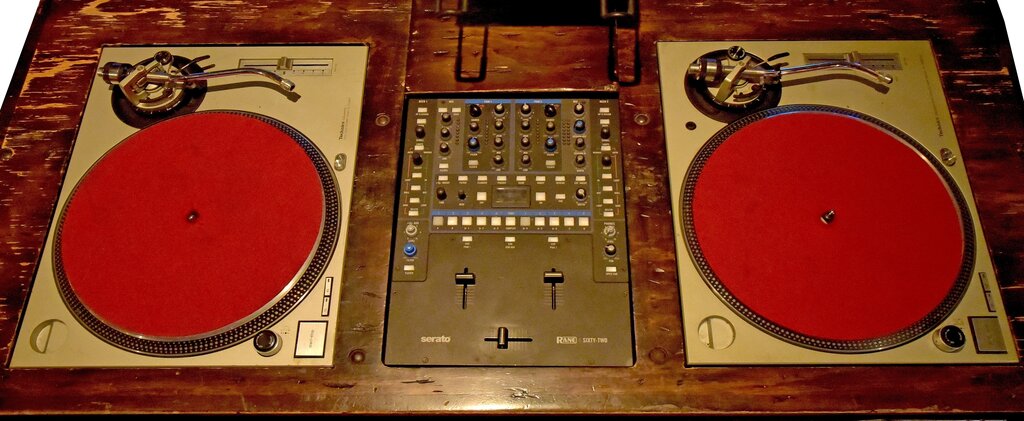
Your setup will have three main components:
-
Decks: These are the players. Traditionally, these were turntables for playing vinyl records. Today, you'll also see CDJs (which play CDs and digital files from USB sticks) or DJ controllers that connect to a laptop running DJ software. You need at least two of them to mix from one song into another.
-
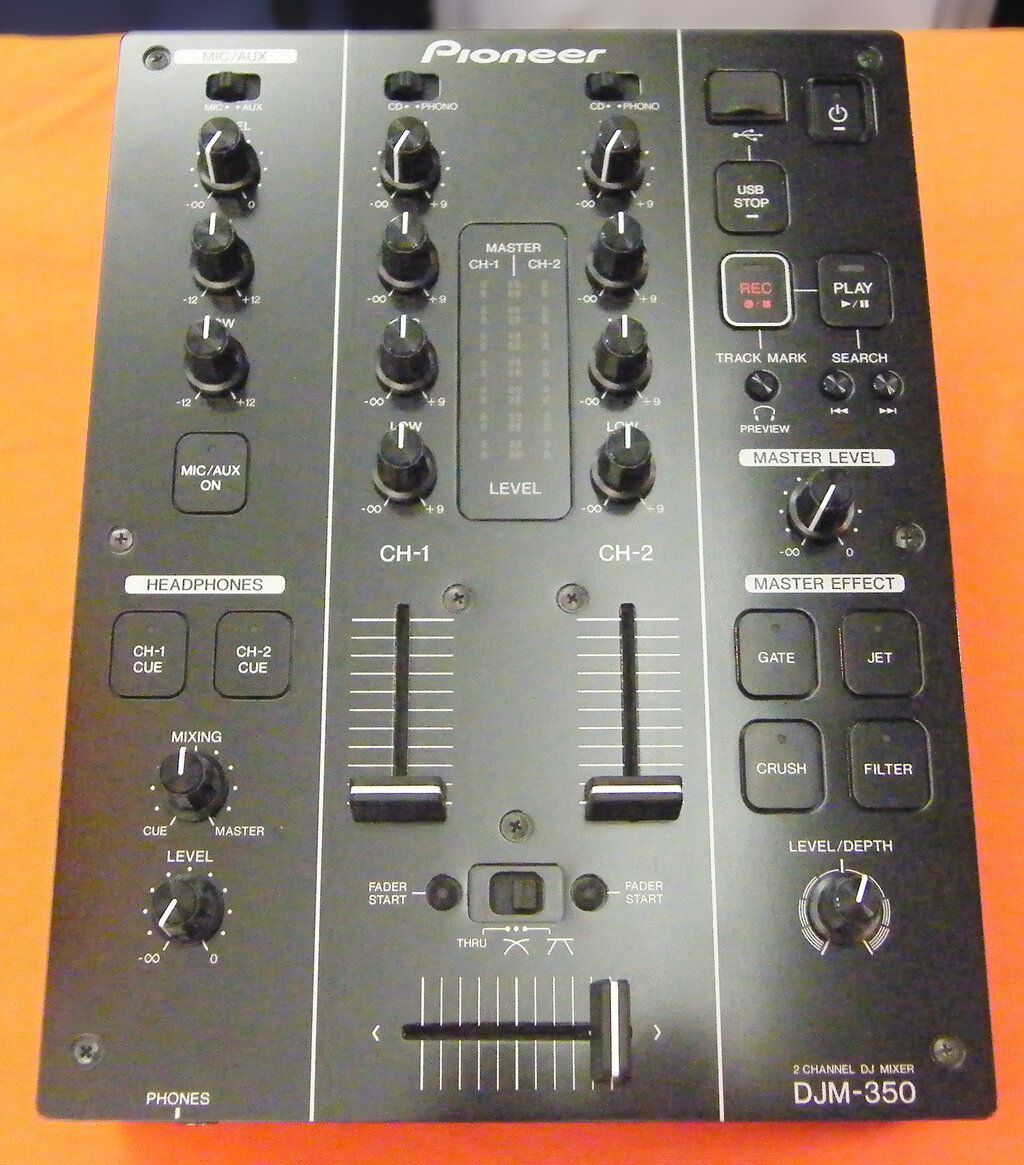
Mixer: This is the command center. The mixer takes the audio signals from your two decks and allows you to blend them together. It has volume faders for each channel, a crossfader to cut between decks, and EQ (equalizer) knobs to adjust the bass, mid, and treble frequencies.
-
Headphones: These are non-negotiable. Headphones allow you to listen to the next track you want to play before the audience hears it. This is how you prepare your next song and make sure it's ready to go at the right moment.
Fundamental Concepts
With your gear ready, there are a few basic ideas to grasp before you start mixing.
Cue
verb
To find the exact starting point of a track in your headphones so it's ready to be played for the audience.
Track Selection: This is your most powerful tool. Knowing your music library inside and out is crucial. What song will get people dancing? What track will bring the energy down perfectly? Your choices define your style and your success.
Gain Control: Not all songs are recorded at the same volume. The gain (or trim) knob on your mixer lets you adjust the input level of each track. The goal is to match the volume of the incoming song to the one that's currently playing, ensuring a smooth, unnoticeable transition for the listener.
Phrasing: Music is structured in phrases, typically in blocks of 4, 8, or 16 beats. Think of verses, choruses, and bridges. A key DJ skill is mixing in phrase, which means starting the new track at a point that aligns with the structure of the current track. For example, you might start the intro of your next song right as the chorus of the current song ends. This makes the mix sound natural and musically coherent.
Now that you know the basics, let's test your understanding.
What is the primary role of a DJ beyond simply playing a sequence of songs?
Which piece of equipment is essential for listening to the next track before the audience hears it?
Understanding these core elements—the role, the gear, and the basic concepts—provides a solid foundation for your journey into DJing.