DIY Silk Paint Creation
Introduction to Silk Painting
The Art of Silk Painting
Silk painting is an ancient art form with roots stretching back over 2,000 years to Han Dynasty China. Initially, it was a craft reserved for the imperial court and nobility, a symbol of wealth and status. Early silk paintings often depicted detailed mythological scenes, courtly life, and serene landscapes. Unlike other forms of painting, the art was intrinsically linked to the material itself. Silk wasn't just a surface; its production and decoration were central to Chinese culture and economy for centuries.
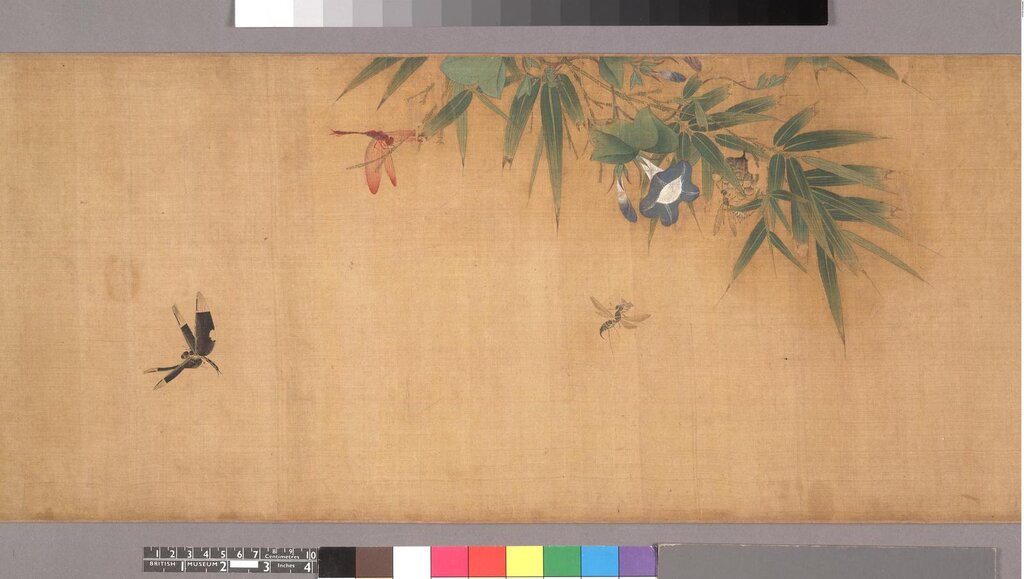
As the secrets of sericulture (silk production) travelled along the Silk Road, so too did the art of painting on it. The practice was adapted in Japan, India, and eventually Europe, with each culture adding its own unique styles and techniques. Today, it remains a vibrant medium for artists and crafters, cherished for the unique qualities it brings to their work.
Why Paint on Silk?
Painting on silk is unlike working on canvas or paper. The fabric’s protein-based fibres interact with dyes in a special way, allowing colours to bond directly with the material rather than just sitting on top. This results in a remarkable luminosity and depth. The natural sheen of the silk reflects light through the dye, giving colours a vibrancy that’s difficult to replicate on other surfaces.
Silk’s smooth, non-porous surface also allows dyes to flow and blend seamlessly, creating fluid gradients and soft-edged effects. However, this same quality presents a challenge: controlling the flow of colour. This unique property has led to the development of specific techniques designed to harness silk’s distinctive character.
A Glance at Techniques
Artists use several methods to control the flow of dye and create different effects on silk. While we won't dive deep into the 'how-to' just yet, it's useful to know the main approaches. Each one leverages the unique properties of silk in a different way.
| Technique | Key Feature | Best For |
|---|---|---|
| Serti (Resist) | A resist line (gutta or water-based) is used to create barriers for the dye. | Creating sharp lines and containing colour within defined shapes. |
| Watercolour Style | Dyes are applied to either wet or dry silk, often without a resist. | Achieving soft blends, abstract backgrounds, and fluid effects. |
| Salt Technique | Applying salt crystals to wet dye pulls the colour, creating patterns as it dries. | Generating unique, organic textures like frosty or starburst effects. |
| Alcohol Effects | Dropping alcohol onto wet dye pushes the colour away, creating rings and highlights. | Adding highlights, breaking up solid areas of colour, and creating abstract patterns. |
For centuries, Chinese textile artists produced the most refined silk textiles utilizing luxury materials and techniques to make the garments not only functional but also appreciated as artwork.
Understanding these foundational techniques is the first step. They inform how artists approach a piece and, just as importantly, influence the type of paints and dyes they need. With this context, you're ready to explore how to create the colours themselves.