DIY CNC Machine Construction
Introduction to CNC Machines
What is CNC?
At its core, Computer Numerical Control (CNC) is a method for automating machine tools using computer programming. Think of a highly skilled craftsman carving a piece of wood. Now, imagine giving that craftsman a set of precise, digital instructions that they can follow perfectly, over and over again, without getting tired. That’s essentially what CNC does for machines.
CNC technology takes a digital design and turns it into physical reality by controlling the movement and operation of tools like drills, lathes, and mills.
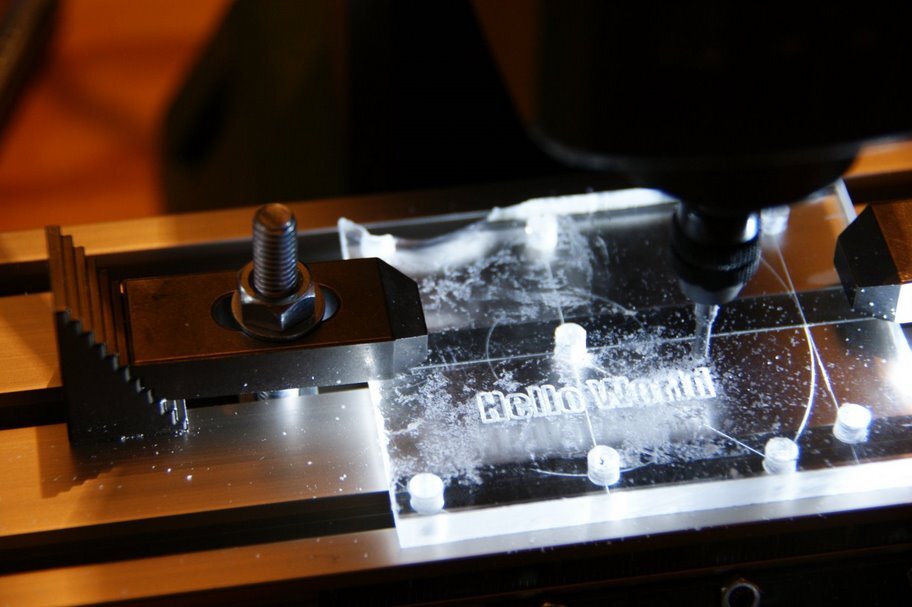
This process allows for the creation of complex parts with a high degree of accuracy. Instead of a human manually turning cranks and flipping switches, a computer guides the machine through every step of the fabrication process. This has revolutionized manufacturing, from small workshops to large industrial factories.
The Language of Machines
How does the computer tell the machine what to do? It uses a special programming language, most commonly known as G-code. Each line of G-code is a specific instruction that directs the machine's actions, such as where to move, how fast to go, and which tool to use.
When a business or individual makes something with CNC, they usually write a custom computer program for their objective in an international, standard language called “G-code.”
A typical G-code program is a sequence of commands that look like this:
G01 X10 Y5 F200;
// G01: Perform a linear move
// X10 Y5: Move to coordinate (10, 5)
// F200: Set the feed rate (speed) to 200 units/minute
The computer controller on the CNC machine reads these instructions line by line and translates them into electrical signals that drive the machine's motors. This ensures the tool follows the intended path with incredible precision, carving the final shape out of a block of material, a process known as subtractive manufacturing.
A Family of Tools
CNC technology can be applied to many different types of machines, each suited for specific tasks and materials. The most common types are routers, mills, and lathes.
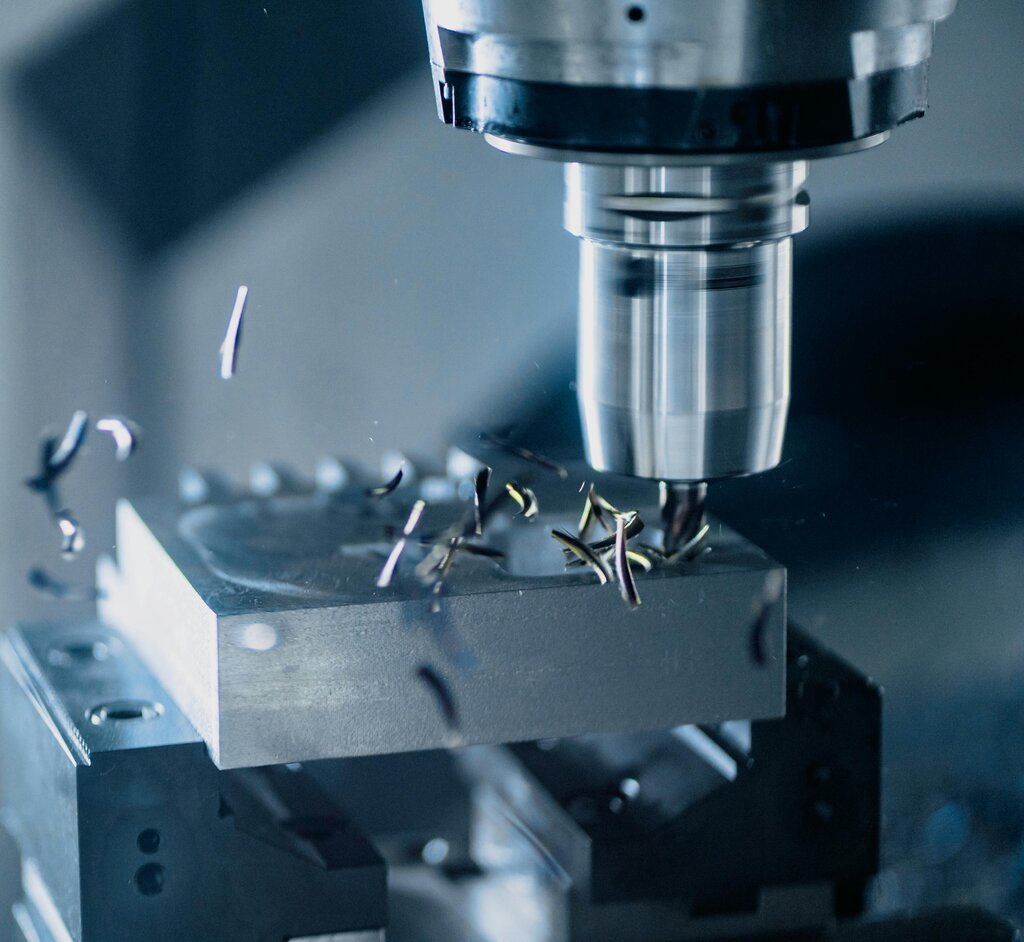
A CNC router is typically used for cutting softer materials like wood, plastic, and aluminum. Its tool, a spinning bit called a router, moves along three axes (X, Y, and Z) to carve out designs.
A CNC mill is more robust and is designed for shaping harder materials, like steel or titanium. In most mills, the cutting tool moves while the workpiece is held stationary on a bed.
A CNC lathe works differently. It spins a block of material at high speed while a cutting tool moves along it. This is ideal for creating cylindrical or symmetrical parts, like table legs or machine shafts.
| Machine | Primary Use | How it Works |
|---|---|---|
| Router | Cutting softer materials (wood, plastic) | Tool moves along 3 axes to carve stationary material |
| Mill | Shaping hard materials (metal) | Tool moves to cut stationary material |
| Lathe | Creating cylindrical parts | Material rotates while a stationary tool shapes it |
Why Go CNC?
The shift from manual to CNC machining brought several key advantages that transformed manufacturing.
CNC removes material from a solid blank with computer-controlled cutting tools, producing repeatable surface finish, reliable mechanical properties, and dimensional accuracy that many additive processes cannot match.
First is precision. A computer can follow instructions with an accuracy that's impossible for a human operator to consistently achieve. This means parts are made exactly to their design specifications, every time.
Next comes repeatability. Once a program is perfected, a CNC machine can produce hundreds or thousands of identical parts with no variation. This consistency is crucial for mass production.
Finally, there's efficiency. CNC machines can run 24/7 with minimal supervision, drastically increasing production speed. They can also execute complex cuts and shapes in a single setup that would require multiple steps and machines if done manually, saving both time and labor costs.
Ready to check your understanding of the basics?
What is the primary function of Computer Numerical Control (CNC)?
Which programming language is most commonly used to give instructions to a CNC machine?