DIY Car Maintenance Essentials
Understanding Vehicle Fluids
Your Car's Lifeblood
Think of your car's fluids like the blood in your body. They circulate, lubricate, cool, and clean, keeping everything running smoothly. Neglecting them is one of the fastest ways to cause serious, expensive damage. Luckily, checking them is simple. We'll walk through the five main fluids you need to monitor: engine oil, coolant, transmission fluid, brake fluid, and windshield washer fluid.
Engine Oil
Engine oil is the hardest working fluid in your car. It lubricates the hundreds of metal parts moving at high speeds inside your engine, reducing friction and wear. It also helps clean away contaminants and transfer heat away from the engine's hottest parts.
To check your oil, park your car on level ground and wait for the engine to cool down for at least 10 minutes. This allows the oil to settle back into the oil pan for an accurate reading.
Find the dipstick, which usually has a brightly colored, ring-shaped handle. Pull it out, wipe it clean with a rag, and push it all the way back in. Then, pull it out again and look at the tip. The oil level should be between the 'Full' and 'Add' marks. Fresh oil is a translucent golden-brown; if it's black, gritty, or milky, it's time for a change.
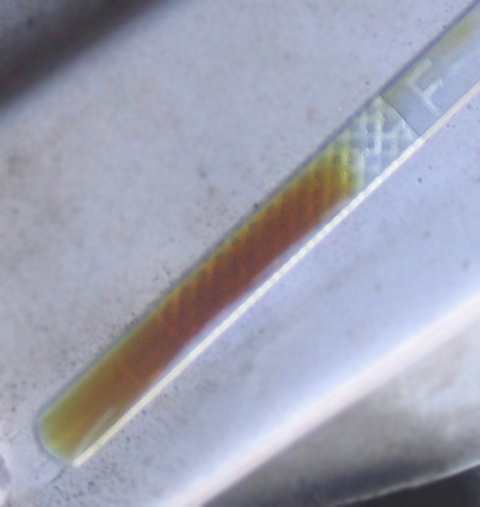
How often you should change your oil depends on your car, the type of oil you use (conventional or synthetic), and your driving habits. A good rule of thumb for modern cars is every 5,000 to 7,500 miles, but always check your owner's manual for the exact recommendation.
Coolant and Other Key Fluids
While oil handles friction, coolant (or antifreeze) manages the extreme temperatures your engine generates. It circulates through the engine and radiator to prevent overheating in the summer and freezing in the winter.
Warning: Never open the radiator cap when the engine is hot. The system is highly pressurized, and you could be sprayed with scalding fluid. Instead, check the level in the translucent plastic reservoir tank connected to the radiator. The fluid should be between the 'Full' and 'Low' lines.
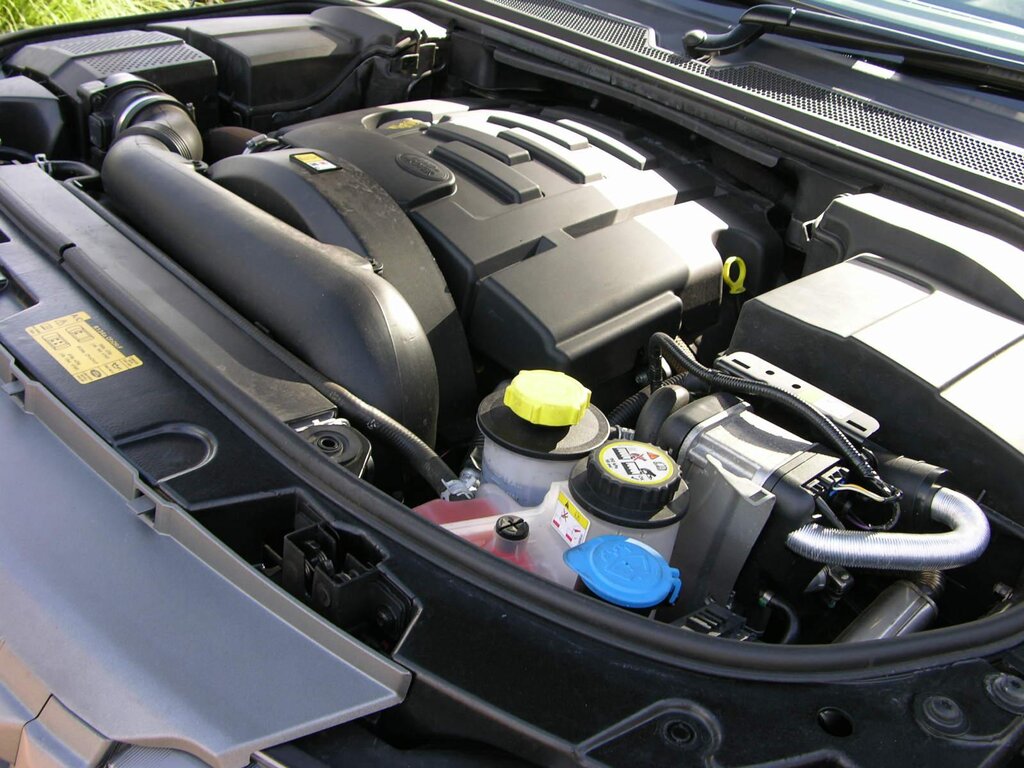
Beyond oil and coolant, a few other fluids are vital for your car's operation and safety. Here’s a quick rundown of what they do and how to check them.
| Fluid | Function | How to Check | Replacement Interval |
|---|---|---|---|
| Transmission Fluid | Lubricates gears and enables shifting. It's often red or pink in color. | Check with a dipstick (engine running) or look for a sealed reservoir. | Every 30,000 to 60,000 miles. |
| Brake Fluid | Transfers force from the brake pedal to the brakes, stopping your car. | Look at the small, semi-clear reservoir near the back of the engine bay. | Every 2-3 years. |
| Windshield Washer | Cleans your windshield for clear visibility. | Pop the cap on the reservoir (usually marked with a windshield icon) and look inside. | Refill as needed. |
Regularly check these fluids and top them up as needed to prevent damage to essential components and ensure smooth performance.
Keeping an eye on these fluids is a fundamental part of car ownership. It doesn't take much time, and it can save you from costly repairs down the road.
What is the primary function of engine oil in a car?
When checking your engine oil level with a dipstick, what is the very first step after pulling it out?