Diuretics and Kidney Function
Kidney Function
The Body's Master Filters
Your two kidneys are bean-shaped organs, each about the size of a fist, located on either side of your spine just below your rib cage. They are the body's primary filtration system, processing about 180 liters of blood every day to remove waste products and excess fluid, which are then excreted as urine.
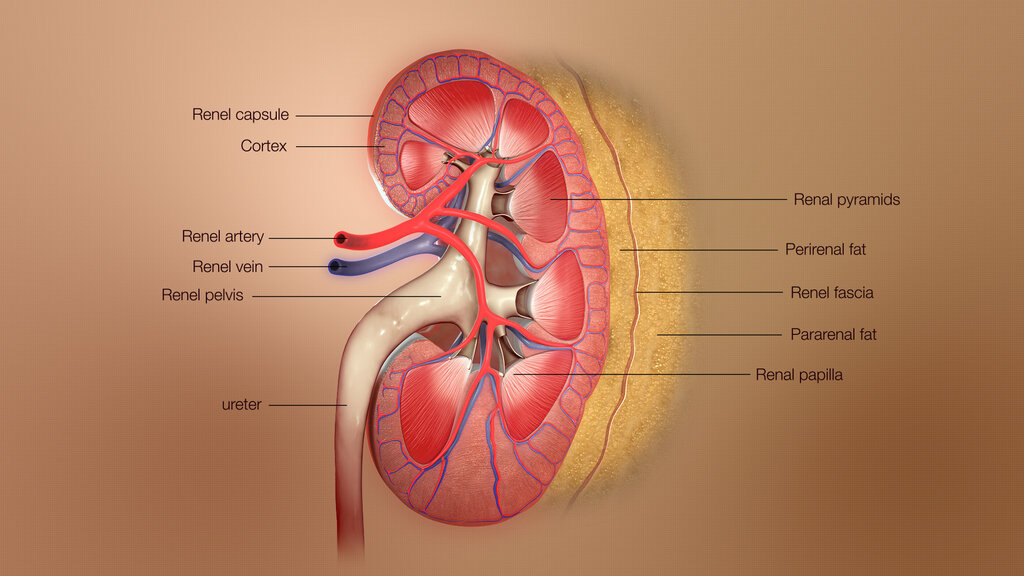
Each kidney has a tough outer layer called the renal capsule. Inside, the kidney is divided into two main regions: the outer cortex and the inner medulla. The cortex contains the initial filtering units, while the medulla consists of cone-shaped structures called renal pyramids, where urine concentration is adjusted. The filtered and processed fluid, now urine, collects in a central cavity called the renal pelvis before flowing out of the kidney through a tube called the ureter.
The Nephron: A Tiny Workhorse
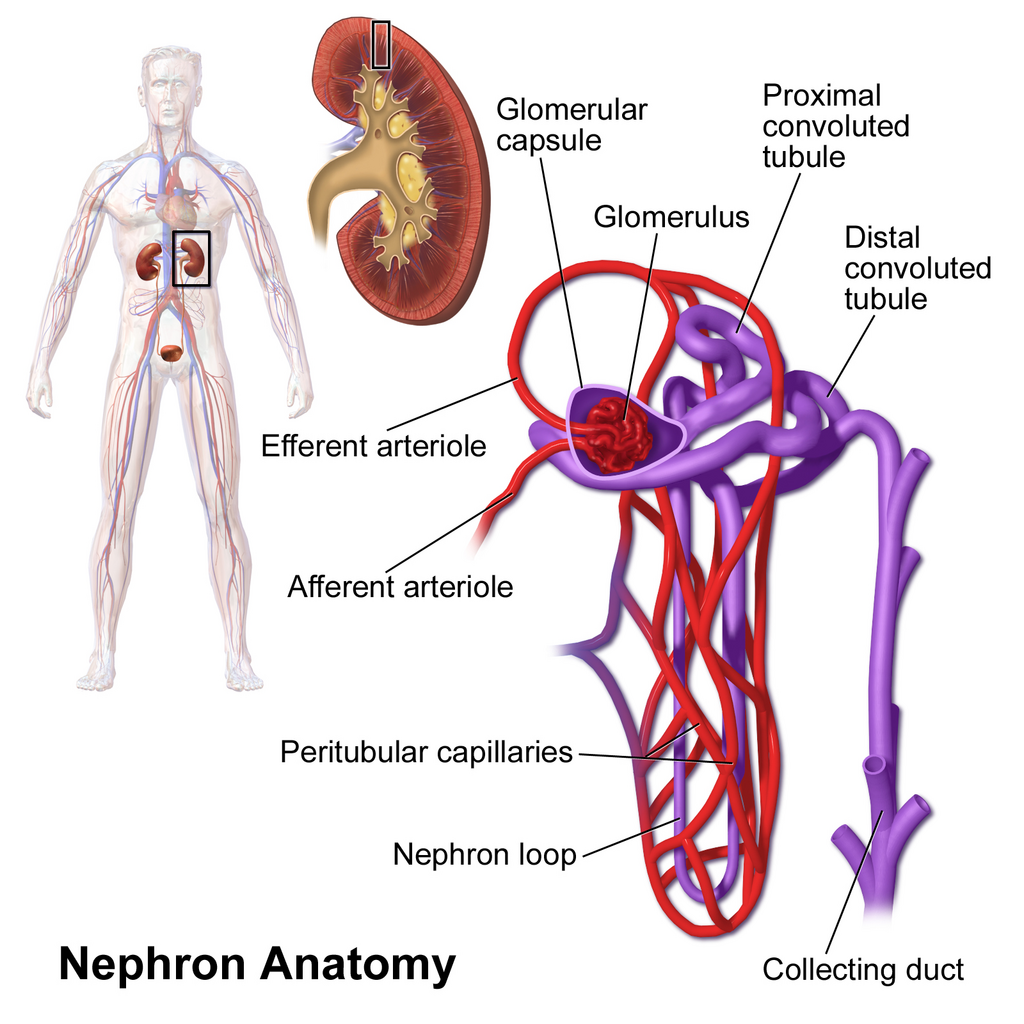
The real work of the kidney happens in about a million microscopic units called nephrons. Each nephron is a tiny, intricate tube responsible for filtering blood and forming urine. It has two main parts: the renal corpuscle and the renal tubule.
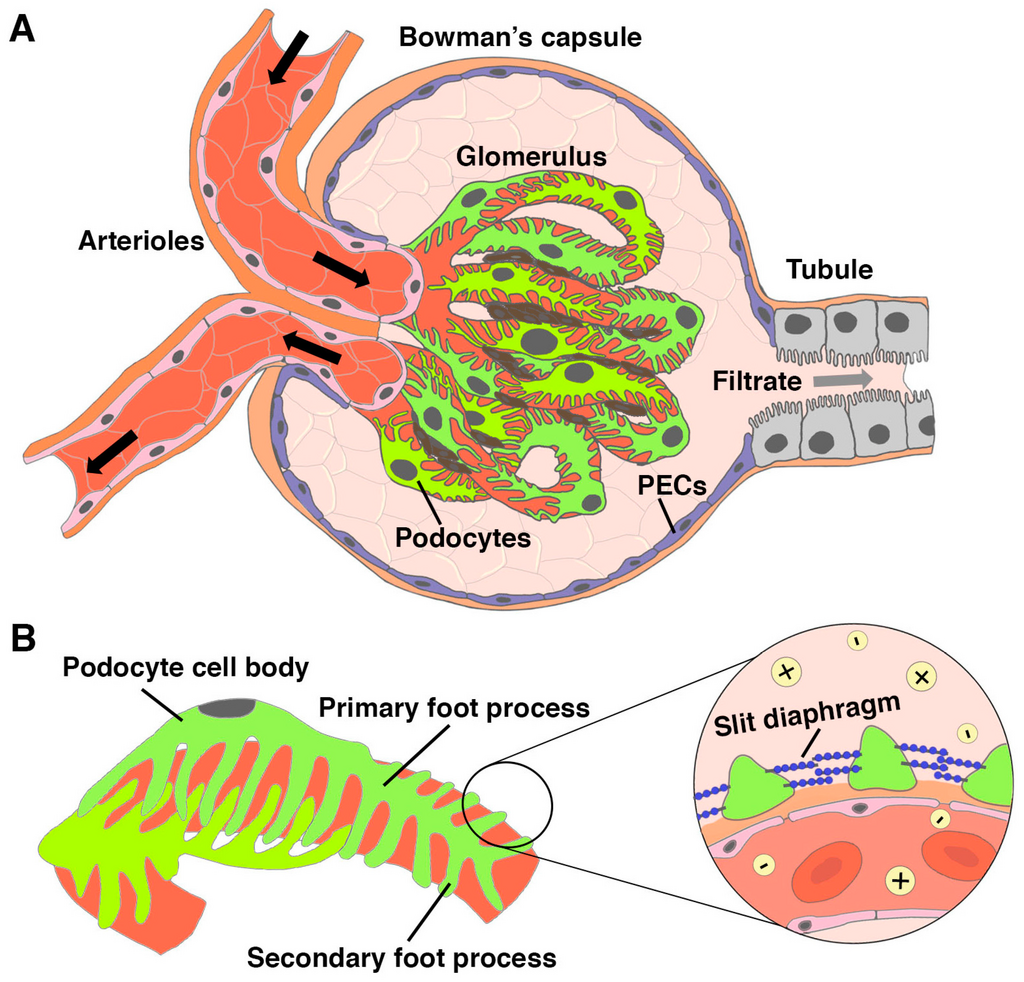
The renal corpuscle is the starting point. It's composed of a tangled ball of capillaries known as the glomerulus, which is cupped by a structure called Bowman's capsule. This is where blood is first filtered.
From Bowman's capsule, the filtered fluid enters the renal tubule. This long, twisting tube is divided into several sections, each with a specific job: the proximal convoluted tubule (PCT), the loop of Henle, the distal convoluted tubule (DCT), and finally, the collecting duct, which gathers fluid from several nephrons.
Step One: Filtration
Urine formation begins with glomerular filtration. Blood enters the glomerulus under pressure, forcing water, salts, glucose, amino acids, and waste products like urea through the porous capillary walls and into Bowman's capsule. Think of it like a coffee filter: it lets the liquid and small dissolved substances pass through while holding back the larger grounds.
In the kidney, the larger components—red blood cells, white blood cells, and large proteins—are held back and remain in the blood. The fluid that passes through is called filtrate. At this stage, it's essentially blood plasma without the large proteins. This is a non-selective process; it filters out waste, but it also removes many substances the body still needs.
Step Two: Refining the Filtrate
After filtration, the nephron's job is to reclaim what the body needs and get rid of what it doesn't. This happens through two processes: tubular reabsorption and tubular secretion.
Tubular reabsorption is the process of moving useful substances from the filtrate back into the blood. This is where the different parts of the renal tubule shine. As the filtrate flows through the proximal convoluted tubule, most of the water, glucose, amino acids, and important electrolytes are actively or passively transported out of the tubule and back into the surrounding capillaries.
The loop of Henle plays a crucial role in concentrating the urine. As the filtrate descends into the medulla, water moves out into the salty surrounding tissue. As it ascends, salt is actively pumped out, making the tissue even saltier. This clever countercurrent mechanism allows the kidneys to conserve water.
Tubular secretion is the opposite of reabsorption. It involves actively transporting waste products and excess substances, like hydrogen ions and potassium, from the blood into the tubule. This process helps fine-tune the composition of the blood and eliminate substances that weren't filtered out in the glomerulus.
Reabsorption takes back the good stuff. Secretion adds more of the bad stuff.
By the time the fluid reaches the collecting ducts, its composition has been carefully adjusted. The collecting ducts pass through the salty medulla one last time, allowing for the final reabsorption of water to concentrate the urine. What remains is a combination of water, urea, excess salts, and other waste products ready for excretion.
Maintaining Balance
Beyond just waste removal, the kidneys are masters of homeostasis—maintaining a stable internal environment. They constantly monitor and adjust the body's fluid levels, electrolyte concentrations, and blood pH.
If you drink too much water, your kidneys produce a large volume of dilute urine to excrete the excess. If you're dehydrated, they conserve water by producing a small amount of highly concentrated urine. This is achieved by regulating how much water is reabsorbed from the collecting ducts.
Similarly, the kidneys regulate levels of crucial electrolytes like sodium, potassium, and calcium. They reabsorb more of these ions when levels are low and allow more to be excreted in the urine when levels are high. By secreting hydrogen ions and reabsorbing bicarbonate, they also play a vital role in keeping your blood pH within a very narrow, healthy range.
This constant, dynamic process of filtration, reabsorption, and secretion allows your kidneys to maintain the precise balance of water and dissolved substances necessary for all your cells to function properly.
What are the two main regions inside the kidney, located under the tough outer layer?
The process of moving useful substances, like glucose and water, from the filtrate back into the blood is called: