Distributed System Time Synchronization
Introduction to Distributed Systems
One System, Many Computers
You use distributed systems every day. When you search online, stream a video, or use a social media app, you're not interacting with a single supercomputer. You're talking to a network of many computers working together. That's the core idea of a distributed system: a collection of separate, independent computers that appears to its users as a single, coherent system.
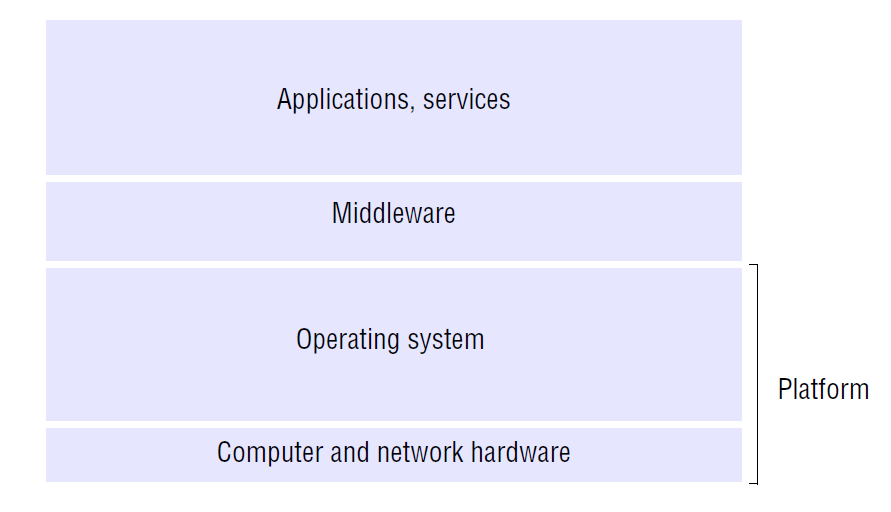
Each computer in the network, often called a node, has its own memory and runs its own processes. They don't share a master clock or a central brain. Instead, they communicate by passing messages over a network. The goal is to coordinate their actions to achieve something they couldn't do alone, like storing massive amounts of data or handling requests from millions of users simultaneously.
Think of it like a group of chefs in a large kitchen preparing a banquet. Each chef has their own station and ingredients (independent nodes), but they must communicate and coordinate to ensure all the dishes are ready at the right time and served together as a single meal.
The Problem of Time
In our kitchen analogy, what happens if one chef's clock is five minutes fast? They might finish the main course before the appetizers are even plated. In a distributed system, this kind of timing issue can cause serious problems. For many tasks, the order of events is critical.
Imagine a simple banking application. If you deposit $100 and then immediately withdraw $50, the system must process the deposit before the withdrawal. If two different nodes handle these requests and their clocks are out of sync, the system might try to process the withdrawal first, see an insufficient balance, and reject the transaction. This is why time synchronization is so important.
Clock Synchronization: Ensuring that all nodes in the system have a consistent view of time, which is crucial for event ordering and coordination.
Without a shared, reliable sense of time, a distributed system can't guarantee that events happen in the correct sequence. This affects everything from financial transactions and database consistency to debugging logs. If each node has a slightly different timestamp for the same event, figuring out what actually happened and when becomes a huge headache.
What Happens When Clocks Drift
The clocks on individual computers aren't perfect. They are physical devices that can be affected by temperature, age, and other environmental factors. Over time, they naturally
drift
verb
To gradually move or change from an original position or state.
away from the true time and, more importantly, from each other. Even a tiny difference, just milliseconds, can build up and lead to chaos.
Unsynchronized clocks can cause:
- Incorrect Data: A system might use an old, stale piece of data because its timestamp misleadingly makes it look newer than a more recent update.
- Faulty Logic: Algorithms that rely on timeouts might fail. For instance, a node might incorrectly assume another node has crashed simply because a response message's timestamp is illogical due to clock skew.
- Security Vulnerabilities: Many security protocols rely on timestamps to prevent replay attacks, where an attacker resends an old message. If clocks are not synchronized, the system might accept a malicious, expired message as valid.
Coordinating these independent clocks is one of the fundamental challenges in building reliable distributed systems.
Let's test your understanding of these fundamental concepts.
What is the core idea of a distributed system?
In a distributed system, individual computers (nodes) do NOT share a...
Now that you understand what a distributed system is and why keeping time is so critical, you're ready to explore how these systems actually achieve synchronization.