Distributed System Design Principles
Introduction to Distributed Systems
One System from Many Parts
When you use a search engine or stream a movie, you're interacting with a distributed system. From the outside, it feels like a single, powerful computer. But behind the scenes, it's actually a network of many independent computers working together.
Distributed System
noun
A collection of independent computers that appears to its users as a single coherent system.
Think of an orchestra. Each musician is an independent player with their own instrument. They could play alone, but when they coordinate under a conductor, they produce a single, complex piece of music. In a distributed system, individual computers are the musicians, and the software they run is the conductor, making them act as one.
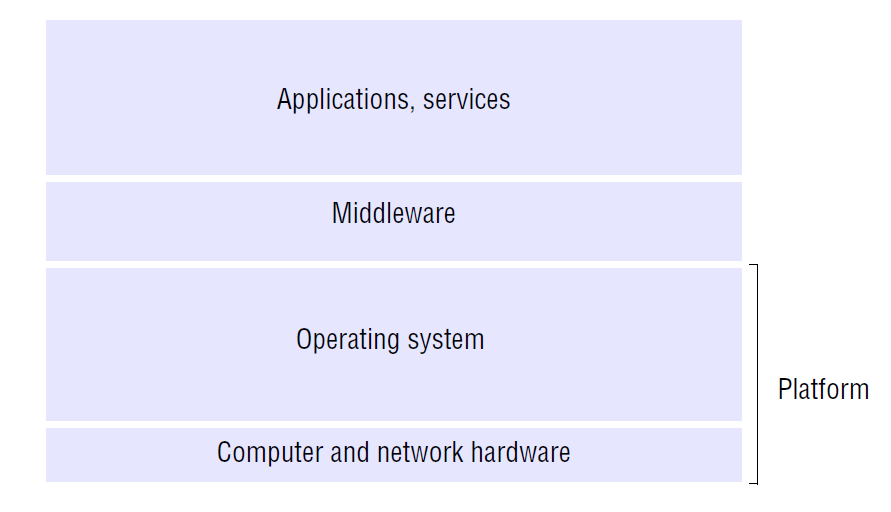
This design isn't just a technical curiosity. It's the foundation of the modern internet. Building systems this way allows for immense power and reliability. To understand how, let's look at the key characteristics that define them.
Core Characteristics
Distributed systems share a set of common traits. These aren't just features, they're the reasons these systems are so powerful and widespread.
First is heterogeneity. The computers in a distributed system don't have to be identical. They can run different operating systems, use different hardware, and be built with different programming languages. A special layer of software, often called middleware, acts as a translator, allowing these diverse components to communicate seamlessly.
Heterogeneity allows a system to be built from a variety of components, like a team where each member has a unique skill.
Next, consider robustness, or fault tolerance. Individual computers can and do fail. Hard drives crash, networks lag, and power goes out. A well-designed distributed system can handle these failures without collapsing. If one computer goes offline, others take over its tasks. The system as a whole remains operational.
This leads directly to availability. Because the system is robust, it's also highly available, meaning it's ready to use when you need it. Services like email or online banking need to be available 24/7. Distributing the workload across many machines in different locations ensures that the failure of a single part doesn't cause a complete outage.
Robustness means the system can survive failures. Availability means the user rarely, if ever, notices them.
How does a system of hundreds or thousands of computers feel like one? Through transparency. A distributed system hides its complexity from the user. You don't need to know which specific server is storing your photo or which processor is running your search query. The system presents a single, simple interface, managing all the complexity behind the curtain.
These systems also manage concurrency. Many users and processes are active at the same time, all sharing resources. The system must coordinate this activity efficiently, preventing conflicts and ensuring that resources like data files or printers are used in an orderly way.
Growing and Staying Open
One of the biggest advantages of distributed systems is scalability. If a website suddenly gets more traffic, you don't have to replace your single server with a more powerful one. Instead, you can just add more computers to the network. This ability to grow by adding more machines (scaling out) is more flexible and cost-effective than trying to make a single machine infinitely powerful (scaling up).
Of course, with many interconnected parts and users, security is critical. The system must protect its resources and data from unauthorized access. This includes authenticating users, ensuring messages sent between computers are private, and preventing denial-of-service attacks that could overwhelm the system.
Finally, modern distributed systems value openness. This means they are designed with standard, well-defined interfaces. Openness allows new components or services, even those made by different developers, to be easily integrated. It makes the system extensible and prevents it from being locked into a single technology.
What is the best analogy for how a distributed system works?
A popular website experiences a sudden, massive increase in traffic. The ability to handle this by adding more machines to the network is called...
These principles work together to create the powerful, reliable, and scalable applications we depend on every day. They allow many small parts to achieve what no single machine could.