Distributed Data Center Operations Essentials
Data Center Basics
What Is a Data Center?
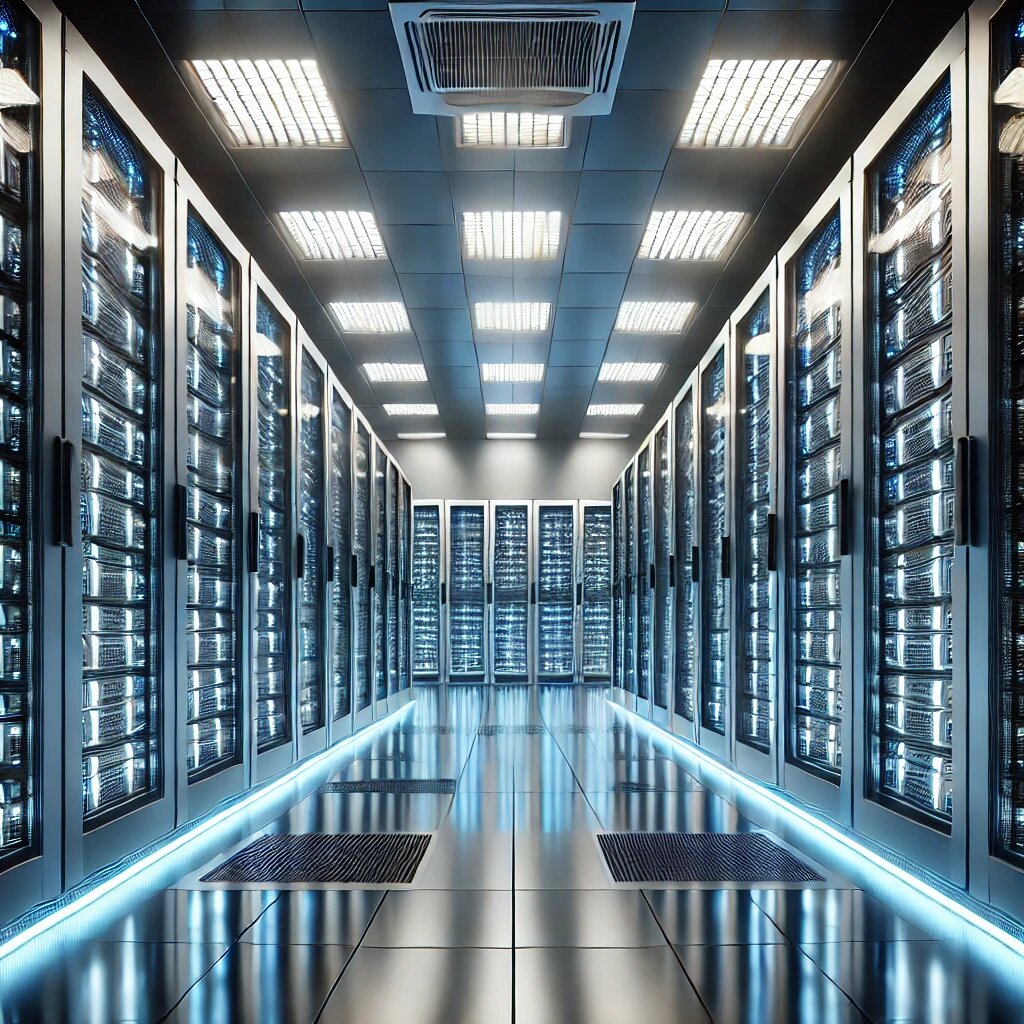
At its core, a data center is a dedicated physical space that houses an organization's computers and networking equipment. Think of it as the brain of a company or the engine of the internet. Its job is to collect, store, process, and distribute the vast amounts of data that power our digital world, from streaming movies and social media feeds to business applications and scientific research.
Data Center is a facility, which houses computer systems and associated components, such as telecommunications and storage systems.
These facilities are far more than just server rooms. They are highly secure, controlled environments designed for reliability, ensuring that the digital services we rely on are always available.
From Room Sized Computers to the Cloud
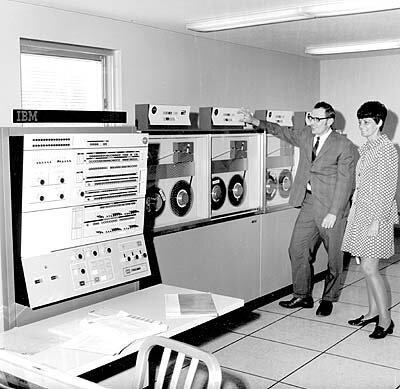
Data centers weren't always the sleek, massive facilities we see today. The concept began with the earliest computers in the 1950s and 60s. These mainframe computers were enormous, often filling entire rooms, and required specialized environments to operate. A company might have just one of these machines to handle all its computing needs.
As computing became more common and affordable in the 1980s, companies started having rooms full of smaller servers. The internet boom of the 1990s and 2000s dramatically scaled up this model. Suddenly, there was a massive demand for facilities that could house thousands of servers to run websites and online services.
This led to the modern era, where data centers have become incredibly sophisticated. The most recent major shift has been the move to cloud computing, which changed how businesses access computing power, leading to new types of data centers.
The advent of cloud computing in the 2000s transformed the data center landscape, as companies began to migrate their data and applications to virtualized infrastructure.
Types of Data Centers
Not all data centers are the same. They can be categorized based on who owns them and who has access to them.
Enterprise Data Centers These are facilities built, owned, and operated by a single company for its own internal use. The company has full control over its infrastructure and security. While this offers maximum control, it's also the most expensive option to build and maintain.
Colocation Facilities A colocation (or "colo") is like a technology apartment building. A company owns the facility itself—providing the building, cooling, power, and security—and then rents out space to other businesses. The businesses bring in their own servers and storage, but they don't have to worry about the physical infrastructure.
Cloud Data Centers These data centers are owned and operated by cloud service providers like Amazon Web Services (AWS), Google Cloud, and Microsoft Azure. Instead of renting physical space, customers rent access to virtual computing resources. This model offers incredible flexibility and scalability, allowing businesses to easily adjust their computing power as needed without buying physical hardware.
The Core Components
Every data center, regardless of type, relies on a few key physical components working together. These are the building blocks of its infrastructure.
Server
noun
A computer designed to process requests and deliver data to other computers over a network. In a data center, thousands of servers are mounted in tall racks.
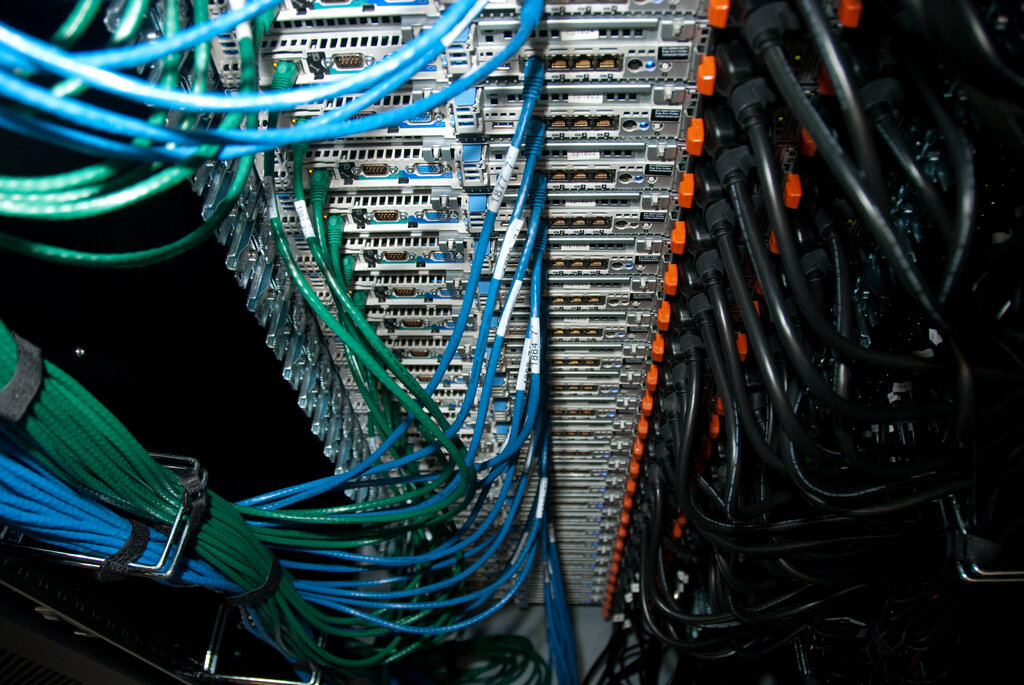
Servers are the workhorses. They perform the actual computations, run applications, and serve up data. They are typically thin, rectangular boxes that can be stacked efficiently in large cabinets called racks.
Storage Systems hold the data. This can include everything from traditional hard disk drives (HDDs) to faster solid-state drives (SSDs). Large-scale systems are designed for both high capacity and quick access.
Networking Equipment connects everything together. This includes switches, routers, and cabling that create pathways for data to travel between servers, storage systems, and the outside world via the internet. It's the circulatory system of the data center.
Power and Cooling are the life support systems. Data centers consume a tremendous amount of electricity to run the equipment. This power infrastructure includes backup generators and uninterruptible power supplies (UPS) to ensure the facility never loses power.
All that electricity generates a lot of heat. If servers get too hot, they fail. Cooling systems, from simple air conditioning units to advanced liquid cooling, are critical for maintaining a stable operating temperature and keeping everything running smoothly.
Power and cooling are often the biggest operational challenges and expenses in running a data center.
Now you have a grasp of the fundamentals. Let's see what you've learned.
What is the primary function of a data center?
A startup wants to use its own servers but lacks the resources to build a facility with redundant power, cooling, and security. Which type of data center would be the best fit for this company?
These core concepts are the foundation for understanding how our digital world is physically built and maintained.