Distinguishing Ego and Divine Messaging
Understanding Ego-Driven Messages
The Voice of the 'I'
When we communicate, we're not just sharing information. We're also presenting a version of ourselves. The part of our psyche responsible for this self-presentation is often called the ego. It's the voice of 'I'—our sense of personal identity, self-esteem, and separateness from others.
Ego
noun
The part of the mind that mediates between the conscious and the unconscious and is responsible for reality testing and a sense of personal identity.
The ego’s primary job is self-preservation. It wants to protect and enhance our sense of self. This isn't inherently bad; it helps us navigate the world and maintain a stable identity. But in communication, especially on spiritual matters, this drive can color the message. An ego-driven message often serves the speaker's needs more than the listener's or the truth itself.
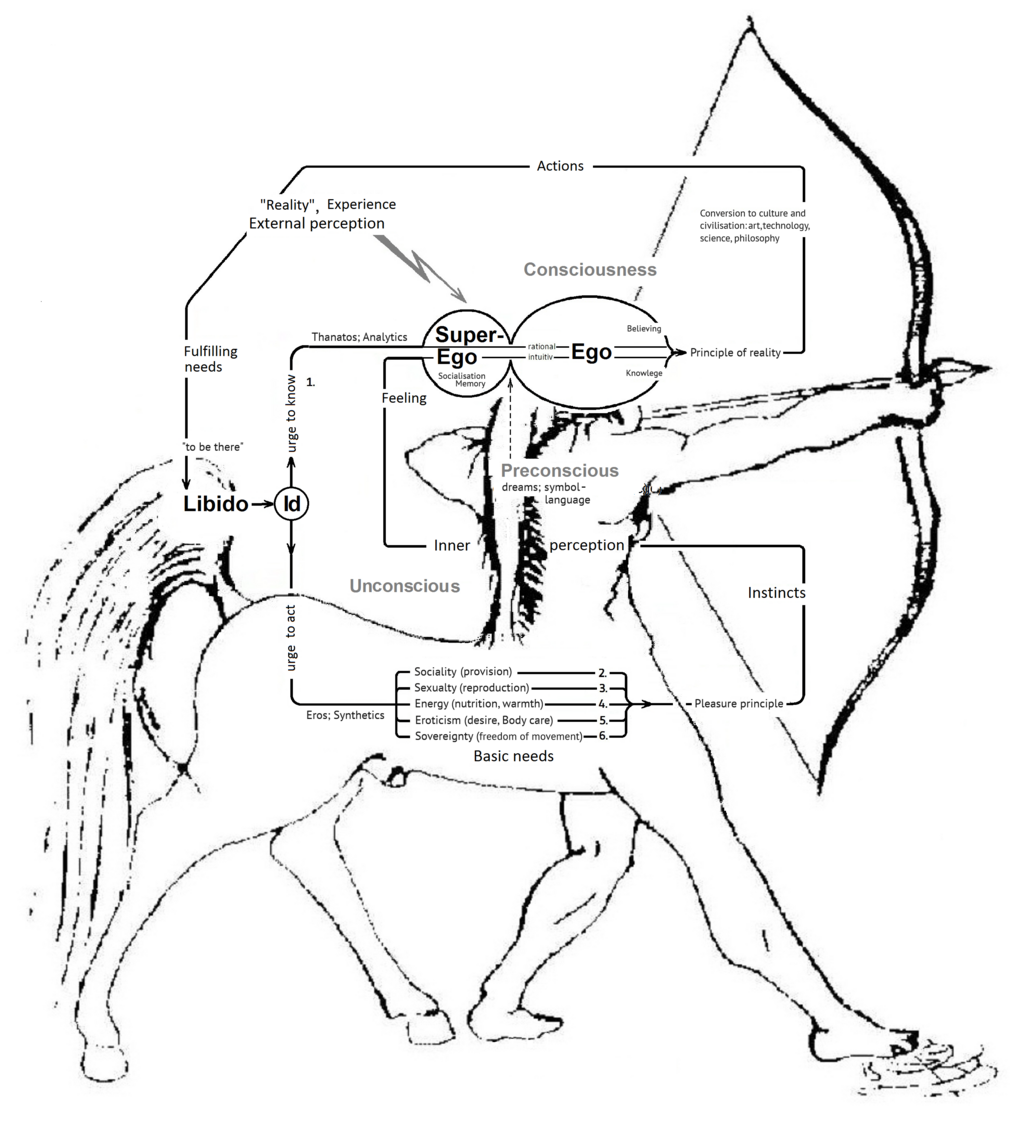
How the Ego Writes Its Script
Ego-driven messages don't appear out of nowhere. They are scripted by powerful psychological forces: our deepest desires and fears. The ego acts like a filter, shaping information to meet these underlying needs.
Desires often revolve around significance and validation. The ego wants to be seen as right, wise, special, or authoritative. A message might be crafted to make the speaker look knowledgeable or spiritually advanced, even if it means exaggerating claims or omitting inconvenient details.
Fears are just as influential. The ego fears being wrong, ignored, rejected, or insignificant. This can lead to defensive communication, an unwillingness to admit mistakes, or the harsh judgment of other beliefs. Fear can cause someone to present ideas with rigid certainty, because ambiguity feels threatening to the ego's sense of control.
At its core, ego scripting is a strategy for self-protection. A message shaped by the ego is designed to build up the self, defend it from perceived threats, or both.
Our attachments also play a key role. When we are strongly attached to a particular belief, identity, or outcome, the ego will defend it fiercely. Any information that challenges that attachment is seen as a personal attack, and the resulting communication becomes a defense of the self, not an exploration of truth.
Ego in Spiritual Contexts
Spiritual and religious texts are meant to convey profound truths, but the messengers are human. The influence of the ego can often be seen in how these truths are interpreted and shared. The history of religion is filled with examples of messages shaped by very human needs.

Consider a preacher who insists that their interpretation of a sacred text is the only correct one. This can be a manifestation of the ego's desire for authority and its fear of being wrong. By claiming exclusive access to the truth, the ego elevates itself. It creates a clear hierarchy with the speaker on top.
Another example is a spiritual teaching that heavily emphasizes the 'othering' of non-believers, portraying them as lost or morally inferior. While this might be framed as a warning, it can also serve the ego's need for a strong group identity. By defining a clear 'out-group,' the ego reinforces the special status of the 'in-group,' making its members feel more secure and significant.
Finally, think of how personal ambition can shape a message. A spiritual leader might interpret scripture to justify their own wealth, power, or lifestyle. The message becomes a tool for the ego's desires, bending timeless wisdom to serve a temporary, personal agenda.
The Ego sits in the middle, balancing desire with values.
Understanding this dynamic is the first step. When you can recognize the tell-tale signs of fear, desire, and attachment in a message, you can begin to see past the script and evaluate the core ideas for yourself.
Ready to check your understanding?
According to the provided text, what is the ego's primary job?
A speaker presents their ideas with rigid certainty, unwilling to consider alternative viewpoints or admit any possibility of being mistaken. Which underlying psychological force is most likely scripting this message?
Recognizing the ego's influence is a critical skill in parsing spiritual messages. It allows you to separate the timeless wisdom from the very human fingerprints left upon it.