Disease-Specific Diet Planning Fundamentals
Nutrition Basics
The Building Blocks of Your Diet
Everything you eat is made of nutrients that your body uses for energy, growth, and repair. Think of them as the raw materials your body needs to function. These nutrients are split into two main groups: macronutrients and micronutrients. Your body needs large amounts of macronutrients, and smaller amounts of micronutrients, but both are essential.
Macronutrients are the primary food groups—carbs, fats, and protein—while micronutrients are the vitamins and minerals found in fruits, vegetables, and water, such as calcium, folate, iron, vitamin B-6, vitamin B-12, vitamin C, vitamin E, and zinc.
Macronutrients The Big Three
Macronutrients are the nutrients your body needs in the largest quantities. They provide the energy, measured in calories, that fuels everything from a morning run to simply breathing. There are three types: carbohydrates, proteins, and fats.
Carbohydrate
noun
The body's main source of energy, found in foods like grains, fruits, and vegetables.
Carbohydrates, or carbs, are your body's go-to fuel source. When you eat carbs, your body breaks them down into glucose (sugar), which enters your bloodstream and powers your cells. It's the quickest way to get energy.
There are two main types. Simple carbohydrates are found in things like table sugar and fruit juice, providing a quick burst of energy. Complex carbohydrates, found in whole grains, beans, and starchy vegetables, release energy more slowly, keeping you feeling full and energized for longer.
Protein
noun
A macronutrient essential for building, maintaining, and repairing tissues in the body.
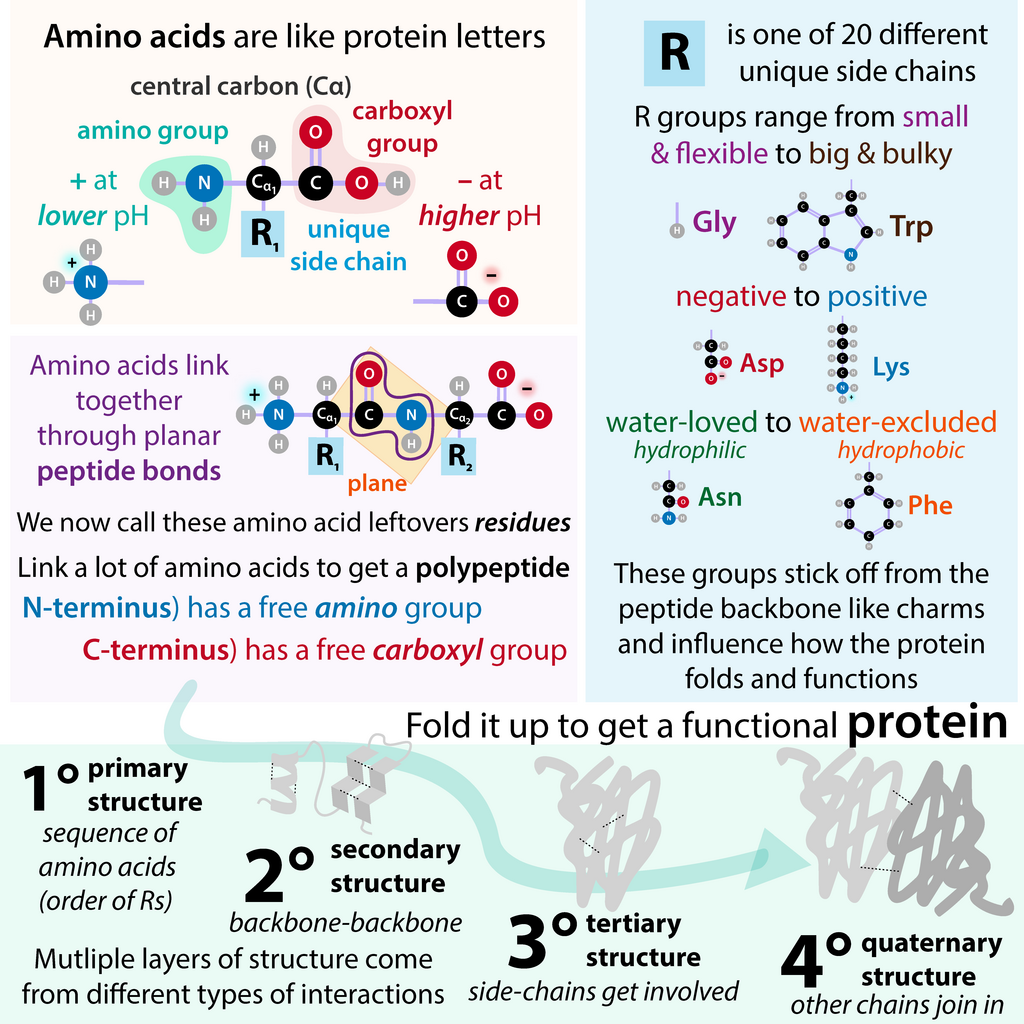
If carbs are your body's fuel, protein is its building material. It's made up of smaller units called amino acids. Your body uses protein to build and repair muscles, organs, and skin. It’s also crucial for making enzymes and hormones that regulate bodily functions.
You can find protein in a variety of foods, including meat, fish, eggs, dairy products, beans, lentils, and nuts.
And finally, there's fat. Fats have gotten a bad reputation, but they are essential for your health.
Fat
noun
A macronutrient that provides a concentrated source of energy and supports cell function and hormone production.
Fats are a dense source of energy, helping you store fuel for later. They also play a critical role in absorbing certain vitamins (A, D, E, and K), producing important hormones, and protecting your organs. Not all fats are created equal. Unsaturated fats, found in foods like avocados, nuts, and olive oil, are beneficial for heart health. Saturated and trans fats, often found in processed foods and some animal products, should be consumed in moderation.
Micronutrients Small but Mighty
Unlike macronutrients, your body only needs micronutrients in small amounts. But don't let their size fool you. These vitamins and minerals are vital for nearly every process in your body, from fighting off infections to keeping your bones strong.
Micronutrients are vitamins and minerals required in tiny amounts—but they play massive roles in keeping us healthy.
Vitamins are organic compounds that help regulate body processes. Vitamin C, for instance, is crucial for your immune system, while the B vitamins help you convert food into energy.
Minerals are inorganic elements that are just as important. Calcium builds strong bones and teeth, iron carries oxygen in your blood, and potassium helps maintain fluid balance and nerve function.
Putting It All Together
A balanced diet isn't about cutting out entire food groups. It's about getting the right mix of carbohydrates, proteins, and fats, along with a wide array of vitamins and minerals. The best way to achieve this is by eating a variety of whole foods.
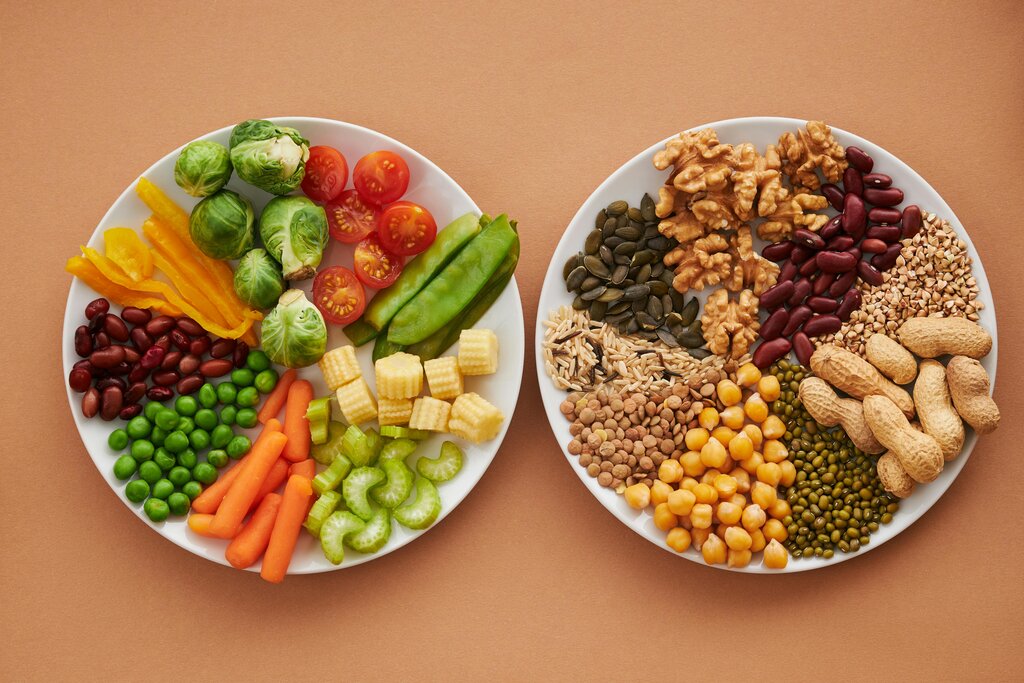
Think of your plate as a colorful palette. Fill it with fruits, vegetables, lean proteins, whole grains, and healthy fats. This diversity ensures you're covering all your nutritional bases, giving your body everything it needs to thrive.
Understanding these basic building blocks is the first step toward making informed choices about what you eat.
What is the primary function of carbohydrates in the human body?
Which of the following is classified as a macronutrient?