Discovering Your Authentic Voice
Understanding Self-Expression
What Is Self-Expression?
Self-expression is the act of making your inner world visible to others. It’s how you communicate your thoughts, feelings, beliefs, and personality. Think of it as a bridge between who you are on the inside and how the world sees you on the outside. Every time you share an opinion, choose an outfit, or tell a joke, you are expressing a part of yourself.
Self-Expression
noun
The expression of one's own personality, feelings, or ideas, especially through art, writing, or music.
This act of sharing is fundamental to building your personal identity. Your identity isn't a fixed thing you're born with; it’s something you discover and build throughout your life. Self-expression is a key part of that process. By expressing what you think and feel, you clarify those ideas for yourself. It’s in the telling of our stories that we often figure out what they mean.
Expressing yourself helps you understand yourself. It turns vague feelings into concrete thoughts and helps you see your own values more clearly.
The Many Forms of Expression
Self-expression isn't limited to one channel. It flows through everything we do and can be broadly grouped into a few key categories.
Verbal Expression is the most obvious form. It’s the words you choose when you talk or write. Are you direct or subtle? Do you use humor to make a point? The stories you tell, the opinions you share, and the questions you ask all paint a picture of who you are. Sharing your thoughts and feelings verbally is a powerful way to connect with others and build relationships.
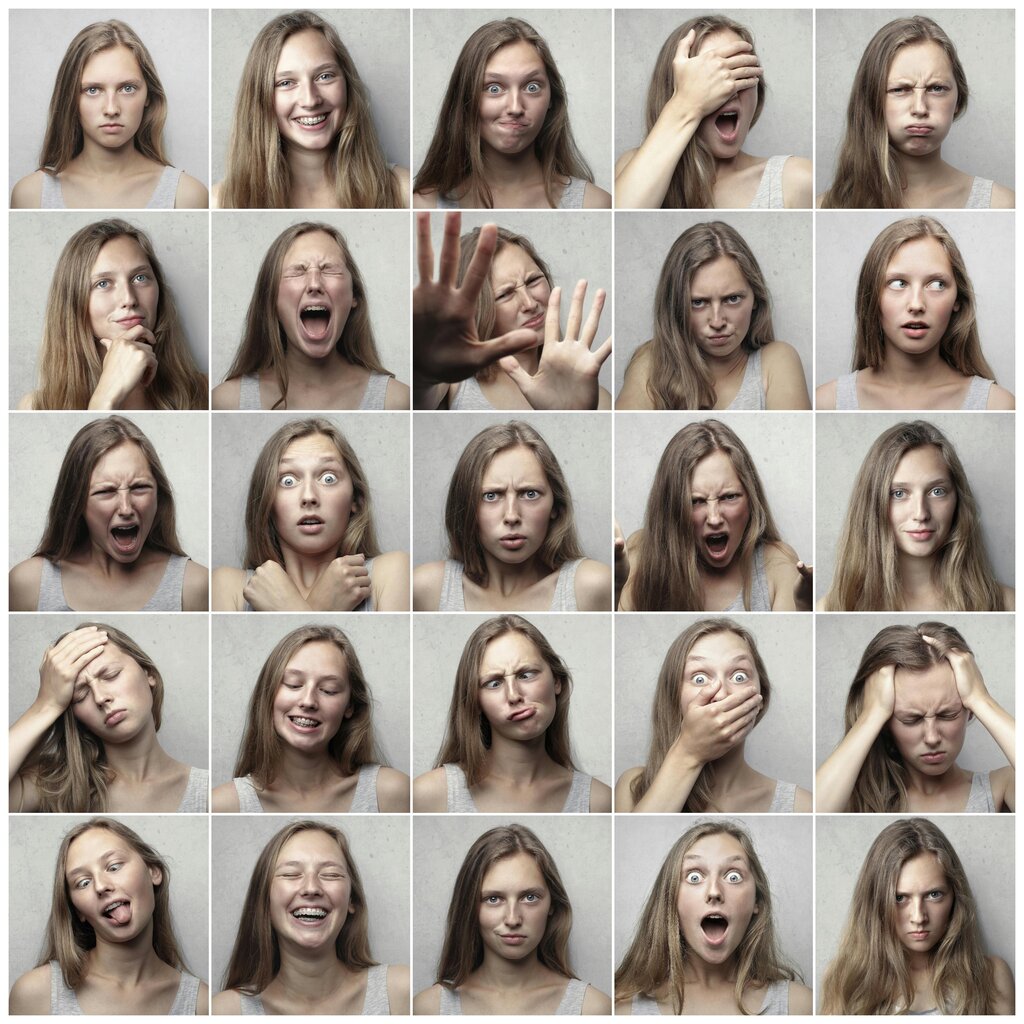
Non-verbal Expression often says more than words can. Your body language, facial expressions, and posture are constantly sending messages. A smile, a frown, a confident stance, or a nervous fidget all communicate your internal state. These cues are often subconscious, offering a more instinctual glimpse into how you're feeling in a given moment.
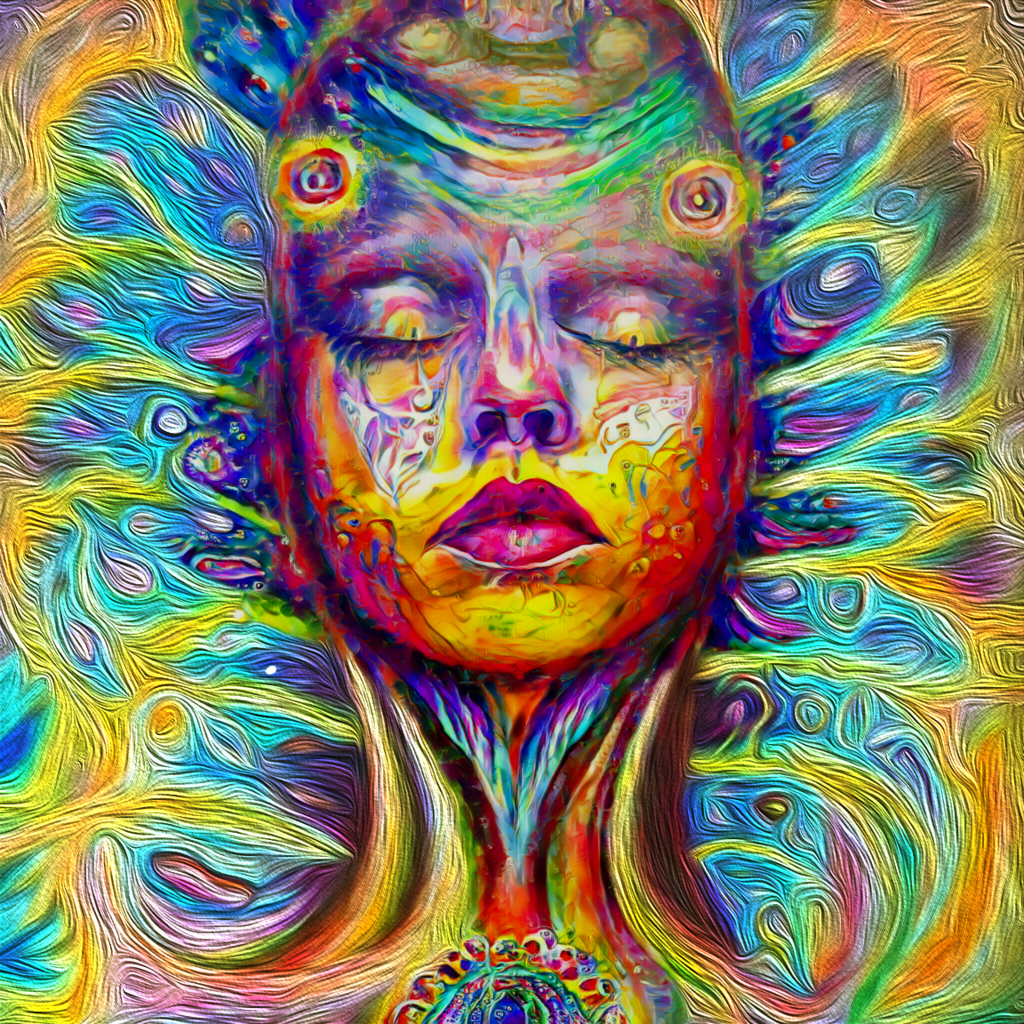
Artistic Expression is a channel for the thoughts and feelings that are too big or complex for simple conversation. This includes painting, music, dance, writing, fashion, and countless other creative outlets. Through art, you can explore ideas and emotions in a symbolic way, creating something that is uniquely yours. It provides a space to process experiences and share your perspective with the world in a deeply personal way.
Why It Matters for You
Understanding and practicing self-expression is crucial for emotional well-being. When you hold back your thoughts and feelings, it can lead to stress, anxiety, and a sense of being disconnected from your true self. Expressing yourself, on the other hand, is liberating. It validates your feelings and reinforces your sense of self-worth.
Authenticity in expression: Focus on expressing your genuine thoughts, feelings, and intentions rather than trying to impress or manipulate.
By sharing who you are, you invite others to know you on a deeper level, fostering more authentic and meaningful connections. It’s not about being loud or demanding attention; it’s about allowing your genuine self to be seen and heard. This honest communication builds trust and strengthens your relationships, both with others and with yourself.
Now, let's test what you've learned about the fundamentals of self-expression.
What is the primary function of self-expression?
According to the text, what is the relationship between self-expression and personal identity?