Discovering Sake
Introduction to Sake
What is Sake?
Sake is a traditional Japanese alcoholic beverage made by fermenting rice. It’s often called “rice wine,” but that’s a bit misleading. While wine is made by fermenting the natural sugars in fruit, sake's brewing process is actually closer to that of beer. In beer brewing, the starches in grains are converted to sugar and then fermented into alcohol. Sake follows a similar path, but with a unique twist.
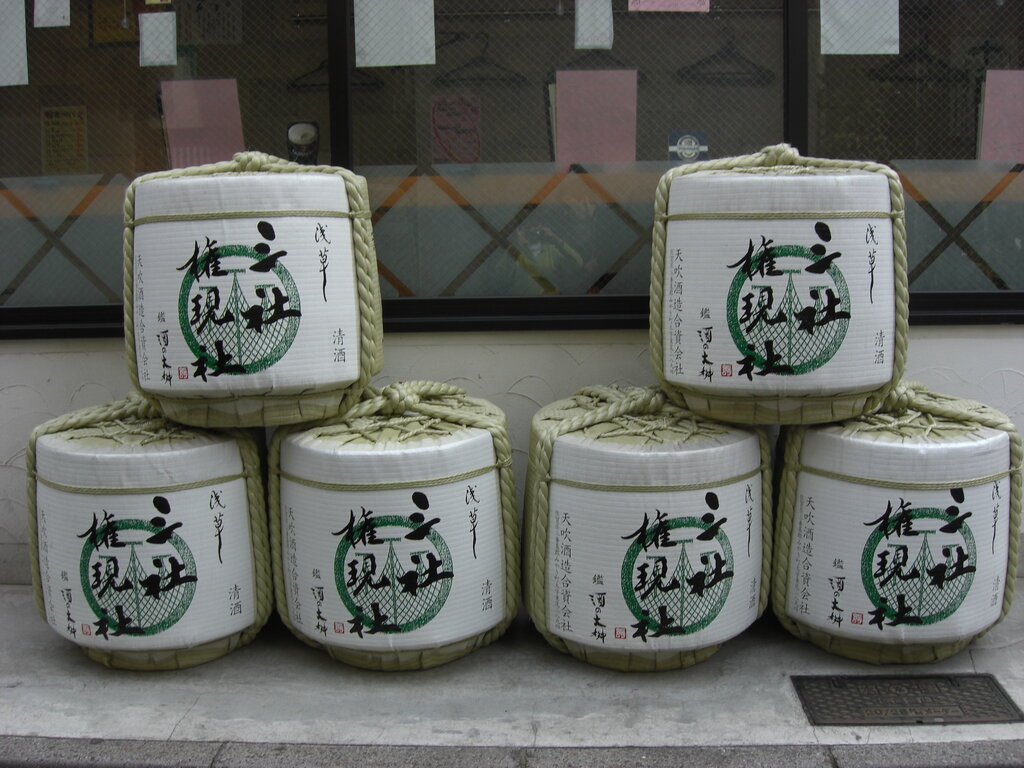
The key difference lies in how the starch-to-sugar conversion happens. This unique process gives sake its distinct character and places it in a category of its own.
The Four Key Ingredients
At its heart, sake is incredibly simple, made from just four ingredients: rice, water, yeast, and a special mold called kōji.
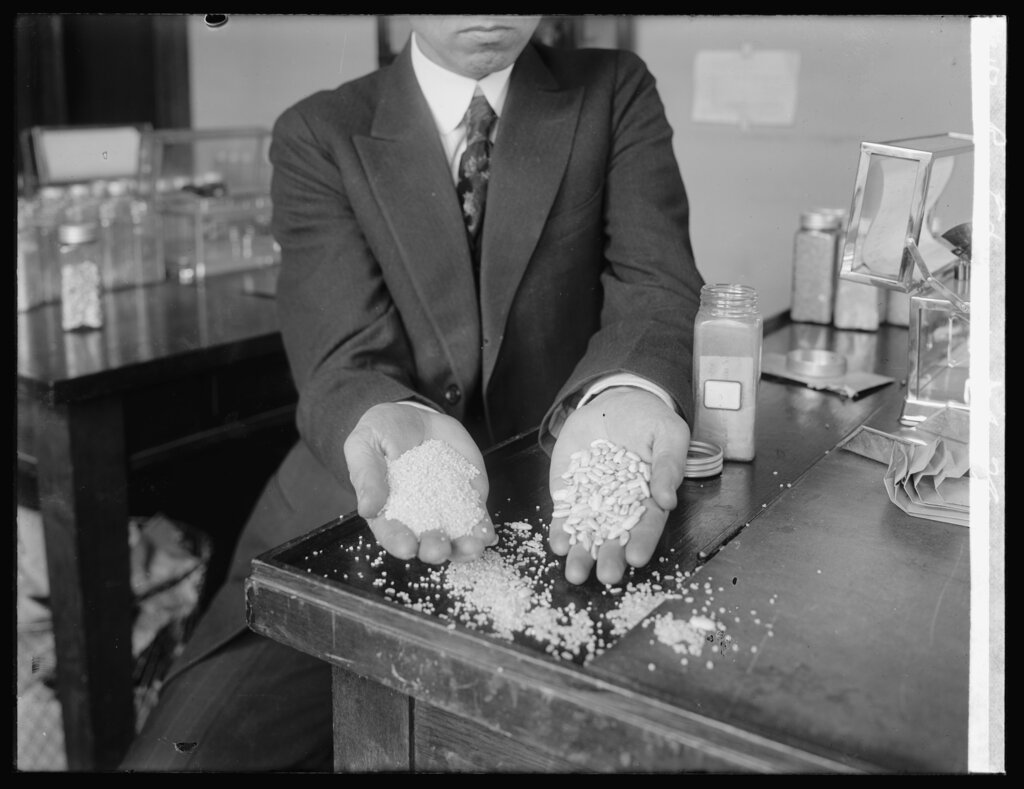
Rice: Not just any table rice will do. Brewers use specific varieties of sake rice, known as sakamai (酒米). These grains are larger than eating rice and have a starchy core. Before brewing, the rice is polished to remove the outer layers of fat and protein, which can create off-flavors.
Water: Sake is about 80% water, so its quality is paramount. The mineral content of the water plays a huge role in the fermentation process and the final taste. Soft water tends to produce a softer, lighter sake, while harder water with more minerals can lead to a richer, more robust flavor.
Yeast: Yeast is the microscopic powerhouse that eats the sugars in the rice and converts them into alcohol and carbon dioxide. Different strains of yeast produce different aromas and flavors, ranging from fruity and floral notes like apple and banana to more savory, earthy tones.
And finally, the magic ingredient that makes sake possible.
Kōji
noun
A type of mold (Aspergillus oryzae) that is cultivated on steamed rice. It produces enzymes that break down complex rice starches into simple sugars that yeast can ferment.
Without kōji, there would be no sake. Yeast can't process the complex starches in rice on its own. Kōji does the essential prep work, unlocking the sugars locked inside the rice grains.
A Glimpse into Brewing
Sake brewing involves a remarkable process called "multiple parallel fermentation." This sounds technical, but the idea is simple. The kōji breaks down rice starch into sugar, and at the same time, in the very same tank, yeast consumes that sugar to create alcohol. These two processes happen simultaneously.
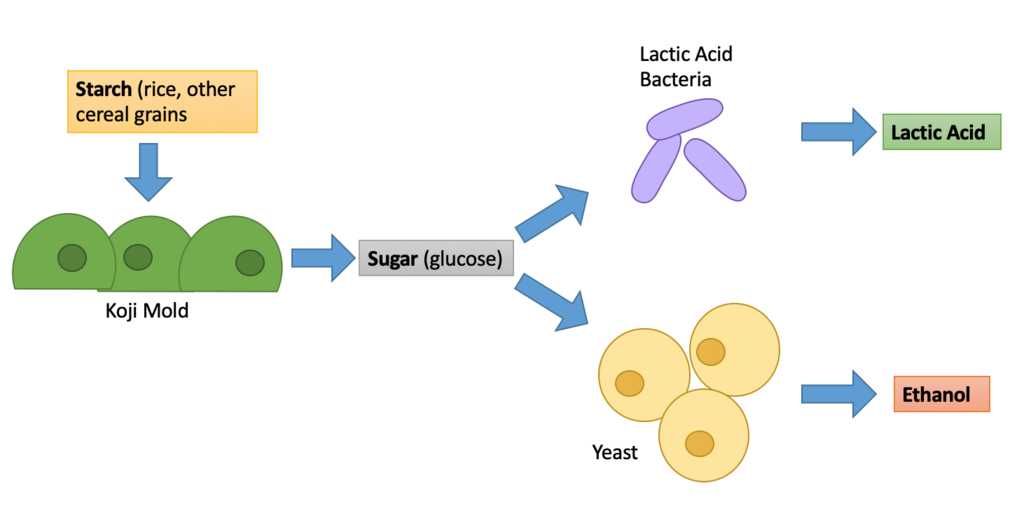
This parallel action allows for a much higher alcohol concentration than is possible with beer brewing, where starch conversion and fermentation happen in separate steps. It's a delicate and beautiful biological dance that brewers have perfected over centuries.
Sake in Japanese Culture
Sake is more than just a drink in Japan; it’s deeply woven into the cultural fabric. It's a central element in Shinto rituals, where it's offered to the gods and used in purification ceremonies. It’s also shared during important life events, from weddings and festivals to New Year's celebrations.
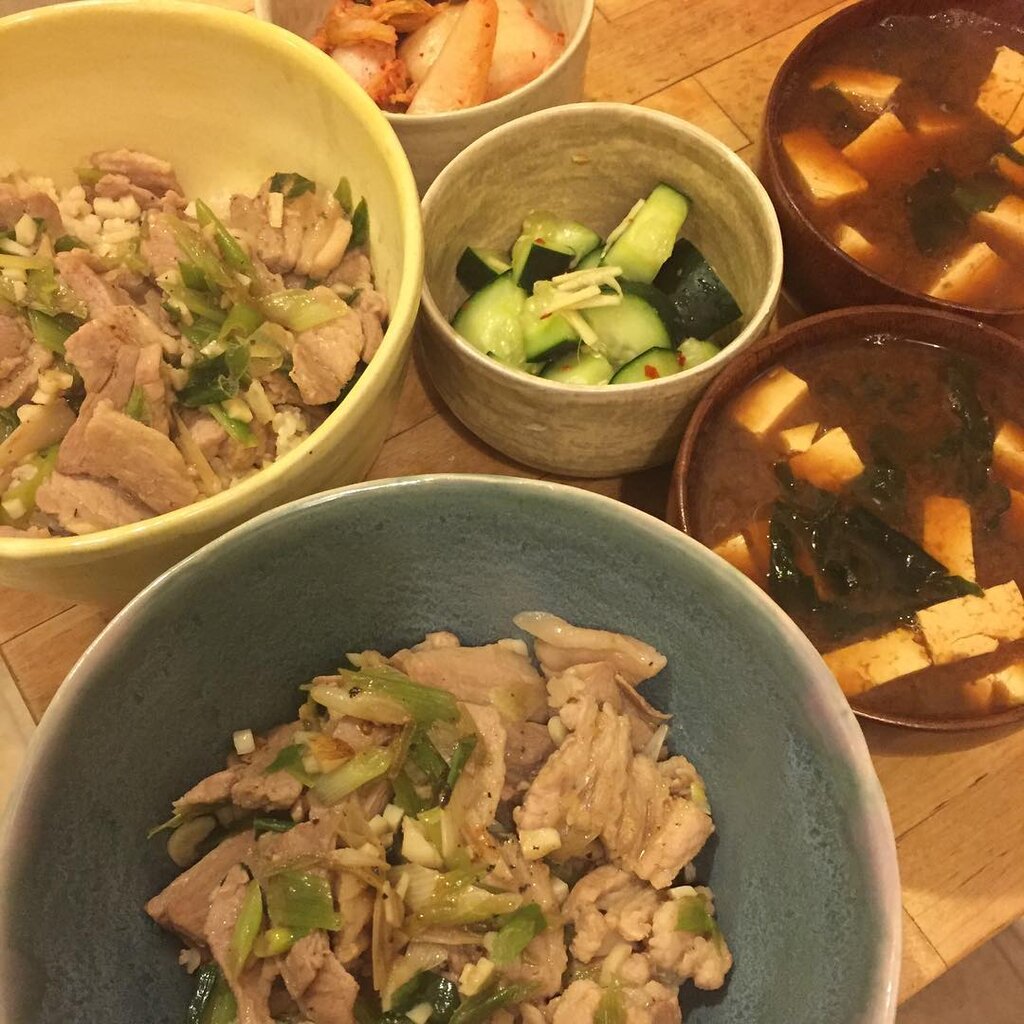
Beyond formal ceremonies, sake is a staple of social life. It’s enjoyed with meals, shared among friends at an izakaya (a Japanese pub), and given as a respected gift. This versatile beverage connects people to their history, their spirituality, and to each other.
While often called 'rice wine', sake's brewing process is actually more similar to that of which other beverage?
What is the primary role of kōji in the sake brewing process?