Discovering New Fungi in the Azores
Introduction to Mycology
The Hidden Kingdom
Welcome to mycology, the study of fungi. For a long time, we lumped fungi in with plants. They don't move, and many grow in the soil. But fungi are a world unto themselves, a separate kingdom of life just as distinct as plants or animals.
So, what makes a fungus a fungus? Unlike plants, they don't perform photosynthesis. Instead, they are heterotrophs, meaning they get their nutrients from other organisms. But unlike animals, they don't eat their food; they absorb it. Fungi release digestive enzymes into their surroundings, break down organic matter, and then absorb the resulting nutrients directly through their cell walls.
These cell walls are also unique. While plant cell walls are made of cellulose, fungal cell walls are made of chitin, the same tough substance found in the exoskeletons of insects and crustaceans.
Mycelium
noun
The vegetative part of a fungus, consisting of a network of fine white filaments called hyphae.
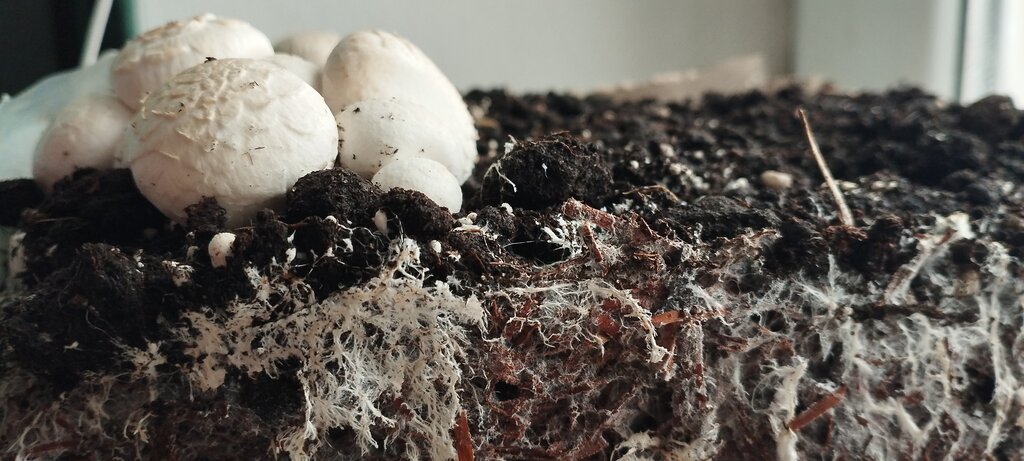
Most of a fungus's body is a vast, branching network of thread-like structures called hyphae. This entire network is the mycelium. It can be microscopic or spread over acres. The mushrooms you see are just the temporary reproductive structures, or fruiting bodies, of a much larger underground organism.
Life Cycles and Spores
Fungi have one main goal: to grow, reproduce, and spread. They do this primarily through spores, which are tiny reproductive cells. Spores are like the seeds of the fungal world, but much smaller and simpler. A single mushroom can release billions of them into the air, each capable of growing into a new fungus if it lands in a suitable environment.
When a spore lands in a moist place with food, it germinates and sends out a hypha. This hypha branches and grows, forming a new mycelium. When conditions are right, and often after fusing with another compatible mycelium, this network will produce a new fruiting body, completing the cycle. Fungi can also reproduce asexually, often by simply fragmenting their mycelium or producing spores without a sexual stage.
The World's Great Recyclers
Fungi aren't just strange growths in the forest; they are essential to life on Earth. Their most critical role is as decomposers. They break down dead organic material, from fallen leaves to dead animals, returning vital nutrients like carbon and nitrogen to the soil. Without fungi, forests would be buried under mountains of dead wood and leaves.
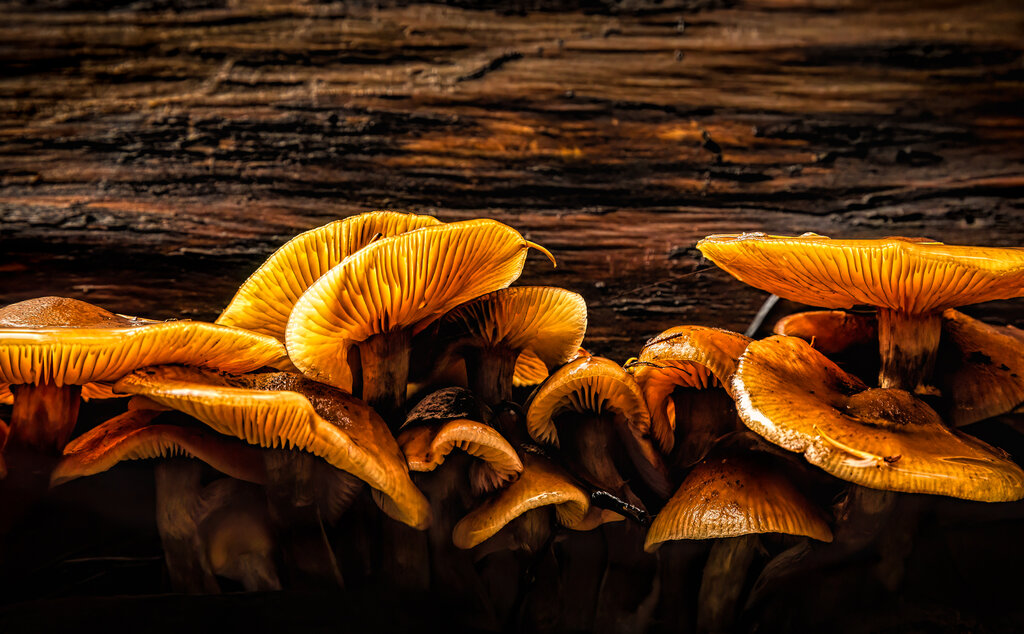
Many fungi also form symbiotic relationships with other organisms. The most famous is mycorrhiza, a partnership between fungi and plant roots. The mycelium extends far beyond the reach of the plant's roots, absorbing water and nutrients and sharing them with the plant. In return, the plant provides the fungus with sugars produced through photosynthesis. It's a classic win-win that benefits about 90% of all plant species.
Other fungi partner with algae or cyanobacteria to form lichens, which can survive in some of the harshest environments on the planet.
Of course, not all fungal interactions are helpful. Some are parasitic, causing diseases in plants (like rusts and mildews) and, less commonly, in animals and humans (like athlete's foot and ringworm).
A Kingdom of Variety
The fungal kingdom is incredibly diverse, with millions of species. They come in an astonishing array of shapes, sizes, and colors. When we think of fungi, we often picture a classic toadstool, but that's just one small part of the story.
There are single-celled yeasts used to make bread and beer. There are the fuzzy molds that grow on old fruit. And there are the complex, multicellular mushrooms that range from delicate, coral-like structures to gelatinous blobs and tough, woody brackets on trees.
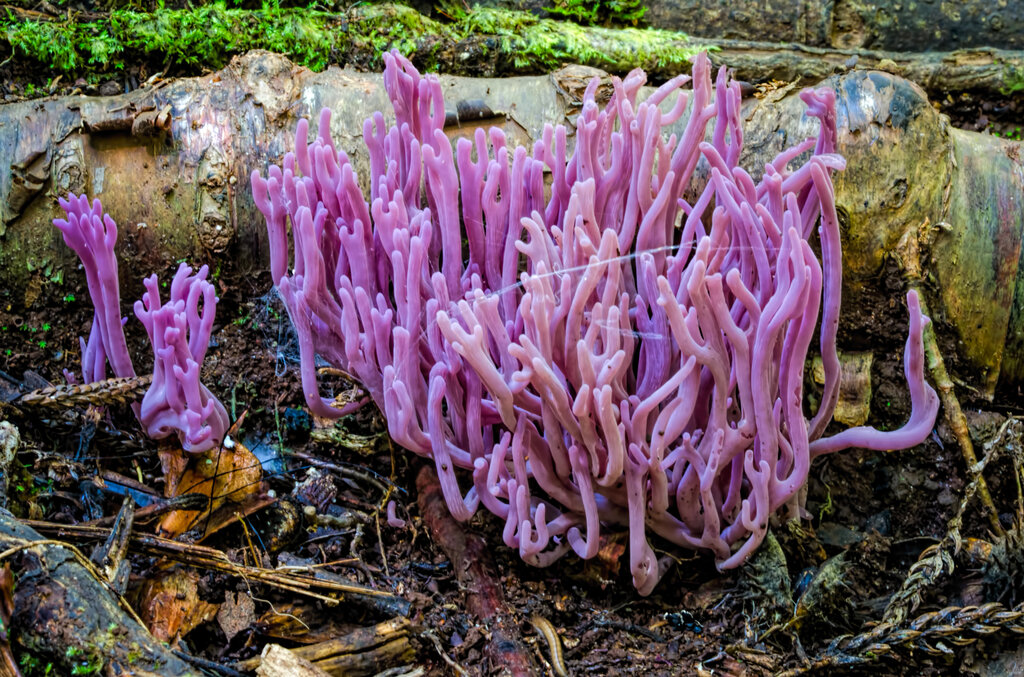
This diversity reflects the many different niches fungi occupy in every ecosystem on Earth, from the deep sea to the highest mountains. They are a fundamental, though often overlooked, part of the natural world.
Let's check your understanding of these fungal fundamentals.
What is the primary structural component of fungal cell walls, which is also found in the exoskeletons of insects?
A massive, ancient fungus in Oregon is considered one of the largest living organisms on Earth. What part of the fungus accounts for the vast majority of its size and mass?
This basic understanding of what fungi are, how they live, and what they do is the foundation of mycology. From here, we can begin to explore their incredible diversity and unique roles in specific environments.