Discovering Lucknow
Introduction to Lucknow
The City of Nawabs
Lucknow is the capital of Uttar Pradesh, India's most populous state. You'll find it in the northern part of the country, situated on the banks of the Gomti River. This location places it in the heart of the vast Gangetic plain, a fertile and historically significant region.
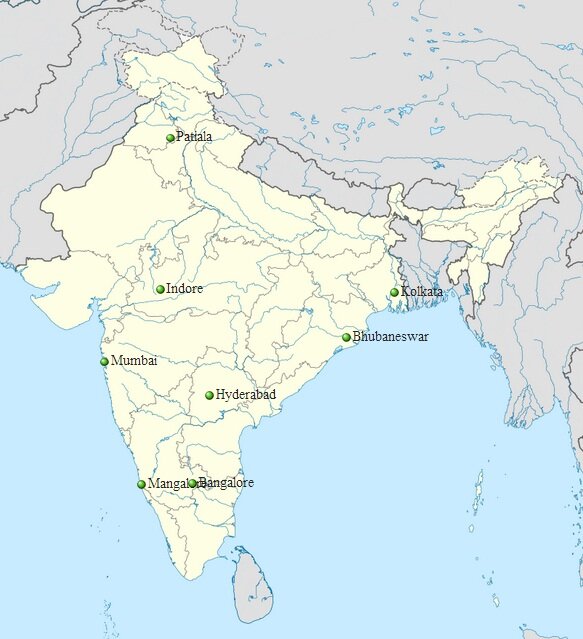
As the state capital, Lucknow serves as the administrative hub for over 200 million people. It's the center of government, where laws are made and state-level decisions are carried out. This political importance has shaped the city's modern identity, but its true character is rooted much deeper in its past.
A Cultural Legacy
Lucknow is often called the "City of Nawabs," a nod to its history as the capital of the Nawabs of Awadh in the 18th and 19th centuries. During their rule, the city blossomed into a major center for art, music, dance, and literature. This era fostered a culture of refined etiquette and a unique culinary tradition that still thrives today.
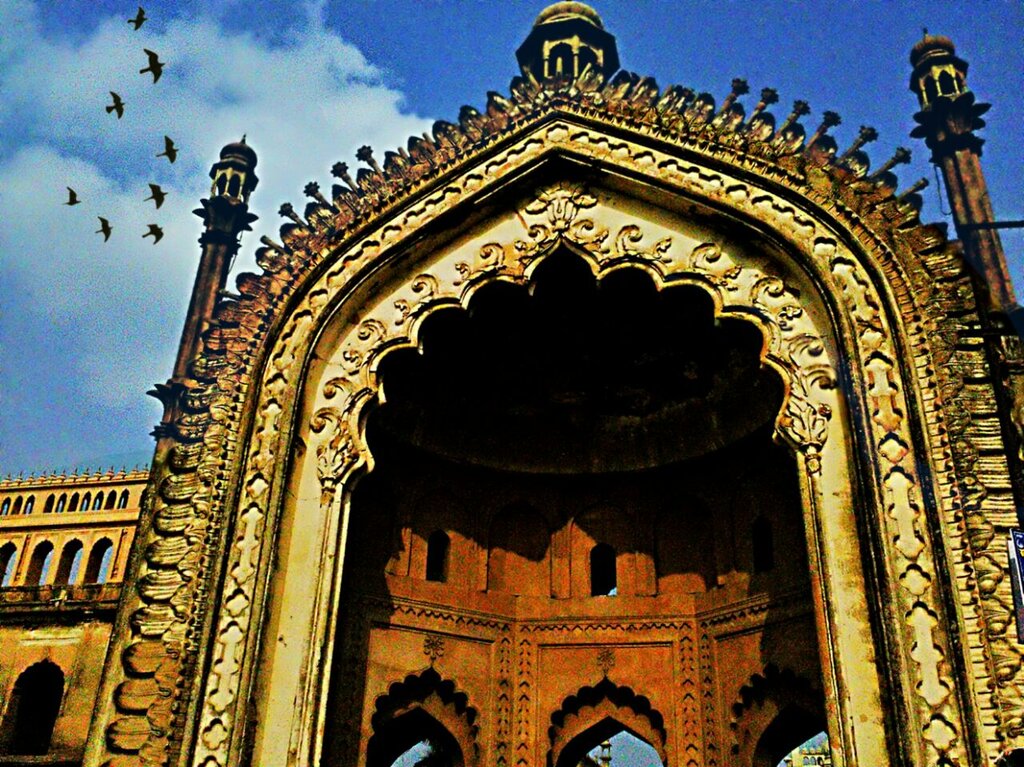
The legacy of the Nawabs is not just a memory; it's etched into the city's architecture. Grand monuments, sprawling gardens, and intricate gateways tell the story of a bygone era of opulence and artistic patronage. This rich history makes Lucknow more than just a political capital; it is a living museum of North Indian culture.
This blend of administrative importance and deep cultural roots gives Lucknow a unique flavor. It is a city where the past and present coexist, offering a window into the rich tapestry of Indian history.