Discovering Japan
Geography
An Island Nation
Japan is an archipelago, a chain of islands, located off the eastern coast of the Asian mainland. It consists of thousands of islands, but four main ones make up most of the country. From north to south, they are Hokkaido, Honshu, Shikoku, and Kyushu. Honshu is the largest and most populous, home to major cities like Tokyo and Osaka.
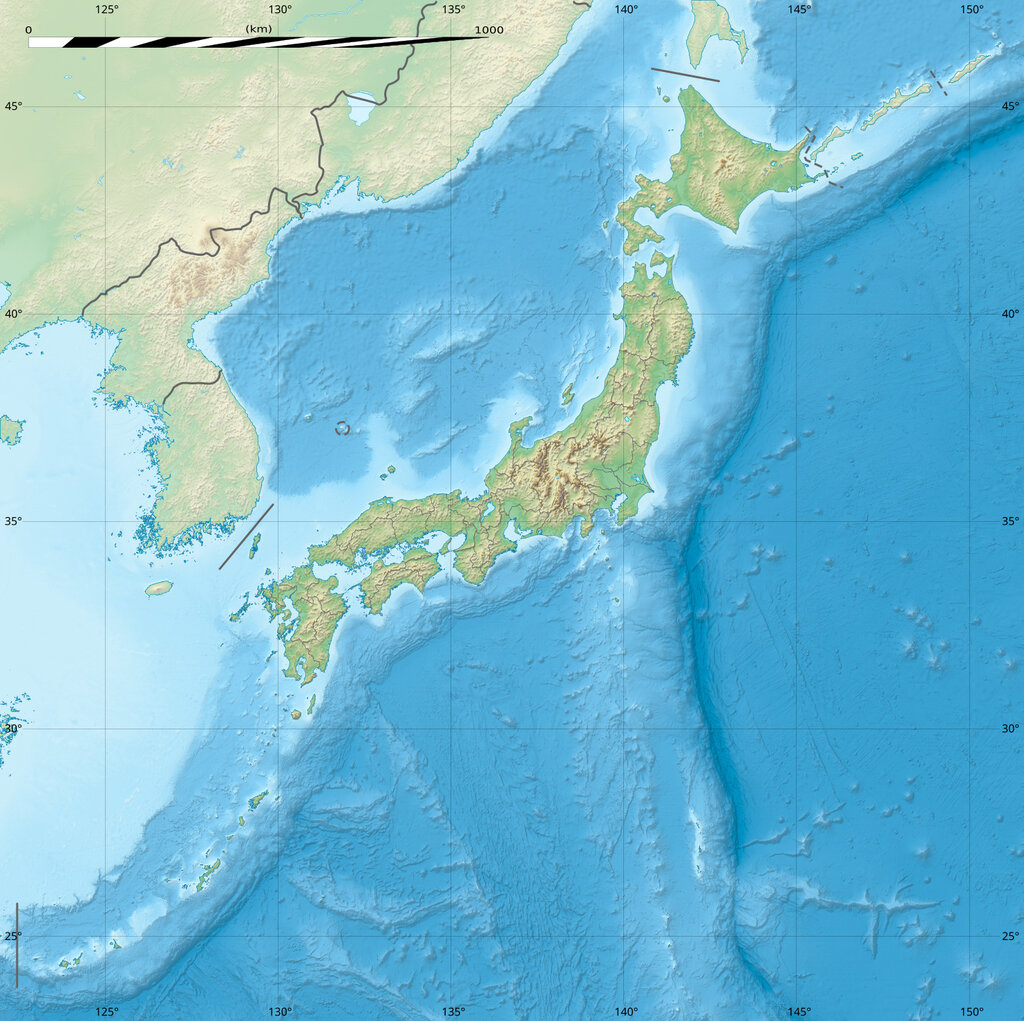
This island geography has been a defining feature throughout Japan's history. Surrounded by the sea, the nation was relatively isolated for long periods, allowing a unique culture to develop. The sea also acts as a vital highway for transportation and a crucial source of food.
A Mountainous Land
Roughly three-quarters of Japan is mountainous. The Japanese Alps, a series of mountain ranges, run down the center of the main island, Honshu. This rugged terrain has a major impact on life in Japan. With so much of the land being steep and unsuitable for farming or building, the population is heavily concentrated in the flat coastal plains and basins.
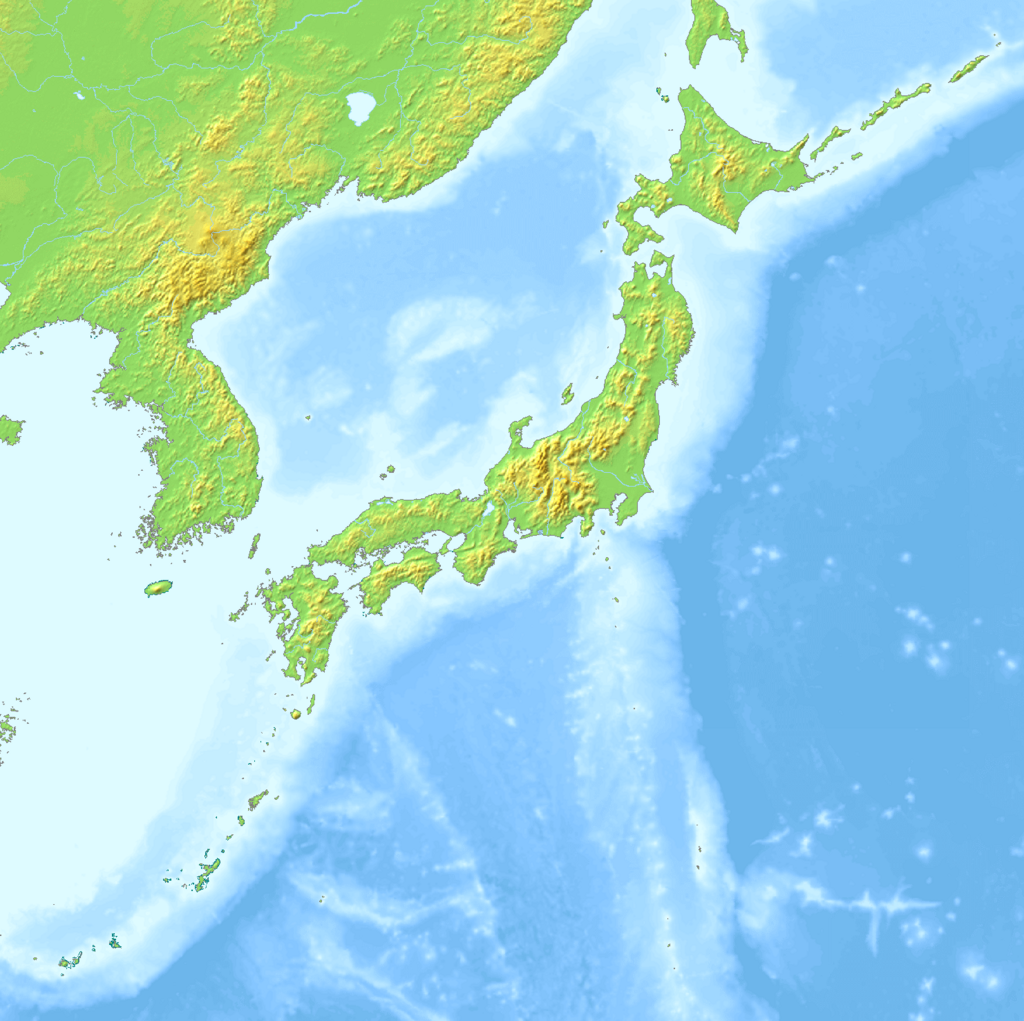
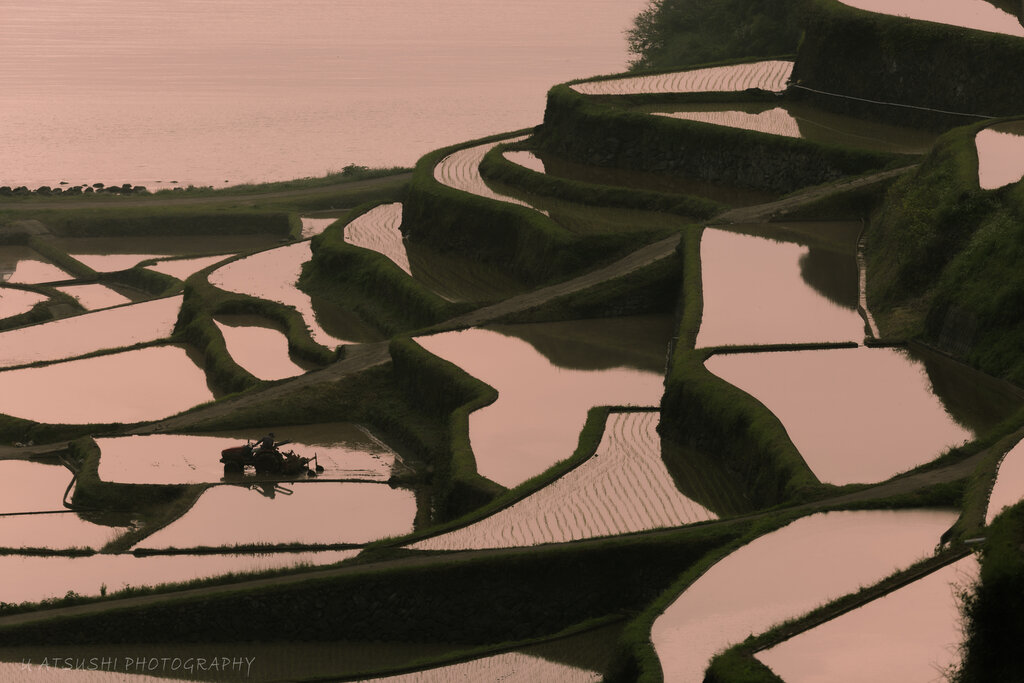
This population density in specific areas, like the Kanto Plain around Tokyo, is a direct result of the country's topography. People live where the land allows. To adapt, Japanese farmers developed ingenious techniques like terrace farming to cultivate rice on hillsides.
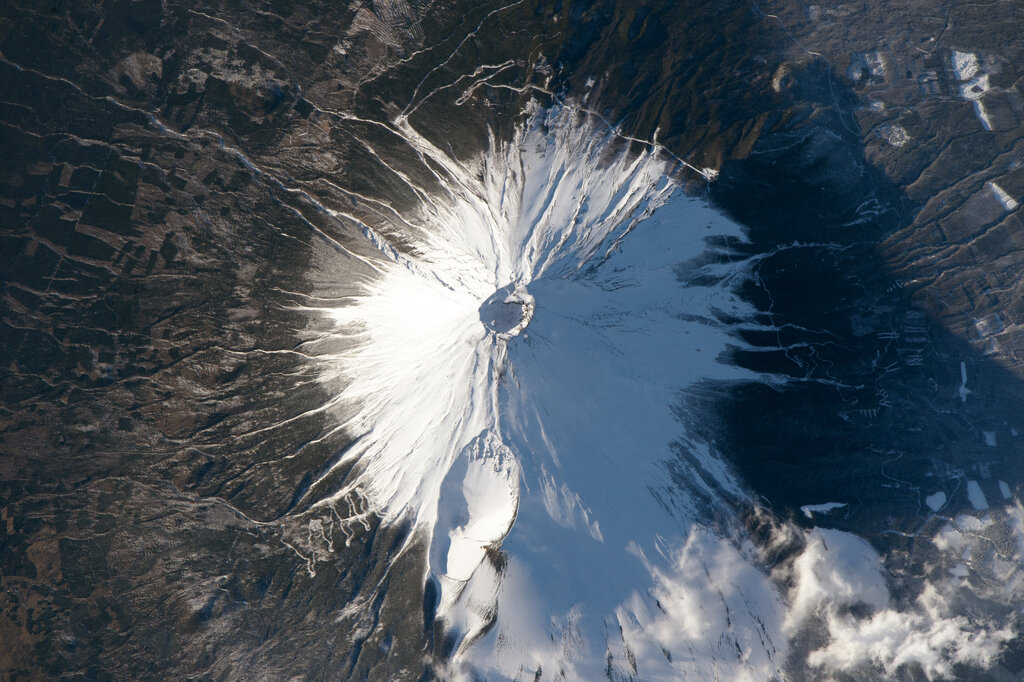
The most iconic of Japan's mountains is Mount Fuji, an active volcano that has become a symbol of the nation itself. Its nearly perfect cone rises dramatically from the surrounding landscape.
Living with Earth's Power
Japan's location is geologically dramatic. It sits on the Pacific Ring of Fire, an area where several continental and oceanic tectonic plates grind against each other. This makes the country one of the most seismically active places in the world.
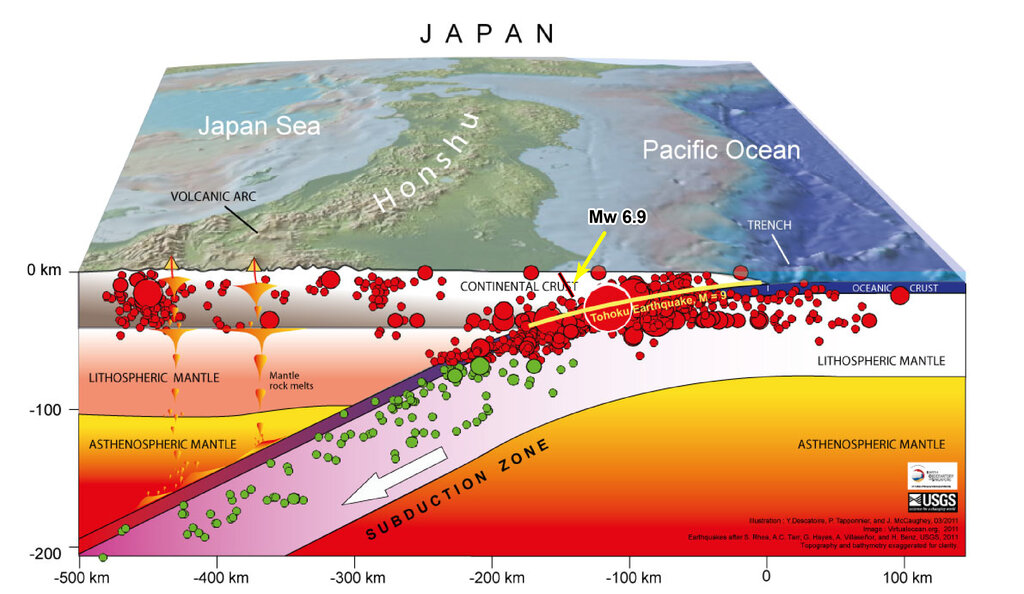
Earthquakes are a constant reality for people in Japan. The country experiences countless tremors each year, most of them minor. However, major earthquakes can and do occur, sometimes triggering devastating tsunamis—giant sea waves—when they happen offshore.
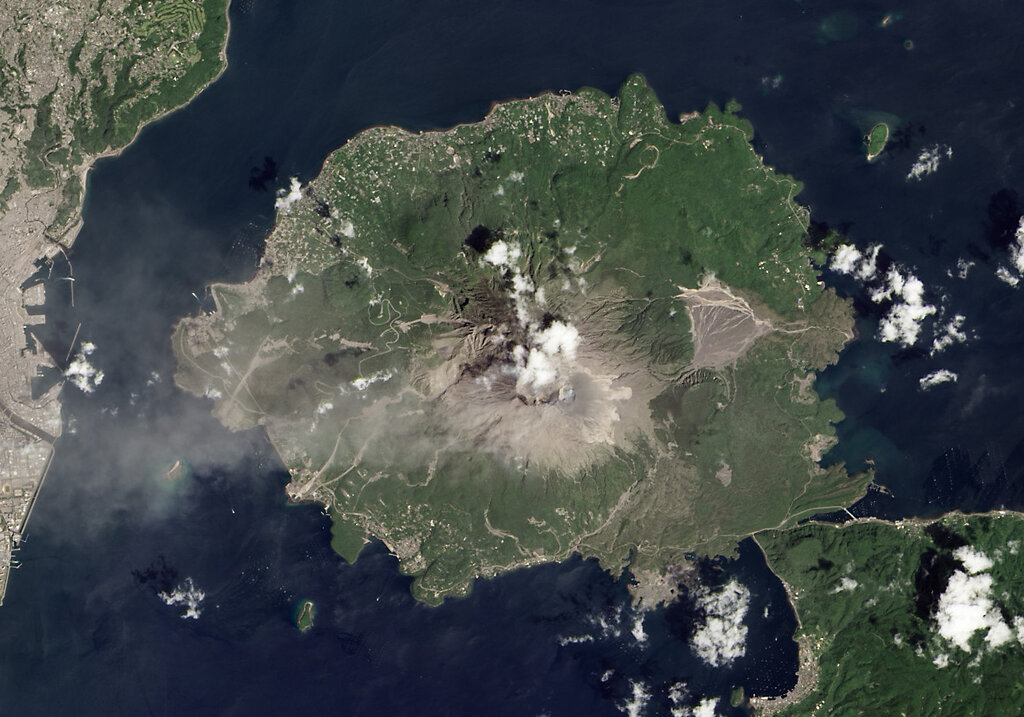
Volcanic activity is also common. There are over 100 active volcanoes across the archipelago. While these eruptions can be destructive, they also create fertile soil and scenic hot springs, known as onsen, which are an important part of Japanese culture.
Climate and Resources
Because it stretches over 3,000 kilometers from north to south, Japan has a varied climate. The northern island of Hokkaido has long, cold winters with heavy snowfall, making it a popular destination for skiing. In contrast, the southern islands, like Okinawa, are subtropical, with warm weather year-round.
When it comes to natural resources, Japan's geology presents challenges. The country has very few deposits of fossil fuels, iron ore, and other key minerals needed for its massive industrial economy. As a result, Japan is heavily reliant on importing raw materials from other countries.
However, the land is not without its riches. Forests cover over two-thirds of the country, providing timber. And most importantly, the surrounding seas provide one of the world's most productive fisheries. The ocean has always been a primary source of sustenance for the Japanese people.
What are the four main islands of Japan, listed in order from north to south?
What is the primary reason why Japan's population is heavily concentrated in its coastal plains?
Japan's geography, from its island nature to its turbulent geology, has profoundly shaped its people, culture, and place in the world.